
Beautiful Plants For Your Interior
Beautiful Plants For Your Interior
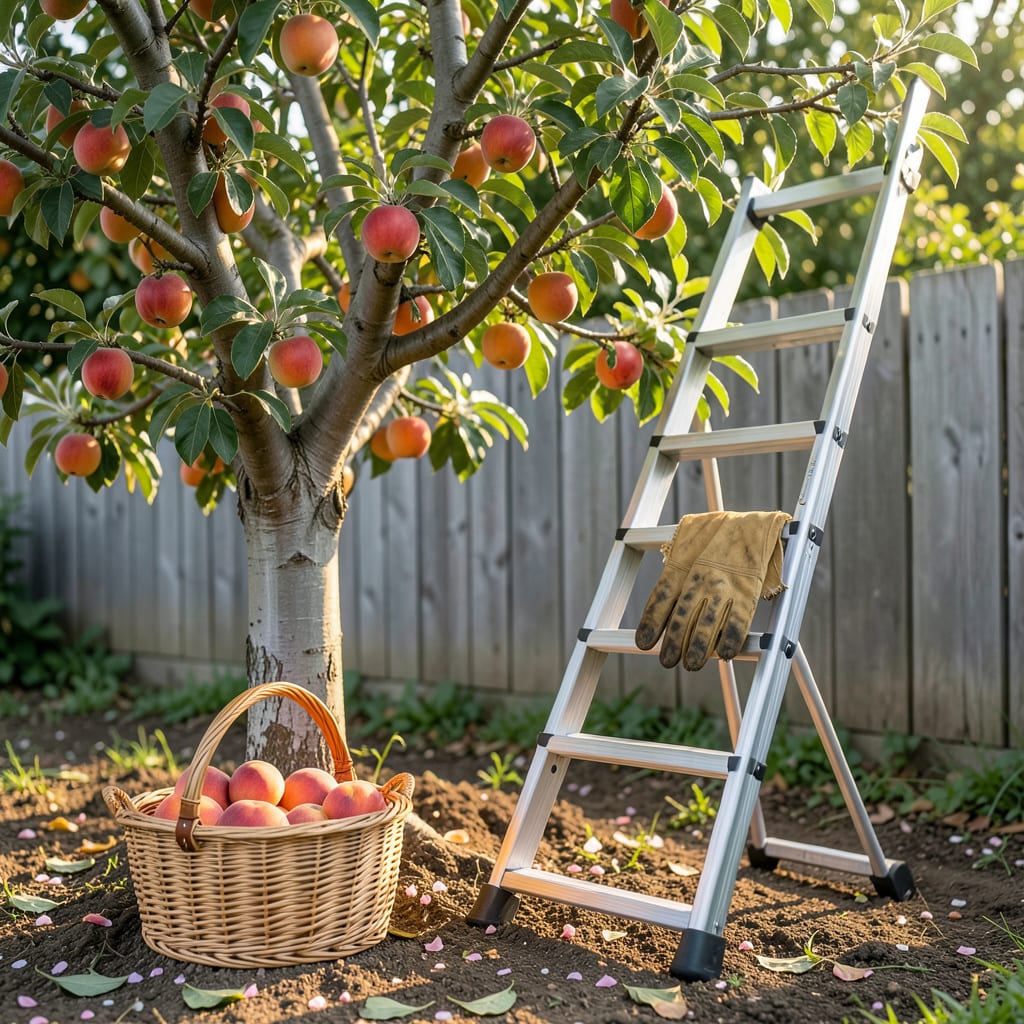
There’s nothing quite like biting into a perfectly ripe nectarine—juicy, sweet, and bursting with flavor. But get the timing wrong, and you’re stuck with fruit that’s either rock-hard or mushy beyond salvation.
If you’ve ever stood under your 🍑 nectarine tree wondering, “Is it ready yet?”—you’re not alone. I’ll show you the foolproof signs to look for, so you’ll never second-guess that golden moment again. Let’s make this your sweetest harvest yet.


Standing under your 🍑 nectarine tree, wondering if those golden orbs are ready? I’ve been there—picking too early leaves you with tart disappointment, while waiting too long means mushy fruit. The secret lies in three key signals: color, texture, and aroma. Let’s break them down.
First, forget the calendar—your tree knows best. While most nectarines ripen 120-150 days after bloom, climate and variety play huge roles. A sunny, hot summer can speed things up by weeks, while cooler zones might delay ripening. Always trust the fruit over dates.
| Ripeness Sign | What to Look For | Action Needed |
|---|---|---|
| Skin Color 🟡 | Deep golden-yellow or red blush (depends on variety). No green patches near stem. | Check other signs—color alone isn’t enough! |
| Firmness ✅ | Slight give when pressed near stem (like a ripe avocado). Not rock-hard or squishy. | Gently squeeze—if it bounces back slowly, it’s ready. |
| Aroma 🔊 | Sweet, floral scent at the stem end. No smell? Not ripe yet. | Sniff the stem—if it smells like nectar, pick it! |
| Stem Test 🪴 | Fruit easily twists off with a gentle lift-and-turn. No yanking needed. | If it resists, wait 1-2 more days. |
Here’s a mistake I see often: picking based on color alone. Some nectarines (like ‘Fantasia’) stay greenish even when ripe, while others (like ‘Red Gold’) blush deep red. Always combine color with firmness and aroma for the best results.
Timing varies by variety too. Early-season nectarines (e.g., ‘Spring Bright’) ripen in late June, while late-season types (e.g., ‘Late Red’) might not be ready until August. Check your tree’s tag or ask your nursery for specifics.
Pro tip: Harvest in the morning when temperatures are cool. Nectarines picked in afternoon heat can soften too quickly, leading to bruising. Use sharp pruners or scissors to avoid tearing the stem, which invites pests.
If you’re still unsure, try the “taste test”: Pick one nectarine and sample it. Underripe? Wait 2-3 days. Perfect? Harvest the rest! Remember, nectarines won’t ripen further once picked—they’ll only soften.
Once harvested, store nectarines at room temperature to soften (if needed) or refrigerate for up to 5 days. For longer storage, slice and freeze for smoothies. Now, go enjoy that sun-ripened sweetness—you’ve earned it! 🌳
Still struggling? Keep a harvest journal each year. Note dates, weather, and ripeness signs. Over time, you’ll nail the timing like a pro. And if all else fails, ask a local master gardener—they’ve seen it all!
Ever wondered why some nectarines ripen faster than others? It’s all about understanding the four key stages—from hard green orbs to sun-kissed sweetness. I’ll walk you through each phase, so you’ll know exactly what to expect and when to act.
Climate plays a huge role too. In warmer zones (USDA 7-9), your nectarines might race through these stages in just 120 days, while cooler areas could stretch it to 150 days. Keep an eye on the calendar, but trust the fruit’s cues more.
Hard, green skin with no give. Not ready! 🟢
Skin shifts to yellow/orange. Check daily! 🟡
Sweet aroma, slight softness. Pick now! ✅
Mushy texture, fermented smell. Compost time. 🗑️
Here’s a pro tip: Nectarines don’t ripen evenly. You might see one branch loaded with ready-to-pick fruit while others lag behind. This is normal! Harvest in waves, checking every 2-3 days once the first fruits start ripening.
If you’re dealing with a heatwave, your nectarines might ripen 5-7 days faster than usual. Conversely, a cool spell can slow things down. I always jot down my harvest dates each year—it helps predict timing for next season.
Not sure if they’re ready? Do the “twist test”: Gently twist a nectarine. If it pops off with a slight tug, it’s ripe. If it resists, give it another day or two. And remember, color alone isn’t enough—always check firmness and aroma too.
Once picked, nectarines won’t get sweeter, but they’ll soften at room temperature. Store them stem-side down in a single layer to avoid bruising. Now, go enjoy that perfect, juicy bite—you’ve earned it! 🍑
Even the most experienced gardeners sometimes misjudge nectarine ripeness. If you’ve picked yours too soon, don’t panic—there are ways to salvage underripe fruit and still enjoy a sweet harvest. The key is acting fast and using the right techniques.
First, let’s tackle the too-early pick. Nectarines won’t ripen further once off the tree, but you can coax them into softening with a little ethylene gas trick. Place them in a paper bag with a banana or apple for 24-48 hours at room temperature.
For overripe nectarines, your best bet is to act immediately. If the fruit is just slightly soft, refrigerate to slow decay. But if it’s mushy or leaking juice, it’s time for compost or cooking. Overripe nectarines still shine in jams, sauces, or frozen purees.
Here’s a trick I swear by: Freeze overripe slices on a tray before bagging. This prevents them from turning into a frozen clump. Later, toss them into smoothies or blend into fruit leather. Even “ruined” nectarines can become something delicious with a little creativity.
Storage matters too. Ripe nectarines last 3-5 days in the fridge, while underripe ones soften best at room temperature. Avoid plastic bags—they trap moisture and speed up spoilage. Instead, use a mesh produce bag for airflow.
Finally, learn from the mistake! Next year, keep a harvest log with dates and ripeness notes. Over time, you’ll spot patterns and adjust your timing like a pro. And remember: even “failed” harvests teach us what to watch for next season. 🌱
Gently press near the stem—it should yield slightly like a ripe avocado. Also, sniff the stem end for a sweet, floral aroma. If it smells like nectar and gives a little, it’s ready!
Sun exposure and branch location play big roles. Fruits on sunny, outer branches often ripen first, while shaded ones lag behind. Check different areas of the tree every 2-3 days once ripening starts.
Place underripe nectarines in a paper bag with a banana or apple at room temperature. The ethylene gas will soften them in 24-48 hours. Just don’t expect them to get sweeter—only softer!
Pick in the early morning when temperatures are cool. Fruit harvested in afternoon heat softens too quickly, leading to bruising. Use sharp pruners to avoid damaging the stem.
Ripe ones keep in the fridge for 3-5 days, while underripe can soften at room temp for 2-3 days. For longer storage, slice and freeze for smoothies—just lay flat first to prevent clumping!
