
Beautiful Plants For Your Interior
Beautiful Plants For Your Interior
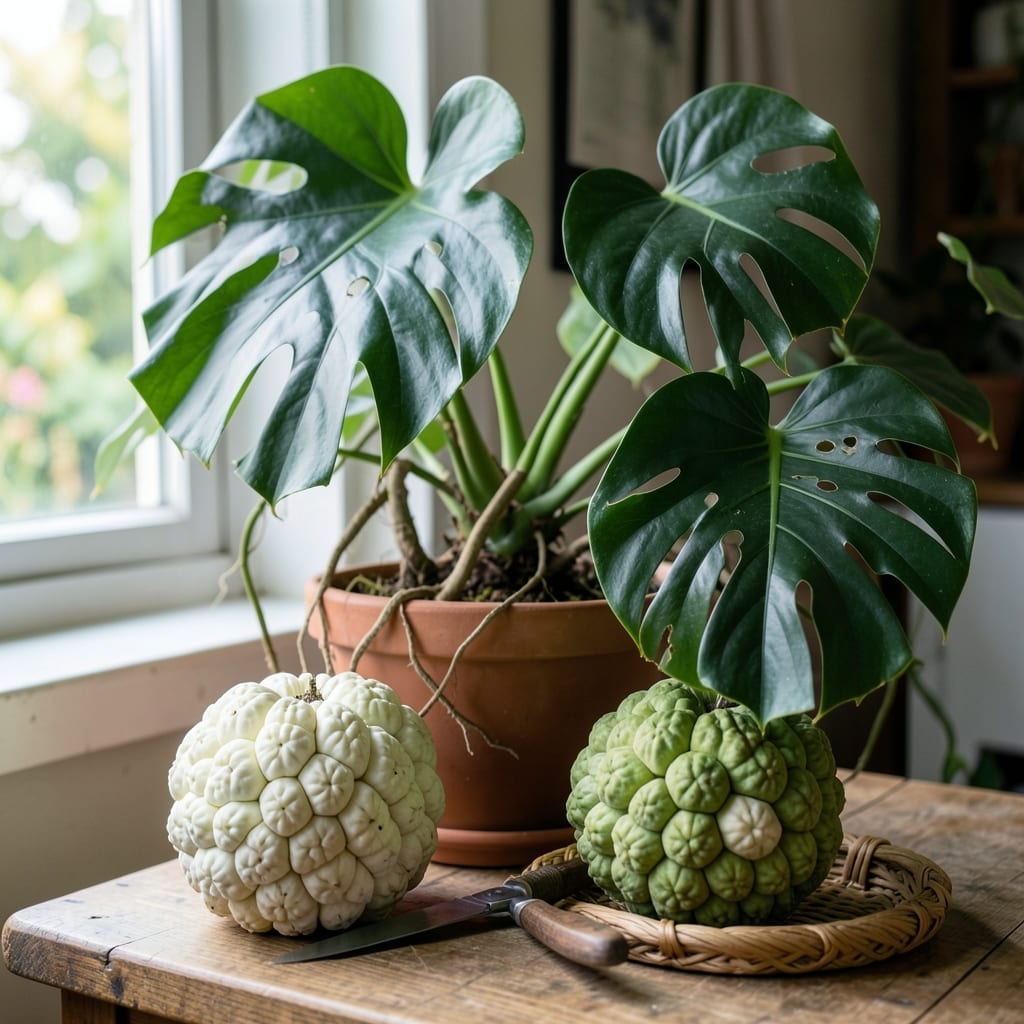
Knowing exactly when to pick monstera fruit can mean the difference between a sweet, tropical treat and an inedible disappointment. This exotic 🌿 fruit, also called Mexican breadfruit, requires precise timing.
I’ve learned that one wrong move with harvest timing can ruin the entire experience. The Monstera’s unique pineapple-banana flavor only shines when picked at peak ripeness.
Whether you’re growing in zones 10-12 or just curious about this tropical delicacy, understanding the signs is crucial. The transformation from green to yellowish-brown is your first major clue.
Let me walk you through the key indicators that signal your Monstera fruit is ready to be enjoyed. The difference between perfect and premature is often just a few days.


I’ve learned that monstera fruit doesn’t ripen like typical garden produce. This tropical gem, also called Mexican breadfruit, signals readiness through subtle but unmistakable changes. Watching for these signs ensures you harvest at peak flavor and avoid bitterness or overripeness.
The first clue is color transformation. As the fruit matures, its green scales shift to a yellowish-brown hue. This change is gradual, so I check daily once the process begins. The scales also start to separate naturally, which is a key indicator.
| Ripeness Sign | Description |
| Color Change | Green to yellowish-brown scales |
| Scale Separation | Scales loosen and fall off easily |
| Aroma | Strong, sweet pineapple-like scent |
| Texture | Slightly soft when gently pressed |
| Flesh Color | Creamy white beneath scales |
Next, I rely on scent. A ripe monstera fruit emits a strong, sweet aroma reminiscent of pineapple and banana. If there’s no smell or only a faint one, the fruit isn’t ready. This fragrance becomes more pronounced as the scales begin to open.
The tactile test is another reliable method. Gently press the fruit—it should feel slightly soft, similar to a ripe avocado. If it’s hard, it needs more time. If it’s mushy, it may be overripe, which can lead to fermentation and an off taste.
I also examine the flesh beneath the scales. When I lift a scale, the flesh should be creamy white. If it’s pale or greenish, the fruit is underripe. This visual check confirms what the color, scent, and texture already suggest.
Timing is everything with monstera fruit. In my experience, it’s better to wait an extra day or two than to pick too early. The scales falling off easily is the final confirmation. If I have to tug, the fruit isn’t ready. Patience pays off with a sweet, aromatic reward.
For those in tropical climates, monstera fruit can ripen year-round. However, in subtropical zones, the best harvest window is late summer to early fall. I’ve noticed that consistent warmth and humidity speed up maturation, so I adjust my checks accordingly.
If you’re growing monstera deliciosa indoors, ensure it gets enough bright, indirect light and humidity. These conditions mimic its natural habitat and help the fruit develop properly. Without them, the fruit may never reach full ripeness.
Avoid harvesting during cool or dry spells, as these can stall ripening. I’ve made the mistake of picking fruit too early in cooler months, only to find it bland and starchy. Now, I wait for the perfect combination of signs and conditions.
With practice, you’ll recognize the ideal harvest moment instinctively. The fruit practically tells you it’s ready, and the reward—a tropical, custard-like treat—is worth the wait 🌿
Timing your monstera fruit harvest right is key to unlocking its tropical sweetness. In its native tropical climates, this fruit can ripen year-round, but the process speeds up in warmer months with consistent humidity.
The ideal harvest window depends on your growing zone. For USDA zones 10-12, where monstera thrives, expect fruit to mature faster in summer heat compared to cooler seasons.
I’ve found that temperature fluctuations can delay ripening. If nights drop below 60°F, the process may slow significantly, requiring extra patience from growers in marginal climates.
For those in less tropical regions, consider growing monstera in containers that can be moved indoors when temperatures dip. This ensures your fruit gets the consistent warmth it needs to develop properly.
Watch for scale separation as your primary indicator, but remember that seasonal conditions affect the timeline. A summer-grown fruit might be ready in 12-14 months, while a winter one could take 18-24 months.
In my experience, the most flavorful monstera fruits come from plants grown in full tropical conditions with minimal temperature swings. This stable environment allows the fruit to develop its complex pineapple-banana notes fully. 🌿