
Beautiful Plants For Your Interior
Beautiful Plants For Your Interior
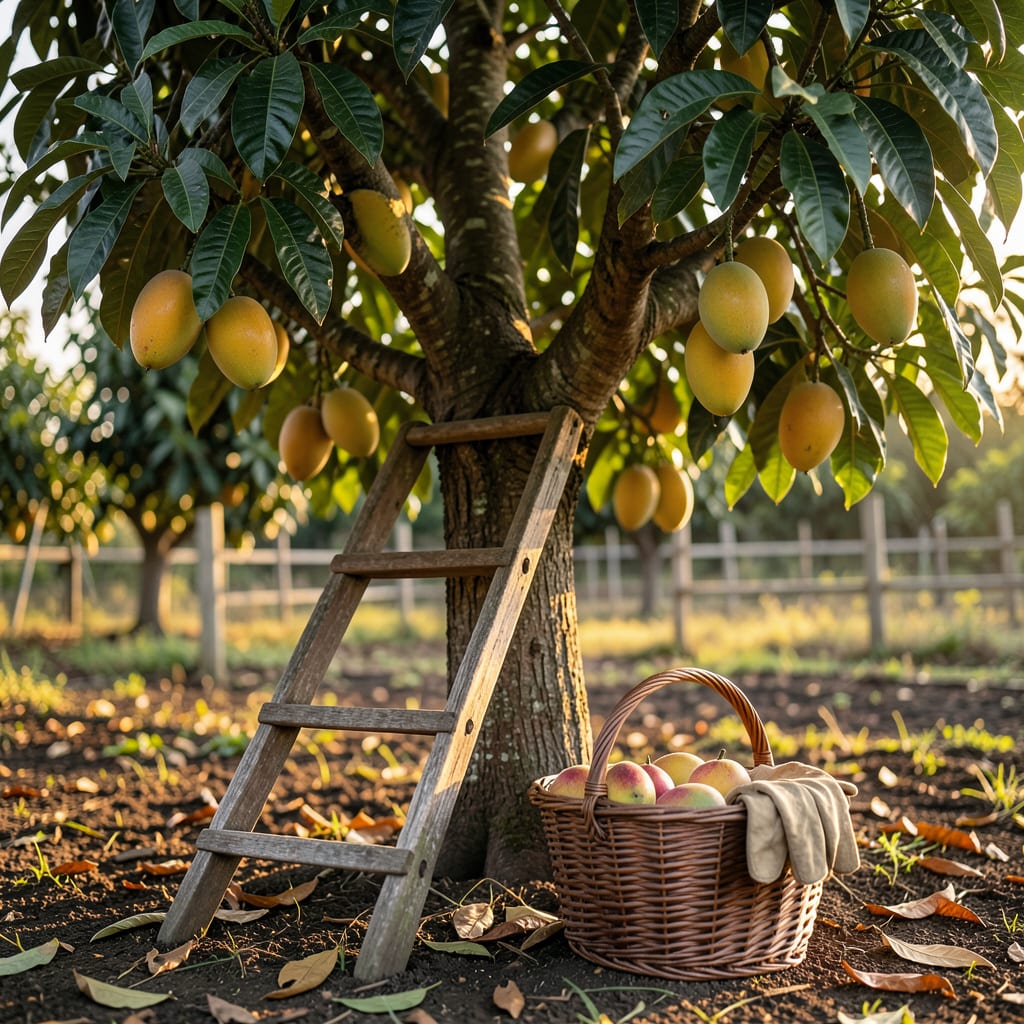
There’s nothing worse than cutting into a mango only to find it hard as a rock or overripe and mushy. That perfect moment between the two? That’s when the magic happens—when your 🥭 mangoes are so sweet and juicy they practically melt in your mouth.
But timing is everything. I’ll show you exactly how to spot the subtle signs of ripeness, from color changes to that telltale fragrance. Whether you’re growing them in Zone 6a or a tropical paradise, you’ll never second-guess your harvest again.


I’ve learned the hard way that not all mangoes ripen the same way. Some varieties like Tommy Atkins turn deep red when ready, while others like Kent stay mostly green with just a hint of yellow. The secret? Knowing your variety’s unique signals.
Let’s start with the basics: a ripe mango will often give off a sweet, fruity aroma near the stem. If you don’t smell anything, it’s not ready. But there’s more to it than just scent—color, texture, and even the way the fruit sits on the tree matter.
| Variety | Color When Ripe | Texture Test | Scent |
|---|---|---|---|
| Tommy Atkins | Deep red with green | Slight give near stem | Strong sweet aroma |
| Kent | Mostly green with yellow blush | Softens at shoulder | Tropical, floral notes |
| Ataulfo | Golden yellow | Very soft when ripe | Buttery, rich fragrance |
| Keitt | Dark green with pink blush | Firm but yields slightly | Mild, sweet scent |
For Haden mangoes, watch for a color shift from green to yellow with red blushing. These beauties often develop a slightly wrinkled skin when fully ripe. I always check the stem area—if it’s starting to flatten where it connects to the fruit, that’s your cue.
The squeeze test works for most varieties: gently press the fruit near the stem. If it gives slightly like a ripe peach, it’s ready. But be careful—mangoes bruise easily! For Ataulfo mangoes, they should feel almost too soft when perfectly ripe.
Here’s a pro tip: size matters. Most mango varieties reach their full size about 3-4 weeks before ripening. If your mangoes have stopped growing but are still hard, they’re in the final ripening stage. This is when I start checking them daily.
Don’t forget about the stem test! When mangoes are truly ripe, the stem often develops a slight wrinkled appearance where it meets the fruit. Some varieties even start to ooze a little sap—this is nature’s way of saying “pick me now!”
For those growing in cooler climates (like Zone 6a), your mangoes might need an extra week or two on the tree. I’ve found that container-grown mangoes often ripen faster than those in the ground, so adjust your expectations based on your growing conditions.
Remember, once picked, mangoes won’t get any sweeter—they’ll only soften. That’s why it’s crucial to let them ripen fully on the tree. If you must pick early (say, because of an impending storm), place them in a paper bag with a banana to speed up ripening.
Finally, trust your senses! A perfectly ripe mango will have a heavy, dense feel in your hand, a vibrant color (for its variety), and that unmistakable sweet aroma. When in doubt, pick one test fruit and taste it—your taste buds won’t lie! 🥭
Timing your mango harvest depends heavily on where you live. In Florida and Hawaii, mango season typically kicks off in May and runs through September, while California growers often see ripe fruit from June to August. Your local climate plays a huge role!
For those in Zone 6a growing container mangoes, expect a shorter window—usually July through early September. The key is watching your tree’s flowering time, as mangoes typically take 100-150 days from bloom to harvest. I always mark my calendar when I see flowers!
Early-season varieties like Carrie or Ice Cream often ripen in May–June, while late-season types like Keitt may not be ready until August–September. I’ve found that Tommy Atkins mangoes in my garden consistently ripen in mid-July.
Microclimates matter too! A south-facing wall can speed up ripening by 1-2 weeks, while shaded areas might delay it. If you’re growing in containers, remember that potted mangoes often ripen 2-3 weeks earlier than their in-ground counterparts due to warmer root zones.
Unexpected weather can throw off your timing. A late spring frost might delay flowering, while a heatwave can accelerate ripening. I always keep an eye on the 10-day forecast when my mangoes are nearing harvest time. If a storm is coming, I’ll pick slightly early to prevent wind damage.
Here’s a quick trick: Most mango varieties reach full size about 3-4 weeks before ripening. Once your mangoes stop growing but are still hard, start checking them daily. The final ripening stage happens fast—sometimes in just 3-5 days! 🌡️
For those in cooler climates, don’t be discouraged if your harvest window is shorter. I’ve successfully grown dwarf mango varieties in Zone 6a by using black mulch to warm the soil and moving containers to sunny patios. The reward of homegrown mangoes is worth the extra effort!
Timing your mango harvest is a delicate balance. Pick too soon, and you’ll end up with starchy, flavorless fruit that never reaches its full sweetness. Wait too long, and you risk fermentation or fruit that’s mushy before you can enjoy it.
I’ve made both mistakes in my garden, and let me tell you—there’s nothing more disappointing than cutting into a mango that’s either hard as a rock or overripe and fermenting. The good news? There are ways to salvage both scenarios if you act quickly.
Fix: Place in paper bag with banana for 2-3 days
Fix: Use immediately in smoothies or freeze for later
When mangoes are picked too early, they’ll often develop a grainy texture and lack the complex sweetness that makes mangoes so special. I once picked a batch of Kent mangoes a week too soon, and even after ripening indoors, they never developed that rich, tropical flavor.
On the other hand, overripe mangoes become overly soft and can develop an unpleasant, almost alcoholic taste as they begin to ferment. I learned this the hard way when a heatwave caused my Ataulfo mangoes to ripen all at once—what I didn’t pick immediately turned to mush within days.
Here’s what I do now: If I accidentally pick mangoes early, I place them in a paper bag with an apple or banana to speed up ripening. The ethylene gas from these fruits helps soften the mangoes. For overripe ones, I immediately peel and freeze the flesh in portions for smoothies or sauces.
Remember, mangoes picked at the perfect time will have a firm but yielding texture, a sweet aroma, and will last 5-7 days at room temperature. When in doubt, it’s better to wait an extra day than to pick too soon—the difference in flavor is dramatic! 🌡️
Look for color changes specific to your variety—yellow, red, or orange hues developing. Gently squeeze near the stem: a slight give (like a peach) means it’s ready. The sweet aroma near the stem is the most reliable sign.
Pick in the early morning when temperatures are cooler. This helps preserve flavor and reduces stress on the tree. Avoid harvesting during peak afternoon heat, which can cause fruit to spoil faster.
Yes! Place underripe mangoes in a paper bag with a banana or apple at room temperature. The ethylene gas will speed ripening. Check daily—they’ll be ready in 2-5 days.
Varieties like Kent and Keitt often remain mostly green when ripe. Focus on scent and texture instead of color. A sweet fragrance and slight softness near the stem are better indicators.
Ripe mangoes last 5-7 days at room temperature or 10-14 days refrigerated. For longer storage, peel and freeze the flesh in airtight containers for up to 6 months.
