
Beautiful Plants For Your Interior
Beautiful Plants For Your Interior
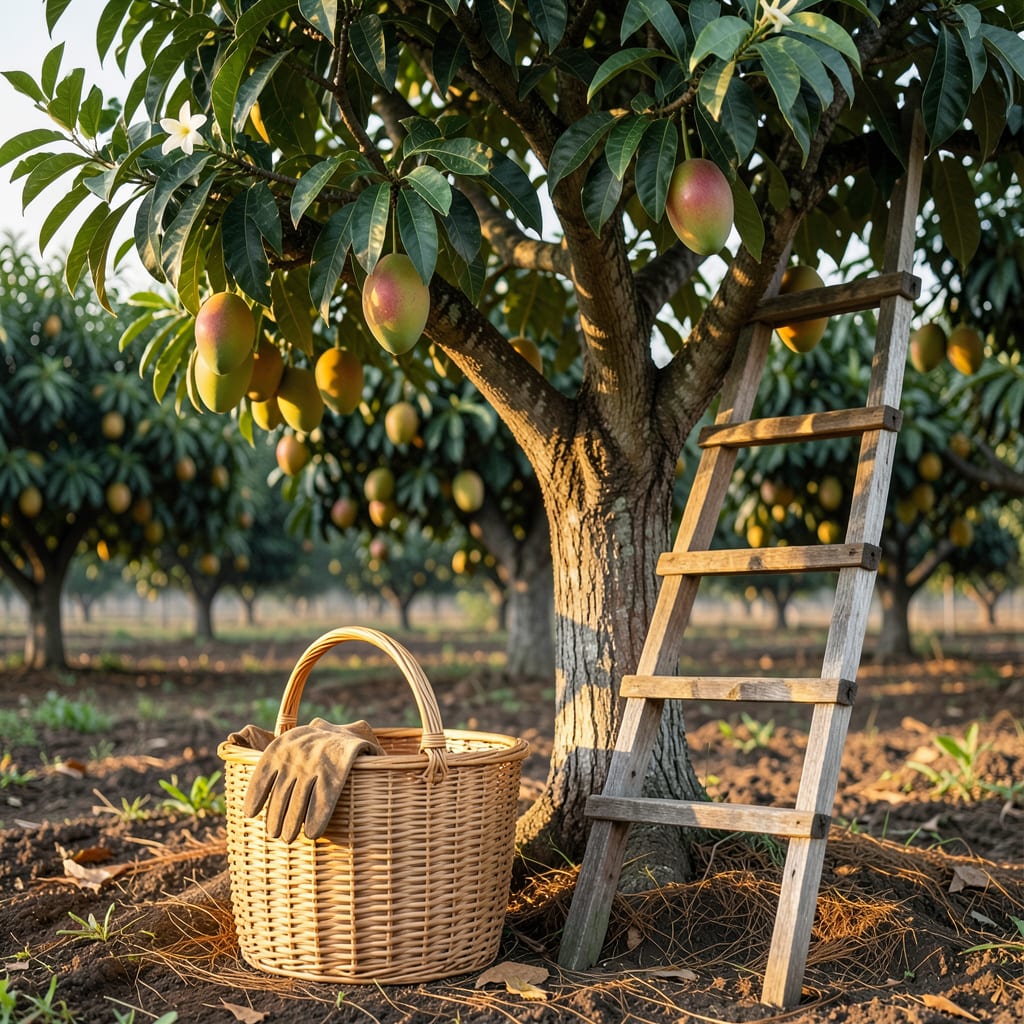
There’s nothing quite like biting into a perfectly ripe Florida mango—juicy, sweet, and bursting with tropical flavor. But here’s the catch: that ideal taste depends entirely on when you pluck it from the tree. One day too early or too late, and you might miss that magical window.
I’ve seen too many growers in Zone 10b guess wrong and end up with fibrous or overripe fruit. The good news? Your 🥭 mangoes will tell you exactly when they’re ready—if you know the right signs to look for. Let me show you how to time it just right this season.


If you’ve ever tasted a store-bought mango and wondered why it can’t compare to your neighbor’s backyard tree, the secret is all in the harvest timing. In Florida’s Zone 10b, our unique humidity and heat create perfect conditions—but only if you pick at the right moment.
Unlike other fruits, mangoes won’t ripen properly once removed from the tree if picked too early. I’ve learned the hard way that visual cues matter more than calendar dates here. The fruit itself will tell you when it’s ready—you just need to know what to look for.
The color change is often the first sign I watch for. While some varieties like Tommy Atkins develop a red blush, most Florida mangoes shift from deep green to yellow-orange as they ripen. But don’t rely on color alone—our humid climate can sometimes mask this change.
Next, perform the gentle squeeze test. Place your thumb near the stem and apply light pressure. A ripe mango will yield slightly, similar to a peach at peak ripeness. If it feels like you’re pressing a baseball, leave it for another week.
The aroma test is my favorite indicator. Bring the fruit close to your nose—if you detect that sweet, tropical fragrance, it’s ready. No smell means it needs more time on the tree. Florida’s heat accelerates this process, so check daily once color starts changing.
For the final confirmation, try the stem twist test. Gently grasp the fruit and twist upward. If it releases with minimal effort, you’ve hit the sweet spot. If you’re wrestling with the tree, walk away and check again in 2-3 days.
Remember that variety matters in Florida. Early-season types like ‘Carrie’ may show these signs in May-June, while late varieties like ‘Keitt’ often wait until August-September. Always test a sample fruit first before harvesting your entire crop.
One pro tip I swear by: pick before rain. Florida’s afternoon showers can cause ripe mangoes to split. If the forecast calls for storms, harvest any fruit showing early ripeness signs—it’ll continue ripening beautifully on your counter.
And don’t worry if some fruit falls naturally—our sandy soil and breezes mean this happens. Just gather fallen mangoes immediately and let them ripen indoors. They’ll still be delicious, though you’ll want to use them quickly.
By combining these visual, tactile, and aromatic cues, you’ll consistently harvest mangoes at their peak sweetness. The difference between an “almost ripe” and “perfectly ripe” Florida mango is like comparing sunshine to a summer storm—both powerful, but one is just right. 🌳
Florida’s long growing season means mango harvests stretch from late spring through early fall, but timing varies dramatically by variety. In South Florida (Miami-Dade, Monroe County), you’ll often harvest 2-3 weeks earlier than Central Florida growers due to our warmer microclimate.
I’ve found that early-season varieties like ‘Carrie’ and ‘Ice Cream’ typically ripen in May-June, while mid-season types such as ‘Haden’ and ‘Tommy Atkins’ peak in June-July. The late-season champions like ‘Keitt’ and ‘Kent’ often wait until August-September to show their best flavors.
Our humidity levels can accelerate ripening, so I always start checking early varieties in late April if we’ve had particularly warm springs. The ‘Ice Cream’ variety often surprises me by being ready before Memorial Day in my Zone 10b Homestead garden.
For Central Florida growers (Orlando, Tampa areas), add about 10-14 days to these windows. Your slightly cooler nights slow the process. I’ve seen ‘Tommy Atkins’ trees in Polk County still producing ripe fruit in early October during mild falls.
The rainy season (June-September) creates special challenges. I always harvest just before predicted storms to prevent fruit split. A good rule: if you see dark clouds building, check your trees that afternoon. Mangoes can go from perfect to overripe in 24 hours during summer downpours.
Remember that tree age affects timing too. Younger trees (under 5 years) often produce fruit 2-3 weeks later than mature specimens. My 3-year-old ‘Julie’ mango didn’t bear usable fruit until late July, while my neighbor’s 10-year-old tree was done by Independence Day.
For the most accurate timing, I recommend keeping a harvest journal. Note when each variety shows its first color change and when you pick the first ripe fruit. After 2-3 seasons, you’ll have a customized calendar perfectly tuned to your microclimate and specific trees. 🌳
After years of growing mangoes in Florida’s Zone 10b, I’ve seen even experienced gardeners make critical errors that ruin their harvest. The biggest mistake? Picking too early—those rock-hard mangoes might look ready but will never develop proper sweetness off the tree.
Another common blunder is waiting for fruit to fall. While some varieties naturally drop when ripe, Florida’s humidity and storms often cause overripe mangoes to split or rot before they detach. Don’t let perfect fruit become squirrel food!
Picking green mangoes that show slight color change but aren’t truly ripe. These will stay fibrous and tart no matter how long they sit on your counter.
Ignoring rain forecasts—ripe mangoes can split overnight during summer storms. Always harvest before predicted downpours in June-September.
Yanking fruit from branches damages both mango and tree. Always use the gentle twist-and-lift method to preserve next year’s crop.
The “it’s-not-quite-ripe-yet” trap catches many first-time growers. I remember my first season watching my ‘Haden’ mangoes turn slightly yellow in May and harvesting them all—only to bite into disappointing, stringy fruit. Now I wait until they pass the aroma test and twist off easily.
Florida’s afternoon thunderstorms create another challenge. I lost half my ‘Keitt’ crop one August when I didn’t check the forecast. The next day, split mangoes littered the ground. Now I use the 50% rule: when half my fruit shows ripeness signs, I harvest everything vulnerable before storms hit.
Proper picking technique matters too. Never pull downward—this can tear bark and create entry points for disease. Instead, cup the fruit in your palm, give it a quarter-turn upward, and lift. If it resists, it’s not ready. For high branches, use a fruit picker with a soft basket to avoid bruising.
Remember that variety affects timing. My ‘Carrie’ mangoes are always ready before my ‘Tommy Atkins’, even though they’re on the same tree. Keep variety tags from your nursery and note harvest dates each year to build your personal Florida mango calendar. 🌳
Yes, but only if they’ve begun the ripening process on the tree. Mangoes picked when still completely green won’t ripen properly off the tree. Look for the first signs of color change before harvesting for best results.
Store unripe mangoes at room temperature until they soften. Once ripe, refrigerate in a paper bag for up to 5 days. For longer storage, peel and freeze the flesh in airtight containers for up to 6 months.
This often happens due to overwatering, nutrient deficiencies, or pest damage. Florida’s summer storms can also cause premature drop. Check your watering schedule and inspect for pests if this occurs frequently.
Green mangoes are perfect for chutneys, salads, or pickling. Harvest when fully grown but still firm. They’ll have a tart, crisp texture ideal for savory dishes—just don’t expect them to sweeten like ripe fruit.
Overripe mangoes develop dark spots, wrinkled skin, and may start fermenting. In Florida’s heat, they can progress from perfect to overripe in 24 hours. Check daily during peak season and harvest at the first signs of ripeness.
