
Beautiful Plants For Your Interior
Beautiful Plants For Your Interior
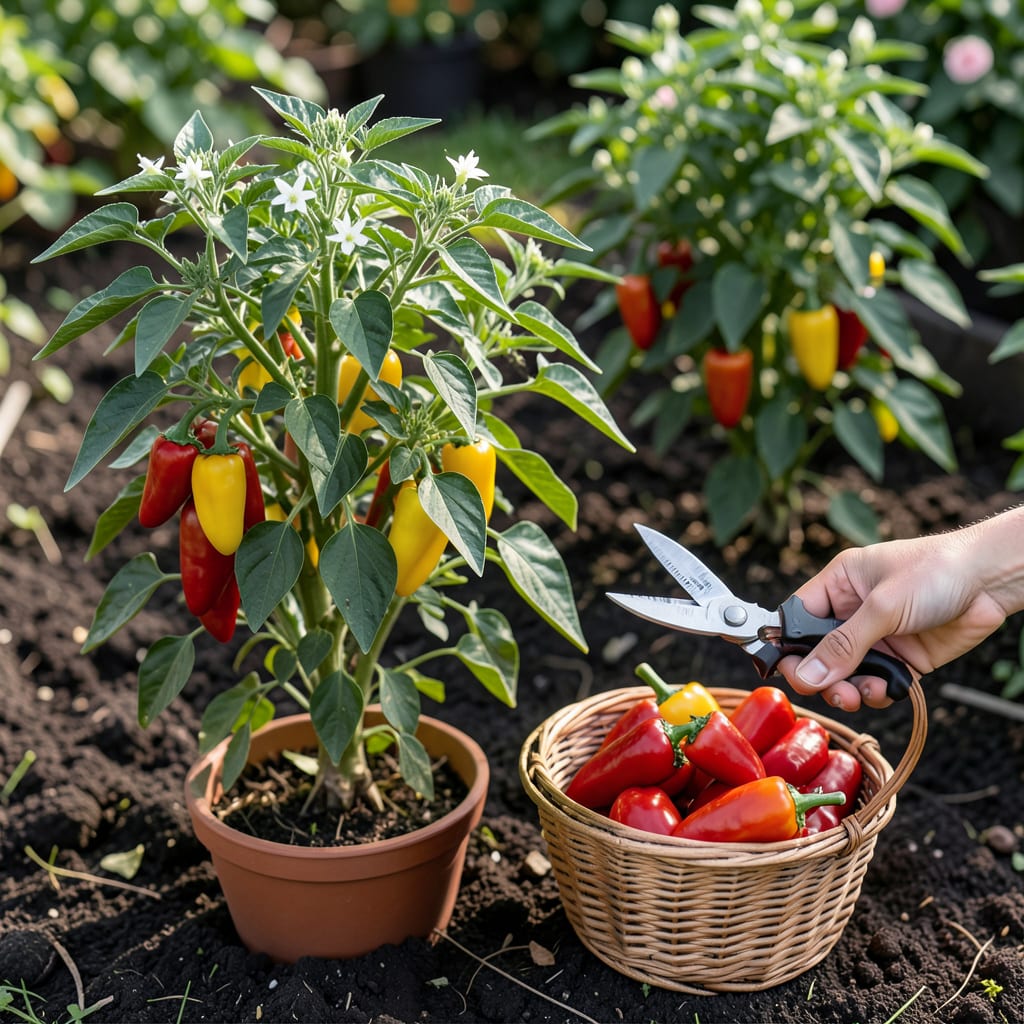
I love watching my 🌶️ Lunchbox Pepper plants transform from tiny blooms to vibrant, bite-sized treasures. Getting the harvest timing right ensures you’ll enjoy the sweetest flavor and crunchiest texture these little gems can offer.
From July through September, your plants will be loaded with peppers nearing perfection. I’ll show you the exact color and size clues that signal they’re ready to pick at their flavor peak.


I always get excited when my Lunchbox Pepper plants start showing those first colorful hints. These mini bell peppers are ready to pick when they display specific visual and tactile cues that I’ve learned to spot over the years.
Timing your harvest perfectly ensures the sweetest flavor and best texture. The key is watching for color changes, firm texture, and full size development as we move through the growing season.
| Harvest Sign | What to Look For |
|---|---|
| Color | Deep red, yellow, or orange (varies by type) |
| Size | 2-3 inches long and plump |
| Texture | Firm, glossy skin with no wrinkles |
| Stem | Green and healthy, not dried or brown |
First, check the color transformation. Most Lunchbox Peppers start green and gradually turn vibrant red, yellow, or orange as they ripen. I’ve found that full color saturation is the best indicator they’re ready.
The size is another clear signal. These peppers should reach about 2-3 inches long and feel plump when gently squeezed. If they’re still small or undersized, they need more time on the vine.
Next, examine the texture. A ripe pepper will have a firm, almost waxy skin that feels smooth to the touch. If the skin appears dull or wrinkled, it’s either not ready or past its prime.
The stem tells a story too. A healthy, green stem means the pepper is still actively growing. When it’s ready to harvest, the pepper should snap off easily with a gentle twist, leaving the stem intact on the plant.
I also pay attention to the time of year. In most zones, July through September is prime harvest time. These peppers typically mature in 60-80 days after planting, so tracking your planting date helps predict readiness.
Don’t rush the process. Picking too early results in bitter, underdeveloped peppers. But waiting too long can lead to over-ripening or splitting. I check my plants every 2-3 days once they start showing color to catch them at the perfect moment.
Remember, Lunchbox Peppers continue to ripen after picking, but they won’t develop their full sweetness off the vine. That’s why timing your harvest just right is so important for the best flavor.
I always use the right approach when harvesting my Lunchbox Peppers to keep plants healthy and productive. The key is being gentle and methodical to avoid stressing the plant or its remaining fruit.
Timing your harvest for dry morning conditions helps prevent disease spread. I’ve found that early morning is ideal because plants are well-hydrated and peppers snap off more cleanly.
I always use clean, sharp pruners or scissors rather than pulling peppers by hand. This prevents stem damage that could invite disease or pests to your plants.
When cutting, I leave about 1/2 inch of stem attached to the pepper. This small buffer helps protect the fruit and makes handling easier without harming the plant’s main structure.
It’s important to support the plant with one hand while harvesting with the other. This stabilizes the branches and prevents accidental snap-back that could break stems or dislodge other developing peppers.
I make it a habit to harvest regularly throughout the season. Removing mature peppers promptly encourages the plant to produce more, extending your harvest window well into early fall.
During peak production, I check my plants daily for ready peppers. This frequency ensures I don’t miss any at their perfect ripeness while also monitoring for potential pest or disease issues.
I always handle my freshly picked Lunchbox Peppers with care to preserve their sweet flavor and crisp texture. Proper post-harvest care ensures they stay fresh longer and maintain their quality.
First, I inspect each pepper for any damage or blemishes. Removing imperfect ones early prevents spoilage from spreading to the rest of your harvest.
Store unwashed peppers in the fridge for up to 1 week in a breathable container.
I avoid washing the peppers until I’m ready to use them. Excess moisture speeds up spoilage, so I store them dry in a paper bag or perforated container in the refrigerator.
For longer storage, I freeze them whole. Just wash, dry thoroughly, and spread on a tray to pre-freeze before transferring to a freezer bag. This keeps them fresh for up to 6 months.
I also like to share the bounty with neighbors or preserve them by drying for winter use. Proper handling after harvest ensures my Lunchbox Peppers stay delicious and ready for any gardening project. 🌿
They’ll turn vibrant red, yellow or orange when ready. The color deepens as they mature from green. Always check for consistent, rich color all over.
Wait until they reach 2-3 inches long and feel plump. Smaller ones need more time to develop their full sweetness and crisp texture.
You can, but they won’t be as sweet. Green ones are edible but lack the full flavor. For best taste, wait for full color development.
Overripe peppers may split or soften. They can also attract pests. Check plants every 2-3 days during peak season to catch them at peak ripeness.
