
Beautiful Plants For Your Interior
Beautiful Plants For Your Interior
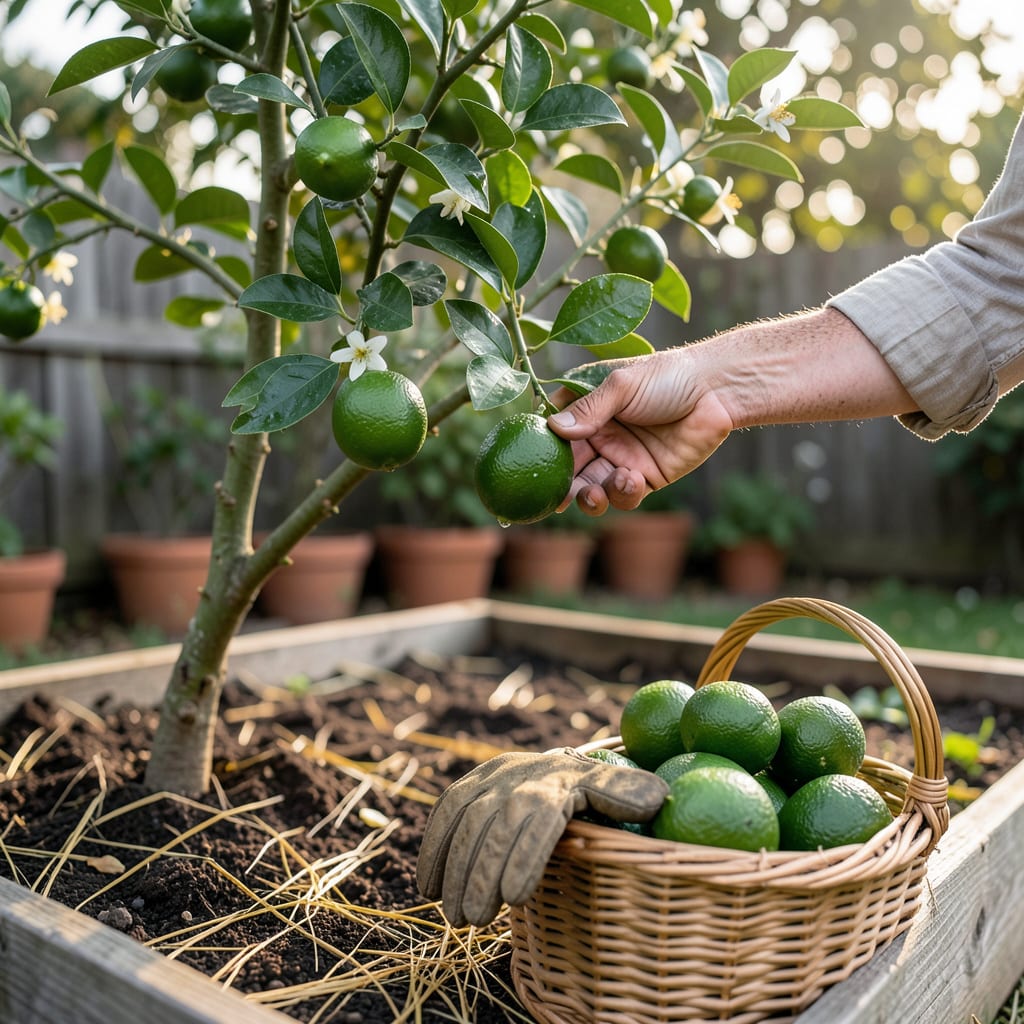
There’s nothing like the zing of a perfectly ripe lime—but knowing exactly when to pluck it from the tree? That’s where most gardeners get it wrong. The difference between tart disappointment and that ideal juicy, aromatic burst comes down to timing.
I’ve seen too many limes 🍋 picked too early (or too late) because of misleading color cues or impatience. Whether you’re growing Key limes or Persian varieties, I’ll show you the foolproof signs to watch for—so every harvest delivers that bright, tangy flavor you crave.


If you’re waiting for limes to turn bright yellow like lemons, you’ll miss the harvest window entirely. Most limes—especially Persian limes—reach peak ripeness while still green. The secret? Look beyond color and focus on size, texture, and aroma instead.
For example, Key limes (the tiny, aromatic ones) should be about 1–2 inches in diameter with a slightly soft skin when gently squeezed. Persian limes, on the other hand, grow larger (up to 3 inches) and develop a glossy sheen when ready. Let’s break it down visually.
| Variety | Size at Ripeness | Color Cue | Texture Test |
|---|---|---|---|
| Persian Lime | 2–3 inches | Deep green (may yellow slightly) | Firm with slight give |
| Key Lime | 1–2 inches | Pale green to yellowish | Soft when pressed |
| Kaffir Lime | 1.5–2.5 inches | Bumpy green skin | Very firm, aromatic |
| Bearss Lime | 2–2.5 inches | Bright green, glossy | Slightly springy |
Here’s a pro trick: Sniff the stem end. A ripe lime will release a bright citrusy aroma when you gently scratch the skin near the stem. No smell? It’s not ready. Overpowering scent? It might be overripe and losing juice content.
Another telltale sign is the ease of separation. Give the lime a gentle twist—if it detaches with minimal effort, it’s ripe. If you’re wrestling with it, leave it on the tree for another 3–5 days and retest.
Don’t forget the weight test! A ripe lime feels heavier than it looks because it’s packed with juice. Compare two similar-sized limes—the heavier one is usually the riper choice. This works especially well for Persian and Bearss varieties.
For Key limes, watch for a color shift from bright green to a duller, yellowish-green. They’re smaller, so size matters less than texture. If the skin looks slightly wrinkled or the lime feels soft all over, it’s past prime.
Climate plays a role too. In hotter zones (like USDA 10–11), limes may ripen faster and smaller. Cooler areas (Zone 9) often yield larger but slower-ripening fruit. Adjust your expectations based on your local growing season.
If you’re still unsure, pick a test lime and cut it open. The flesh should be juicy and slightly translucent, not dry or fibrous. Underripe limes will have pale, firm flesh, while overripe ones turn mushy or brown inside.
Remember: Limes won’t ripen further once picked, so patience is key. When in doubt, leave them on the tree a few extra days. A perfectly timed harvest means more juice, better flavor, and limes that store longer too! 🌱
Timing your lime harvest isn’t just about watching the fruit—it’s about understanding your local climate and growing zone. In USDA Zones 9–11, where limes thrive, the harvest window can stretch from late summer to early winter, depending on the variety and weather patterns.
For example, Persian limes in Zone 10 (like Southern California or Florida) often ripen year-round with peak seasons in summer and fall. But in Zone 9 (such as parts of Texas), the same trees may only produce ripe fruit from August to October. Let’s map out the best times for your area.
| USDA Zone | Primary Harvest Window | Key Lime Season | Persian Lime Season | Climate Notes |
|---|---|---|---|---|
| Zone 9 | Aug–Oct | July–Sept | Aug–Oct | Cooler winters; shorter season |
| Zone 10 | Year-round (peak: Jun–Dec) | May–Nov | Jun–Jan | Mild winters; extended harvest |
| Zone 11 | Year-round | All year | All year | Tropical; consistent production |
In tropical climates (like Hawaii or South Florida), limes can ripen continuously, but you’ll notice flushing cycles—periods where the tree produces a surge of new fruit. These typically follow rainy seasons or fertilization cycles, so mark your calendar after heavy rains or feeding.
For subtropical zones (like Southern California), watch for temperature shifts. Limes ripen faster in hot, dry summers but may pause during cool spells. If a heatwave hits, check your limes daily—they can go from underripe to overripe in less than a week!
Drought conditions? Your limes might ripen smaller but more concentrated in flavor. After heavy rains, they’ll plump up but may take longer to reach full ripeness. Always pair visual cues (like color and size) with the seasonal patterns in your area for the best results.
If you’re growing limes in containers (Zones 8 or below), your harvest window shifts to late summer when you bring plants indoors. Watch for slower ripening in cooler indoor temps, and supplement with grow lights if natural sunlight is limited. A south-facing window can extend your season by weeks.
Pro tip: Keep a harvest journal! Note when your first limes ripen each year, how long they take, and any weather events (like frost or storms) that affect timing. Over time, you’ll pinpoint the perfect window for your microclimate—and enjoy the juiciest limes every season. ☀️
Even experienced gardeners make critical errors when harvesting limes. The biggest mistake? Picking too early—those pale green limes might look ready, but they’ll deliver half the juice and a bitter aftertaste. Let’s fix that.
Another blunder is ignoring the stem test. If you’re yanking limes off the branch, you’re damaging the tree and the fruit. A ripe lime should twist off gently with a slight tug. Forced removal means it needed more time.
Fix these, and you’ll double your juice yield. 🌱
Overlooking post-harvest care is another game-changer. Limes left in direct sunlight after picking will dry out in days. Store them in a cool, ventilated spot (like a mesh bag in the fridge) to extend freshness for 2–3 weeks.
Here’s a trick to test juice content without cutting: Roll the lime gently between your palms. A ripe one will feel dense and heavy, while an underripe lime feels light and hollow. This works for all varieties, from Key limes to Persian.
If you’ve already picked underripe limes, don’t toss them! Use them for zest or preserves—they’ll still pack flavor, just less juice. Overripe limes? Juice them immediately and freeze the liquid in ice cube trays for later use.
Remember: Limes won’t sweeten after picking, but their acidity mellows slightly over time. For the best flavor, harvest at peak ripeness and use within 1–2 weeks. Your margaritas (and marinades) will thank you! ✂️
No, limes won’t ripen further once removed from the tree. Unlike bananas or avocados, they don’t produce ethylene gas post-harvest. Always pick them at peak ripeness for maximum juice and flavor.
Many lime varieties—especially Persian limes—stay green even when fully ripe. Focus on size, texture, and aroma instead of color. A glossy skin and slight give when squeezed are better indicators.
Keep them in a cool, ventilated spot like a mesh bag in the fridge. They’ll stay fresh for 2–3 weeks. Avoid sealed containers, which trap moisture and cause mold.
Yes, but check them daily! Extreme heat can accelerate ripening, turning limes from underripe to overripe in less than a week. Harvest early if a heatwave is forecasted.
Use a gentle twisting motion—never pull. If it resists, it’s not ready. For stubborn limes, clip the stem with pruners to avoid damaging the tree.
