
Beautiful Plants For Your Interior
Beautiful Plants For Your Interior
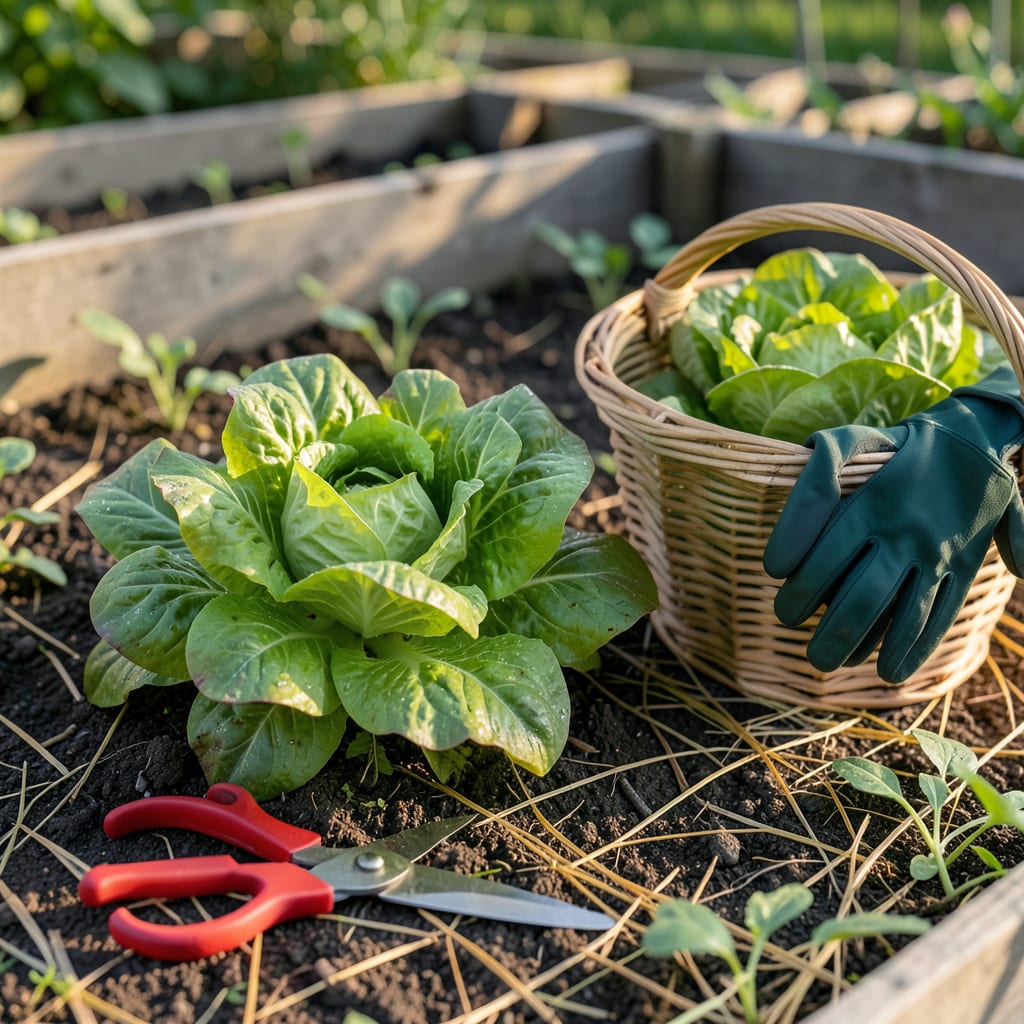
Nothing beats the taste of homegrown 🥬 lettuce—when you pick it at just the right moment. Those crisp, sweet leaves don’t happen by accident. Time it wrong, and you’ll end up with bitter, woody greens that won’t regrow.
I’ll show you the exact signs to watch for, whether you’re growing loose-leaf or head varieties. You’ll also learn the best time of day to harvest for maximum flavor and how to keep your plants producing all season long. Let’s get it right the first time.


Knowing exactly when to pick your lettuce can feel like solving a puzzle. The good news? Your plants give clear signals when they’re ready. I look for three key indicators: size, texture, and color. These vary slightly depending on whether you’re growing loose-leaf, romaine, butterhead, or crisphead varieties.
For leaf lettuce, you can start harvesting as soon as leaves reach 4-6 inches tall. With heading types like iceberg or romaine, you’ll want to wait until the center forms a firm head. The difference between perfectly tender leaves and bitter disappointment often comes down to just a few days of growth.
| Lettuce Type | Ready Signs | Size Guide | Harvest Window |
|---|---|---|---|
| Leaf Lettuce (Oakleaf, Red Sails) | Tender leaves, vibrant color | 4-6″ tall | 30-50 days |
| Romaine (Cos) | Firm elongated head, dark green | 8-10″ tall | 55-70 days |
| Butterhead (Bibb, Boston) | Loose head, buttery texture | 6-8″ diameter | 50-65 days |
| Crisphead (Iceberg) | Tight, dense head | 6-8″ diameter | 70-90 days |
🌱 Tip: Morning harvests yield the crispest leaves for all varieties
I always check the stem firmness before harvesting heading lettuce. A mature head should feel solid when gently squeezed. If it gives easily, it needs more time. For leaf lettuce, I look for outer leaves that are large enough to eat but still tender – usually about the size of my palm.
Color is another telltale sign. Most lettuce varieties should be a deep, vibrant green when ready. Yellowing edges or pale leaves indicate either immaturity or stress. Butterhead varieties often develop a slight yellowish tint in their inner leaves when perfectly ripe – this is normal and desirable.
The “cut-and-come-again” method works beautifully with leaf lettuce. I harvest only the outer leaves, leaving the growing center intact. This allows the plant to keep producing for 4-6 weeks of continuous harvests. For heading types, I cut the entire plant about 1 inch above the soil to encourage potential regrowth.
Watch out for bolting signs – when lettuce sends up a flower stalk. This makes leaves bitter and tough. In hot weather, I harvest my lettuce slightly early to avoid this. The ideal harvest window is often just 3-5 days long, so check your plants daily as they approach maturity.
For container gardeners, the same rules apply but growth may be slightly faster due to consistent moisture and temperature. I’ve found container-grown lettuce often reaches harvest size about 3-7 days earlier than in-ground plants. Just be sure your containers have good drainage to prevent soggy roots.
Remember that cool-season lettuce tastes best when harvested before temperatures exceed 80°F. In warmer climates, I switch to heat-tolerant varieties like ‘Jericho’ romaine or ‘Slobolt’ leaf lettuce. These can handle higher temps without bolting as quickly as standard varieties.
After harvesting, I immediately move my lettuce to shade to prevent wilting. The difference between leaves picked at dawn versus midday is astonishing – morning-harvested lettuce stays crisp for 2-3 days longer in my fridge. This simple timing trick makes all the difference in both flavor and storage life.
If you’ve ever wondered why your homegrown lettuce sometimes tastes bitter or wilted too quickly, the harvest timing might be to blame. I’ve found that picking lettuce at the right time of day makes a world of difference in both flavor and shelf life. Morning harvests are my secret weapon for crisp, sweet leaves that stay fresh longer.
The cool morning hours (before 10 AM) are ideal because lettuce leaves are plump with moisture from overnight dew. This natural hydration gives them that perfect crunchy texture we all love. Plus, the sugars in lettuce are at their peak in the morning, meaning you’ll get the sweetest flavor possible.
💡 Pro Tip: Use sharp scissors to make clean cuts that heal faster for regrowth.
I always recommend using clean, sharp scissors or garden shears for harvesting. A jagged cut from dull tools can damage the plant and invite disease. Make your cuts about 1 inch above the soil to allow for quick regrowth. This method works especially well for leaf lettuce varieties like oakleaf or red sails.
After harvesting, I immediately rinse my lettuce in cool water and spin it dry. For storage, wrap the leaves loosely in a damp paper towel and place them in a sealed container in the fridge. This simple trick keeps my lettuce fresh for 7-10 days—much longer than store-bought!
Remember that heat stress can cause lettuce to bolt (go to seed) quickly. If you notice a bitter taste or see a central stem elongating, it’s time to harvest the entire plant. Once lettuce bolts, the leaves turn tough and unpalatable, so keep an eye on your plants during hot weather.
For those growing lettuce in containers, the same timing rules apply. Container-grown lettuce can actually be more sensitive to temperature fluctuations, so morning harvests are even more crucial. I’ve had great success with successive planting every 2 weeks to ensure a continuous supply of fresh lettuce throughout the season.
Timing your lettuce harvest isn’t just about plant maturity—it’s about maximizing flavor and crispness. I’ve discovered that the time of day you pick makes a surprising difference. Morning harvests consistently yield the sweetest, most tender leaves with the longest shelf life.
The golden window is between 6-9 AM, when leaves are plump with morning dew. This natural hydration gives that perfect crunch we all love. Afternoon harvests often result in limp leaves that wilt faster, while evening picks lack the morning’s peak sweetness.
✂️ Pro Tip: Use clean scissors for precise cuts that heal quickly
I always use sharp scissors to make clean cuts about 1 inch above soil level. This method encourages faster regrowth while preventing disease entry. For leaf lettuce, I harvest outer leaves first, leaving the center to keep producing for weeks.
After picking, I immediately rinse leaves in cool water and spin dry. For storage, I wrap them in a damp paper towel inside a sealed container. This simple method keeps my lettuce fresh for 7-10 days—far longer than store-bought!
Watch for heat stress signs like bitter taste or elongating stems. When temperatures rise above 80°F, lettuce bolts quickly. I harvest my entire crop when I see the first flower stalk forming, as leaves turn tough and unpalatable once bolting begins.
Look for outer leaves that reach 4-6 inches tall with vibrant color. They should feel tender but substantial when gently pinched. Start harvesting outer leaves first, leaving the center to keep growing for future harvests.
Overmature lettuce becomes bitter and tough, especially in warm weather. Heading varieties may split, while leaf types develop woody stems. Watch for bolting signs (flower stalks) – once this happens, the leaves turn unpalatable.
Yes, but wait until leaves dry to prevent rot. Morning harvests after rain are ideal since leaves are naturally hydrated. Avoid harvesting during heavy rain as soggy leaves wilt faster and may develop mold in storage.
Leaf varieties regrow beautifully using the cut-and-come-again method. Cut leaves 1 inch above soil, leaving the center intact. Heading types may produce smaller second heads if cut properly.
Morning is always best for peak crispness and sweetness. Evening harvests are better than afternoon but lack morning’s hydration advantage. If you must harvest later, do it before 4 PM to avoid heat stress.
