
Beautiful Plants For Your Interior
Beautiful Plants For Your Interior
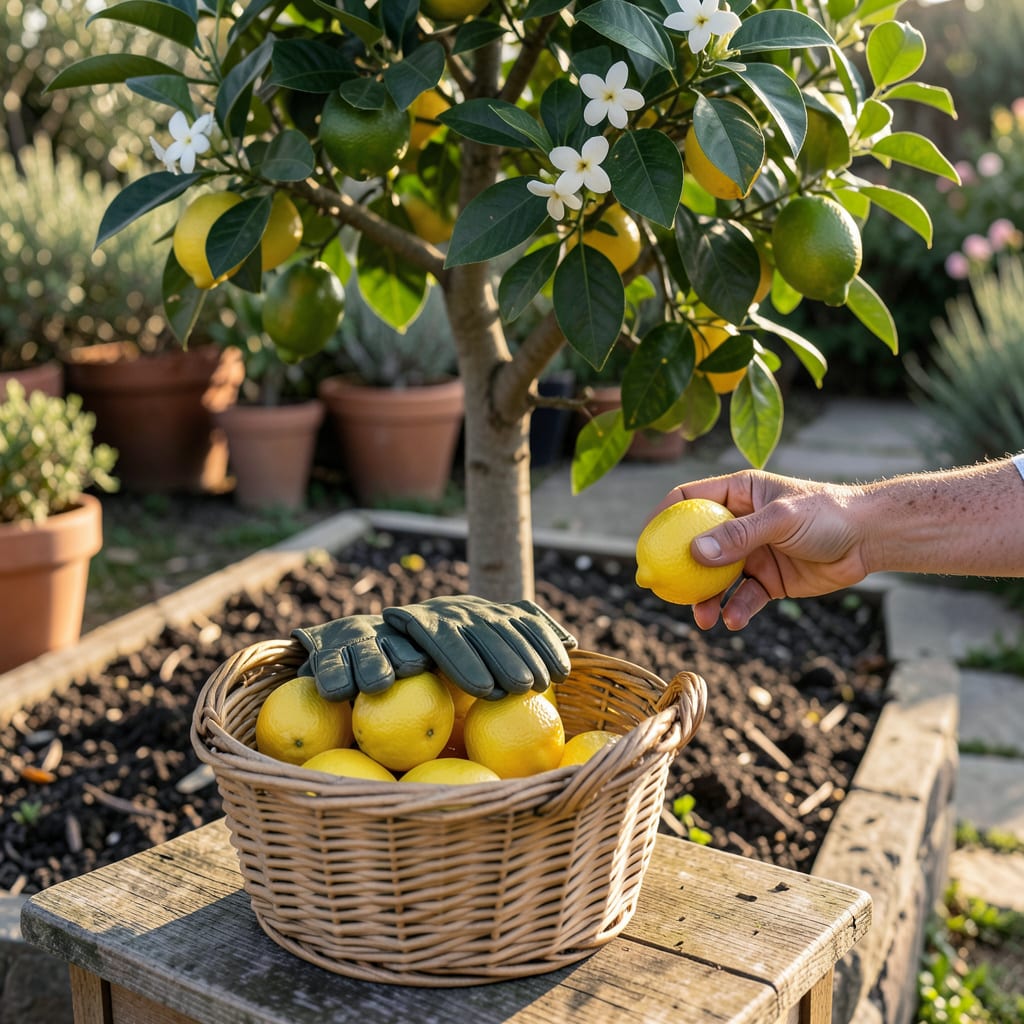
Nothing beats the satisfaction of plucking a perfectly ripe lemon 🍋 from your own tree—juicy, fragrant, and ready for your favorite recipes. But timing is everything. Pick too soon, and you’ll get puckering sourness; wait too long, and the fruit may lose its vibrant flavor.
I’ll show you the foolproof signs to watch for, from color shifts to subtle texture changes. Whether you’re in zone 6 or growing lemons in containers, you’ll learn exactly when to harvest for that ideal balance of sweetness and tang. Let’s make every lemon count.


Knowing exactly when to pick lemons can feel like a guessing game, but your tree actually gives clear signals. I’ve found that color alone isn’t reliable—some varieties stay greenish even when ripe! Instead, focus on a combination of texture, size, and aroma for foolproof results.
Most gardeners don’t realize that lemons ripen from the inside out, so external clues matter most. A firm but slightly yielding skin and a sweet citrus scent at the stem are better indicators than just color. Let’s break down the top 5 ripeness signs you can trust every time.
⚠️ Pro Tip: Sample one fruit first! Cut it open to check juice content and seed darkness (brown seeds = ripe).
One mistake I see often? Assuming all lemons turn sunshine yellow when ripe. Varieties like ‘Variegated Pink’ stay striped, while ‘Meyer lemons’ lean orange. Always research your specific type—color guidelines vary wildly!
The stem test is my favorite trick. If the lemon resists when you twist, it’s not ready. A ripe fruit will come off with a satisfying pop, leaving the stem button intact on the tree. This prevents tearing the bark, which can invite pests or disease.
Don’t overlook the scent test—it’s underrated! Unripe lemons smell grassy or mild, while ripe ones burst with that zesty aroma we love. I rub the peel between my fingers to release the oils. If it smells like lemonade, it’s go time!
Size is another clue, but it’s variety-dependent. Standard Eureka lemons grow 3–4 inches long, while ‘Ponderosa’ can hit 5 inches! Compare your fruit to the tree’s average size. If most lemons are uniform and plump, they’re likely ready.
If you’re still unsure, here’s my backup method: pick one test lemon and taste it. Cut it open—ripe lemons have juicy, plump segments and dark brown seeds. Pale seeds or dry flesh? Give the rest another 7–10 days.
Remember, lemons won’t ripen further once picked, so patience pays off. In warm climates like USDA zones 9–11, you might get multiple harvests per year. Cooler zones (like zone 6) often have one late-summer window—watch for frost warnings!
Once you’ve mastered these signs, harvesting becomes second nature. I like to use sharp pruners (wiped with rubbing alcohol) to snip the stem cleanly, leaving a ¼-inch stub. This protects the tree from infections and keeps your lemons fresh longer. Happy picking! 🪴
Timing your lemon harvest isn’t just about the fruit—it’s about where you live. I’ve learned that climate zones dramatically shift when lemons reach peak ripeness. In USDA zone 9, you might harvest in November, while zone 11 gardeners could pick year-round!
The key is understanding your local growing season. Coastal California lemons often ripen earlier than Arizona desert trees due to cooler nights. Even container-grown lemons follow different rules. Let me break down the ideal harvest windows by region.
| Zone | Primary Harvest | Secondary Harvest | Notes |
|---|---|---|---|
| 8 | Sept-Oct | None | Watch for early frosts |
| 9 | Nov-Jan | Mar-Apr | Two crops possible |
| 10 | Oct-Dec | Feb-Mar | Longest season |
| 11 | Year-round | N/A | Peak in winter |
| Containers | Varies | N/A | Follow indoor temps |
💡 Tip: Coastal areas may harvest 2-3 weeks earlier than inland zones at same latitude.
In zone 6, where lemons need winter protection, I’ve found the harvest window is tight—usually late August to September. These trees often produce just one flush of fruit, so timing is critical. Watch for color changes starting in mid-summer.
For container-grown lemons, the rules bend a bit. Since you control the environment, harvest times depend more on light exposure and temperature consistency. I’ve successfully picked ripe lemons in December from indoor trees under grow lights!
Weather patterns play a huge role too. A heat wave can speed ripening by 1-2 weeks, while cool spells slow it down. I always check my lemons after temperature swings. The scent test becomes extra important during unpredictable weather.
If you’re in a Mediterranean climate (like parts of California), your lemons might ripen in winter when other zones are dormant. This is why commercial growers there harvest from November to March. Home gardeners should follow suit for best flavor.
Remember, these are guidelines—not strict rules. I once had a Meyer lemon tree in zone 9 that produced ripe fruit in June due to an unusually warm spring. Always combine the calendar with the 5 ripeness signs we covered earlier for perfect results. 🌳
Timing your lemon harvest isn’t just about flavor—it affects your entire tree’s health and next season’s yield. I’ve seen gardeners rush to pick the first yellow fruit, only to end up with bitter, dry lemons that ruin their harvest. On the flip side, leaving lemons too long can stress the tree.
Let’s look at what really happens when you harvest at the wrong time—and how to salvage underripe lemons if you’ve already picked them. The differences might surprise you, especially when it comes to juice content and storage life.
💡 Quick Fix: Underripe lemons? Place in a paper bag with an apple for 3-5 days to boost sweetness.
The biggest surprise for most gardeners? Lemons don’t ripen after picking like bananas or avocados. Once separated from the tree, their sugar and acid levels are locked in. That’s why an early-picked lemon stays painfully sour no matter how long you wait.
I once tested this by picking green lemons and storing them for weeks—they never developed proper sweetness. The seeds stayed pale, and the juice was watery. Compare that to perfectly timed lemons, which have plump, juicy segments and seeds that turn dark brown when fully mature.
Left too long on the tree, lemons become overmature, developing a dull, thick rind and losing their vibrant flavor. I’ve found that lemons left 2+ weeks past prime often develop off-flavors from fermentation. The tree also wastes energy maintaining overripe fruit, which can reduce next season’s bloom.
Here’s my trick for borderline cases: the float test. Drop a lemon in water—if it sinks, it’s dense with juice (ripe!). If it floats, it needs more time. This works because ripe lemons have higher sugar content, making them heavier. Try it before committing to a full harvest! 💧
Some varieties like Meyer lemons stay greenish-orange when fully ripe. Focus on other signs: a sweet citrus scent at the stem, slight give when gently squeezed, and seeds that appear dark brown when cut open.
Lemons don’t ripen all at once. Check your tree weekly and harvest only the fruits showing full color and easy stem separation. This approach extends your harvest season and ensures peak flavor for each lemon.
Store at room temperature for up to 1 week, or refrigerate in a plastic bag for 3-4 weeks. For longer storage, juice and freeze in ice cube trays. Avoid washing until ready to use to prevent mold growth.
Fruits exposed to more sunlight or on outer branches often ripen first. The tree’s position also matters—south-facing sides typically mature faster. This staggered ripening is normal and actually extends your harvest window.
No, lemons won’t ripen further once picked. They only develop sugar and juice while attached to the tree. If picked early, they’ll remain sour. Always check ripeness before harvesting for best flavor and juice content.
