
Beautiful Plants For Your Interior
Beautiful Plants For Your Interior
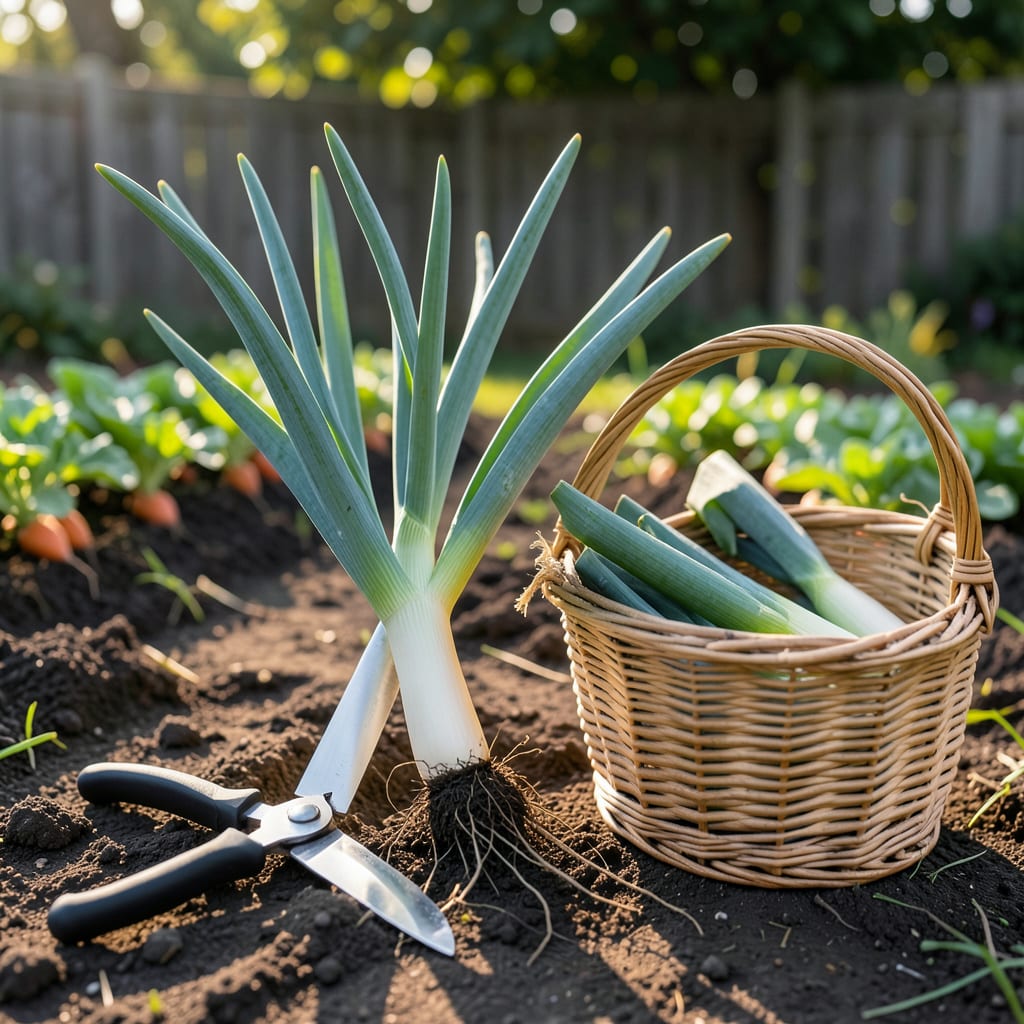
Timing your leek harvest can mean the difference between perfectly tender stems and tough, bitter disappointment. Those slender green shafts hiding in your garden soil hold their sweetest flavor at just the right moment—but how do you know when that is?
Whether you planted in early spring or late summer, the clues aren’t just about days on the calendar. I’ll show you the exact visual signs to watch for and why waiting too long might cost you that ideal texture. Let’s dig into what your leeks are trying to tell you.


I’ve found that leeks whisper when they’re ready—if you know what to look for. The first clue is stem diameter: most varieties hit their prime at 1–2 inches thick, about the width of a golf ball. But don’t grab your trowel yet! Spring-planted leeks often mature in 90–120 days, while fall-sown ones may need longer.
Color tells another story. A ready leek sports a vibrant white shaft (the edible part) transitioning to deep green leaves. If the white portion still looks translucent or the green tops are pale, give them more time. I always check the soil line—when the base starts pushing slightly above ground, it’s nature’s nudge to harvest.
| Harvest Sign | Spring Leeks | Fall Leeks |
|---|---|---|
| Stem Thickness | 1–1.5 inches | 1.5–2 inches |
| Days to Maturity | 90–100 days | 120–150 days |
| Leaf Color | Bright green tops | Deep green, slightly blue |
| Frost Tolerance | Light frost okay | Survives hard frost |
*Tip: Fall leeks often develop sweeter flavor after light frosts!
Texture is your final test. Gently squeeze the white shaft—it should feel firm but yield slightly, like a ripe avocado. If it’s rock-hard, wait a week. Overmature leeks develop woody cores, so I harvest before they exceed 2 inches in diameter. Pro tip: Use a soil knife to check the base without uprooting the whole plant.
Seasonal quirks matter too. Spring leeks bolt faster in heat, so I harvest them younger. Fall leeks, though, can linger in the ground until hard freezes (below 20°F). I’ve left them under mulch for winter harvests—their flavor intensifies! Just avoid letting them flower, which turns stems bitter and tough.
Not sure? Try the “twist test”: grasp a leek near its base and twist gently. If it resists slightly but releases cleanly, it’s ready. No resistance means it needs more time. I’ve ruined plenty by yanking too soon—now I wait for that satisfying slight pop as it separates from the soil.
Remember, leeks grow slower in cool weather but reward patience with milder taste. If you’re in USDA zones 6–8, you can often extend harvests into early winter with a thick mulch blanket. The key is watching, not just waiting—your leeks will show you when they’re at their best. 🌱
After years of growing leeks, I’ve learned that even small missteps at harvest time can turn a perfectly good crop into a disappointing mess. The most common blunder? Harvesting too early. Thin stems under 1 inch lack flavor and texture—wait until they’re at least as thick as a sharpie marker.
On the flip side, leaving leeks in the ground too long is just as bad. Once stems exceed 2 inches, they develop woody cores that no amount of cooking can soften. I check mine weekly once they near maturity—it’s shocking how quickly they can overgrow in warm weather. 🌱
*Fix: Use the twist test—gentle resistance means perfect timing!
Another critical error is improper harvesting technique. Yanking leeks by the tops bruises the stems and leaves soil clinging to the roots. Instead, I loosen the soil with a hand fork 4–6 inches from the base, then lift gently. This keeps the white shafts clean and intact.
Storage mistakes wreck leeks faster than you’d think. Never leave them in a sealed plastic bag—trapped moisture causes rot. My go-to method? Trim the roots, wrap the white portion in damp paper towels, and store in the crisp drawer. They’ll stay fresh for 2–3 weeks this way.
Finally, don’t overlook post-harvest blanching for fall leeks. If you want sweeter flavor, mound soil around the stems 2–3 weeks before harvest to block sunlight. This simple trick reduces bitterness and tenderizes the shafts. I’ve found it makes even store-bought leeks taste homegrown! ✂️
Most varieties reach ideal size at 1–2 inches in diameter—about the width of a golf ball. Spring leeks are best at 1–1.5 inches, while fall types can grow slightly thicker. Check weekly once they near maturity to avoid overgrowth.
Fall-planted leeks actually sweeten after light frosts and tolerate temps down to 20°F. Spring leeks, however, bolt quickly in cold snaps. Use mulch to extend harvests into early winter in zones 6–8.
Grasp the leek near its base and twist gently. Perfectly ripe ones will resist slightly then release with a satisfying pop. No resistance means they need more time; too-easy release suggests overmaturity.
Loosen soil 4–6 inches from the base with a hand fork, then lift gently. Never yank by the tops—this bruises the white shafts. Trim roots immediately to prevent dirt from clinging during storage.
Bitterness often comes from exposure to sunlight on the white shafts. Mound soil around stems 2–3 weeks before harvest to blanch them naturally. Overmature leeks also develop bitter, woody cores.
