
Beautiful Plants For Your Interior
Beautiful Plants For Your Interior
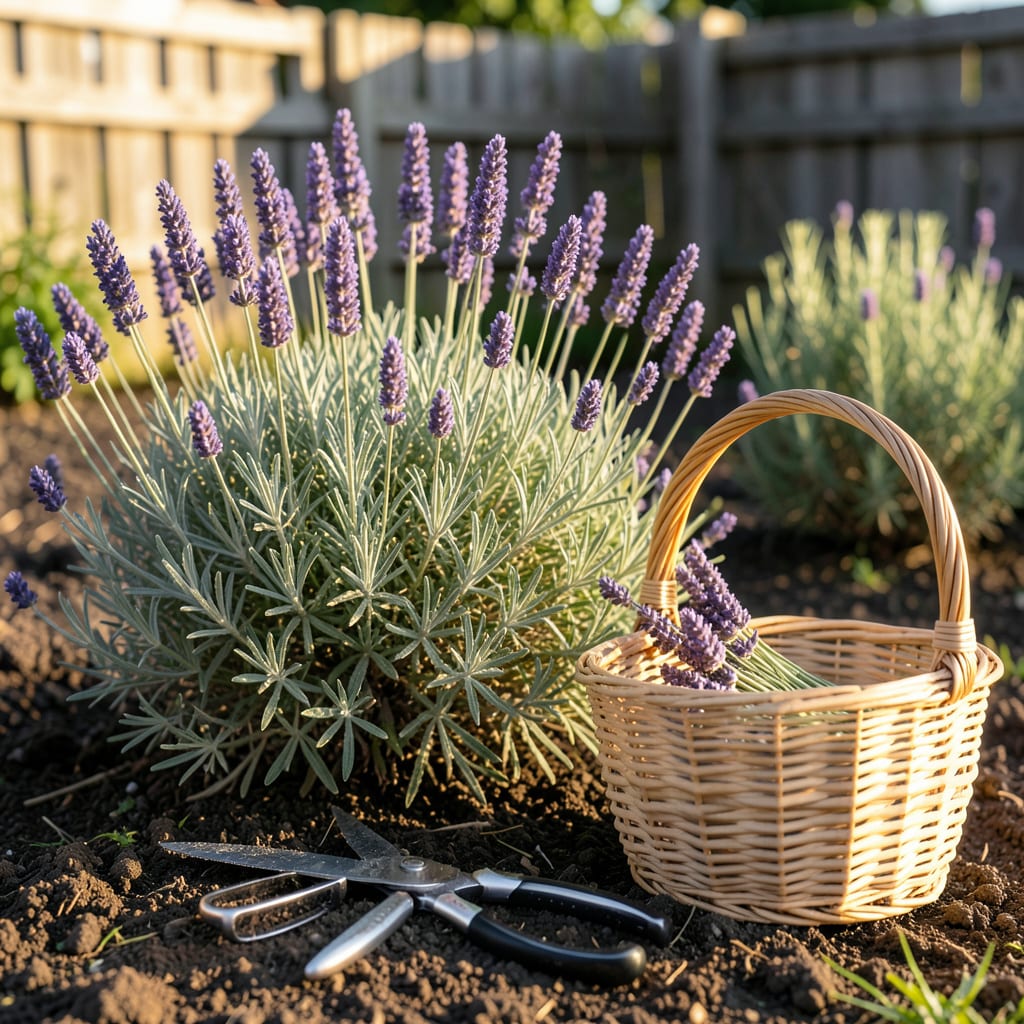
There’s nothing worse than cutting your 🌱 lavender too early—or too late—and ending up with weak fragrance or crumbling buds. I’ve been there, watching my carefully dried bundles lose their vibrant purple hue and that signature calming scent we all love.
The secret lies in perfect timing, and it’s easier to nail than you think. I’ll show you exactly when to harvest based on simple visual cues and seasonal patterns—so your dried lavender stays potent, colorful, and ready for sachets, teas, or crafts all year long.


If you’ve ever wondered why your dried lavender lost its fragrance, the answer often lies in when you picked it. After years of trial and error, I’ve found that harvesting at the wrong stage—whether too early or too late—can ruin months of careful growing. The sweet spot? When 50-75% of the buds are open.
Timing also depends on your lavender variety and local climate. English lavender (Lavandula angustifolia) typically peaks in late June to early July, while Spanish lavender (Lavandula stoechas) may bloom earlier. Humid regions require earlier harvests to prevent mold during drying.
| Factor | Optimal Condition |
|---|---|
| Bud Stage | 50-75% open flowers |
| Time of Day | Early morning (after dew dries) |
| English Lavender | Late June – early July |
| French Lavender | May – June |
| Humid Climates | Harvest 1-2 weeks earlier |
| Arid Climates | Can wait until 75% open |
I always recommend harvesting in the early morning after the dew evaporates. This is when the essential oils are most concentrated, giving you the strongest fragrance. Avoid midday harvests—the heat can cause oils to evaporate before you even cut the stems.
For English lavender, watch for the first few buds to open at the base of the flower spike. This is your signal that the rest will follow within days. French lavender’s papery bracts should just begin to separate, revealing tiny purple flowers underneath.
Climate plays a huge role too. In humid areas, I harvest on the earlier side (50% open) to prevent mold during drying. Arid gardeners can wait until 75% open since the dry air helps preserve the buds. Always cut stems 6-8 inches long for best drying results.
After cutting, remove any foliage from the lower third of the stem. This prevents moisture buildup that could lead to rot. Bundle stems in small groups (about 10-15 stems) and hang them upside down in a dark, well-ventilated space.
Remember that second flushes (later blooms) often produce weaker stems and less potent oil. For drying purposes, I focus on the first major bloom of the season. This gives you the most fragrant, long-lasting dried lavender for sachets, potpourri, or homemade gifts.
If you’re growing multiple varieties, keep a harvest journal noting when each type peaks. Over time, you’ll develop an instinct for that perfect moment when the buds are just beginning to open but haven’t yet released their full fragrance into the air. That’s when you want to cut!
Perfectly timed lavender drying preserves not just the color and scent, but also those wonderful calming properties we all love. Get this right, and you’ll have beautiful, aromatic bundles that last for years rather than months. 🌿
Your lavender’s drying success isn’t just about timing—it’s also about weather conditions and which variety you’re growing. I’ve learned the hard way that a rainy week before harvest can ruin months of preparation. Different lavender types respond uniquely to climate factors.
English lavender (Lavandula angustifolia) thrives in cooler climates and handles humidity better than other varieties. Meanwhile, Spanish lavender (Lavandula stoechas) prefers hotter, drier conditions. Understanding these differences helps you adjust your harvest schedule for optimal drying results.
| Variety | Best Climate | Harvest Window | Drying Sensitivity |
|---|---|---|---|
| English | Cooler, humid | Late June – early July | Moderate (handles humidity) |
| French | Hot, dry | May – June | High (needs dry air) |
| Spanish | Hot, arid | April – May | Low (dries quickly) |
| Grosso | Warm, dry | Mid-July | Moderate (thick stems) |
In humid climates, I’ve found that harvesting 1-2 weeks earlier than usual prevents mold issues during drying. The extra moisture in the air means buds take longer to dry, increasing the risk of rot. For arid regions, you can wait until 75% of buds are open since the dry air helps preserve quality.
Temperature swings also matter. If you’re expecting a heatwave, harvest a few days earlier than planned. Extreme heat can cause essential oils to evaporate before you cut the stems. Conversely, cool, overcast weather might let you wait an extra day or two for more buds to open.
For Spanish lavender, watch for the distinctive “rabbit ear” bracts to start separating. This variety dries fastest, so I recommend harvesting when only 30-50% of buds are open. Grosso lavender, with its thick stems, can handle slightly later harvests but needs extra drying time.
Always check the 5-day forecast before harvesting. If rain is expected, pick your lavender immediately—wet buds won’t dry properly and may develop mold. Store freshly cut stems in a cool, dry place until you can bundle them for drying. 🌿
Always pick lavender in the early morning after the dew has dried. This is when the essential oils are most concentrated, giving you the strongest fragrance. Avoid midday harvests—the heat can cause oils to evaporate before you even cut the stems.
If the buds have fully opened and started dropping petals, you’ve waited too long. Overly mature lavender loses its vibrant color and fragrance during drying. The ideal window is when 50-75% of buds are open—check daily once blooming begins.
In humid climates, harvest 1-2 weeks earlier than usual to prevent mold. The extra moisture means buds take longer to dry, increasing rot risk. Arid regions can wait until 75% of buds open since dry air preserves quality better.
Never harvest wet lavender—it won’t dry properly. If rain is forecasted, pick your lavender immediately before the storm. Store freshly cut stems in a cool, dry place until you can bundle them. Wet buds are prone to mold and color loss.
Most lavender bundles dry completely in 2-3 weeks when hung upside down in a dark, well-ventilated space. Thicker-stemmed varieties like Grosso may need an extra week. Check for dryness by gently squeezing stems—they should feel brittle, not bendy.
