
Beautiful Plants For Your Interior
Beautiful Plants For Your Interior
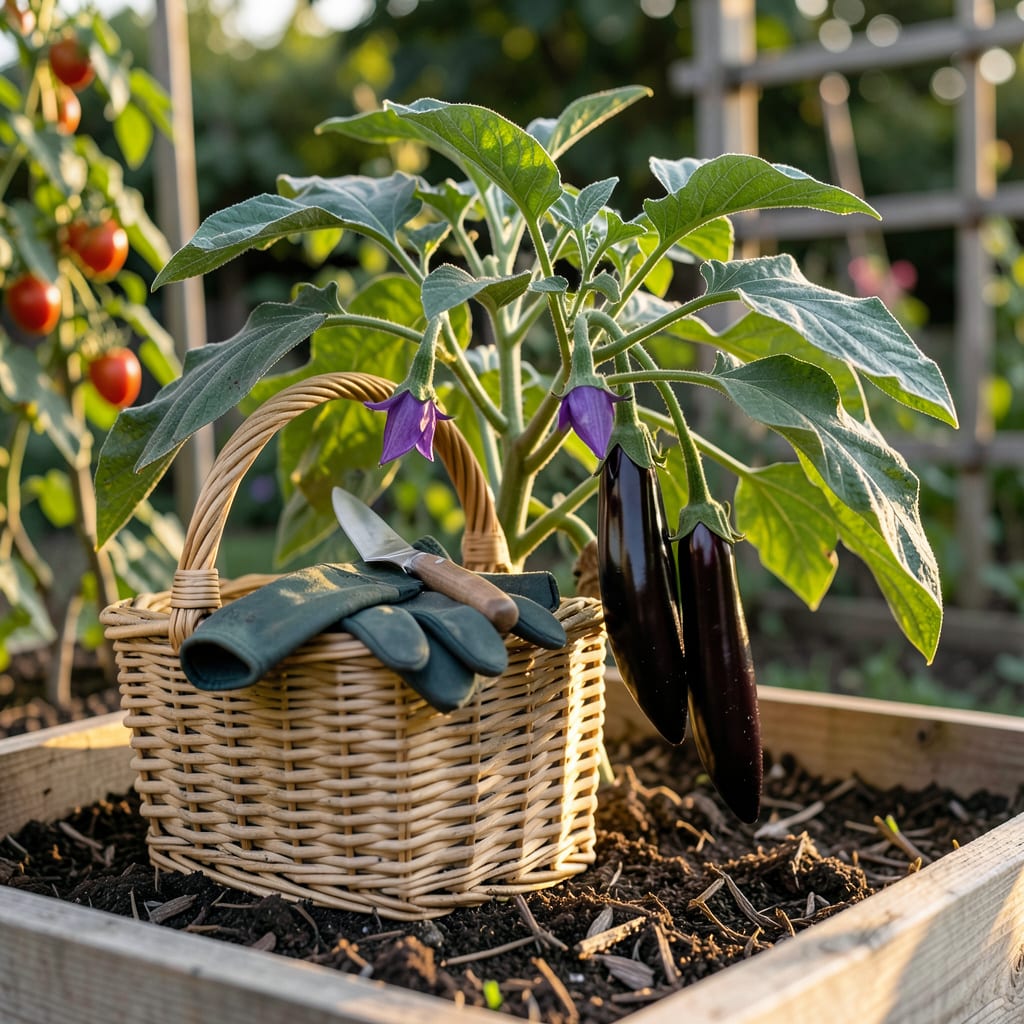
There’s nothing worse than cutting into a homegrown 🍆 Japanese eggplant only to find bitter seeds or tough flesh. That perfect moment between underripe and overripe is surprisingly narrow—but once you know the signs, you’ll never miss it again.
I’ve ruined my share of eggplants by waiting too long or picking too soon. Now I rely on three foolproof cues that guarantee tender, flavorful fruit every time. Let me show you exactly what to look for—no guesswork required.


After years of trial and error, I’ve learned that Japanese eggplants give clear signals when they’re ready to pick—if you know what to look for. The difference between a perfectly ripe eggplant and one that’s past its prime can be just 2-3 days. Here’s how to read your plant’s cues like a pro.
First, forget everything you know about globe eggplants. Japanese varieties are harvested younger and smaller, which is why their tender texture and mild flavor are so prized. I check my plants every morning once fruit appears, because in warm weather, they can go from perfect to overripe in a flash. 🌱
⚠️ Warning: If seeds inside are brown/black, you’ve waited too long!
The skin test is my favorite indicator. I run my fingers over the fruit—when it feels like a smooth, taut balloon, it’s ready. If it’s still slightly rough or matte, I give it another day. Remember, Japanese eggplants should never feel heavy for their size; that’s a sign of overripeness and seed development.
Color is another dead giveaway. I compare the fruit to the calyx (that green cap where the stem attaches). When the eggplant is 2-3 shades darker than the calyx, it’s typically perfect. In my garden, I’ve noticed that morning light shows the truest color—late afternoon sun can make them appear darker than they are.
Size matters more than you think. While globe eggplants can grow huge, Japanese varieties are best harvested small. I use my hand as a guide—if the fruit extends much beyond my palm (about 8 inches), it’s time to pick. The ‘Ichiban’ variety I grow is ideal at 6-7 inches, while thicker types like ‘Tycoon’ can go to 8-9 inches.
The thumb test is my secret weapon. I gently press the flesh near the stem with my thumb. Perfect ripeness feels like pressing a ripe avocado—there’s resistance but a slight yield. If my thumbnail leaves an indentation, it’s overripe. If there’s no give at all, I wait another day and check again.
Don’t ignore the stem connection. A ripe eggplant will detach with a clean snap when bent slightly upward. If it resists or the stem fibers pull, it needs more time. I always use clean pruners to cut the stem about 1 inch above the fruit—this prevents damage to both the plant and the eggplant.
Timing matters too. I harvest in the early morning when temperatures are cool. This is when the fruit is most firm and least stressed. If I can’t pick in the morning, I wait until evening—never during the heat of the day. After harvesting, I immediately place eggplants in the shade to prevent wilting.
One final tip: Check daily once fruit appears. Japanese eggplants can mature shockingly fast in warm weather. I’ve had fruits go from perfect to seedy in just 48 hours during heatwaves. When in doubt, pick earlier—you can always let remaining fruits mature longer, but you can’t undo overripeness. 🌿
If you’ve ever wondered why your neighbor’s Japanese eggplant tastes sweeter than yours, timing is likely the culprit. Different varieties mature at different rates, and knowing your plant’s specific days-to-maturity range is key. I’ve found that even within the same garden, ‘Ichiban’ might be ready weeks before ‘Nasu’.
Climate plays a huge role too. In my Zone 6 garden, I adjust my expectations based on summer heat—cooler seasons mean slower growth. The trick is tracking your first flower date and counting forward from there. Most varieties are ready 65-90 days after transplanting, but let’s break it down by type.
| Variety | Days to Maturity | Ideal Size | Best For |
|---|---|---|---|
| ‘Ichiban’ | 60-70 days | 6-8″ long, 1″ wide | Early harvests, containers |
| ‘Nasu’ | 75-85 days | 7-9″ long, 1.5″ wide | Mid-season, heat tolerance |
| ‘Tycoon’ | 80-90 days | 8-10″ long, 2″ wide | Late season, larger fruit |
💡 Pro Tip: In hot climates, subtract 5-7 days from these ranges. Cool summers? Add 7-10 days.
For continuous harvests, I stagger plantings every 2-3 weeks. Start ‘Ichiban’ seeds indoors in early March, then direct-sow ‘Nasu’ in late May. This way, I’m picking eggplants from July through October without gaps. The variety mix also helps—slender types mature faster than thicker varieties.
Watch your local frost dates too. In my area, I stop sowing new plants after July 15 to ensure fruit matures before first frost. If you’re in Zones 7-9, you can push this to early August. Remember: Japanese eggplants won’t tolerate frost, so harvest everything if temps drop below 50°F.
I always mark my calendar when flowers appear—this is your harvest countdown starting point. Most varieties need 20-30 days from flower to ripe fruit. Check plants daily once flowers fade; the fruit grows surprisingly fast in warm weather! Look for that glossy sheen and deep color we discussed earlier.
If you’re growing in containers, expect slightly slower growth. I’ve found container-grown ‘Ichiban’ takes about 7-10 extra days to mature compared to in-ground plants. The key is consistent watering—dry soil slows development. Use a moisture meter to keep levels steady, and you’ll be rewarded with perfect eggplants every time. 🌱
Even experienced gardeners make mistakes with Japanese eggplant that turn sweet, tender fruit into bitter disappointments. After ruining several harvests myself, I’ve identified the top 5 errors that sabotage flavor—and how to fix each one before it’s too late.
The biggest issue I see is waiting too long to harvest. Japanese eggplants develop bitter seeds shockingly fast once they pass peak ripeness. I learned this the hard way when my ‘Ichiban’ went from perfect to seedy in just 36 hours during a heatwave. Now I check plants daily when fruit appears. 🌱
💡 Pro Tip: Cut stems 1 inch above the fruit to prevent moisture loss
Another common mistake is harvesting too early. I used to pick my eggplants at 5 inches, thinking smaller meant more tender. Wrong! Underripe fruit has tough flesh and lacks the creamy texture we love. Now I wait until they reach at least 6 inches and pass the thumb test we discussed earlier.
Improper cutting ruins more eggplants than you’d think. Tearing or crushing the stem creates entry points for bacteria. I always use disinfected pruners and make clean cuts at a 45-degree angle. This helps water roll off the stem, preventing rot that can spread to remaining fruit on the plant.
Many gardeners don’t realize that harvest time affects flavor. Picking during the heat of day stresses the fruit, leading to faster spoilage. I schedule my eggplant harvests for 6-8 AM when temperatures are coolest. The fruit stays firmer and retains more moisture this way.
Post-harvest handling is where most flavor loss happens. Never refrigerate eggplants immediately—the cold causes pitting and browning. Instead, I store them at room temperature for 1-2 days before refrigerating. For best flavor, use within 3-4 days of picking. 🌿
Check your plants daily in warm weather. Japanese eggplants can mature rapidly, sometimes going from perfect to overripe in just 48 hours during heatwaves. Morning inspections are ideal when the fruit is firmest.
Harvest in the early morning (6-8 AM) when temperatures are cool. This prevents wilting and preserves moisture content. Avoid midday harvesting, as heat stress can reduce shelf life and flavor quality.
Overripe eggplants develop bitter seeds and tough flesh. While technically edible, they’re best avoided for fresh eating. If slightly overripe, try roasting or grilling to mask bitterness, but discard any with brown/black seeds.
Check the seed packet or plant tag for days-to-maturity. Early varieties like ‘Ichiban’ mature in 60-70 days, while late types like ‘Tycoon’ need 80-90 days. When in doubt, track from first flower appearance.
Use clean, sharp pruners to cut the stem 1 inch above the fruit at a 45-degree angle. This prevents moisture loss and reduces rot risk. Never twist or tear the fruit from the plant.
