
Beautiful Plants For Your Interior
Beautiful Plants For Your Interior
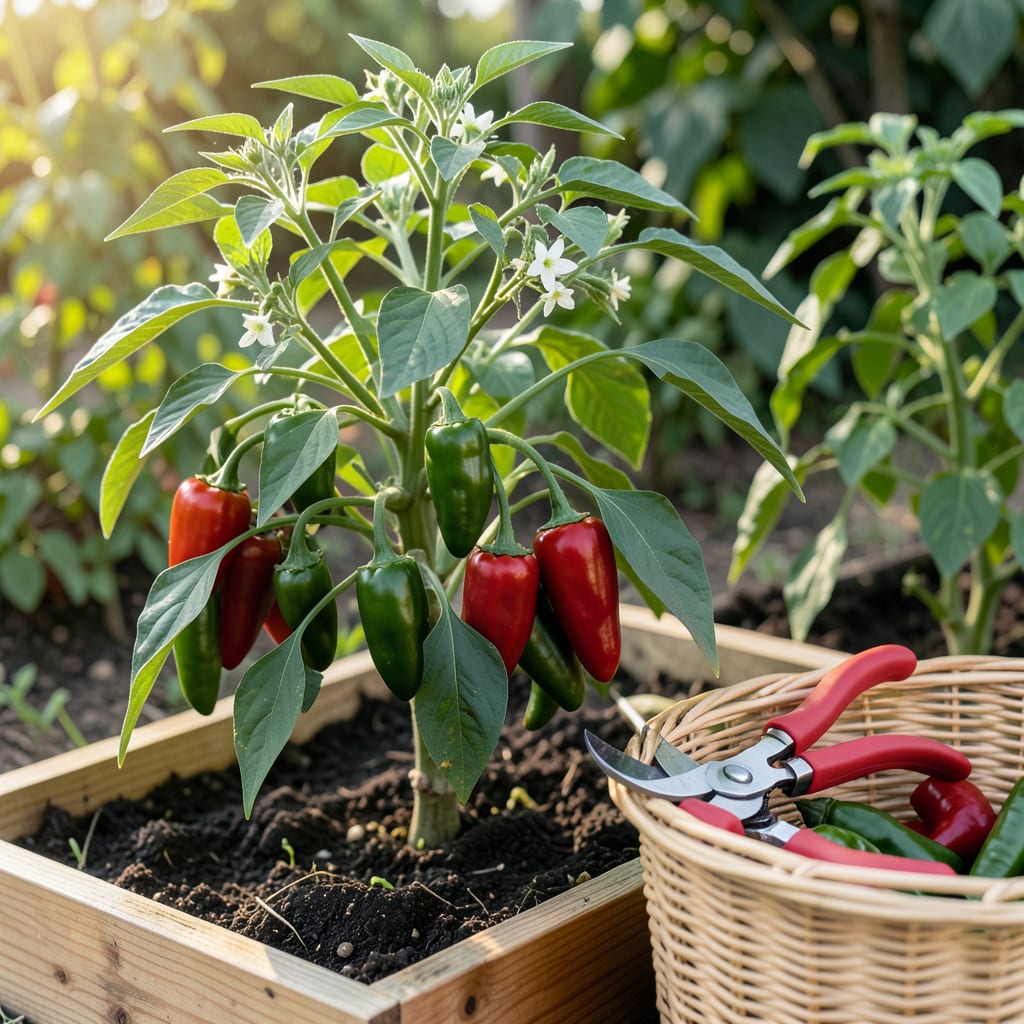
That moment when your 🌶️ jalapeños are finally ready to pick—only to realize you’re not sure if they’re at their peak. I’ve been there, staring at my plants wondering: Is that deep green shade perfect, or should I wait for red?
The difference between a perfectly timed harvest and a missed opportunity comes down to a few key signs. Let me walk you through exactly what to look for—so you’ll never second-guess your jalapeño picking again.


Knowing when to pick jalapeños starts with observing their size and color. Most varieties reach ideal harvest size at 2-3 inches long, though some may grow slightly larger. The classic deep green hue signals maturity, but don’t rush—wait until the pepper’s skin develops a glossy sheen.
I always check the stem end too. If it’s still pale green or white, your jalapeño needs more time. A mature pepper will have a uniform color from stem to tip, with no light patches. This visual cue is especially important for first-time growers who might mistake early growth for readiness.
| Stage | Visual Sign | Action |
|---|---|---|
| Immature | Pale green, <2 inches | Wait 5-7 days |
| Early Maturity | Deep green, 2-3 inches | Pick for mild heat |
| Peak Ripeness | Glossy, firm, aromatic | Harvest now |
| Fully Mature | Red color, softer | Pick for max heat |
*Tip: Use clean scissors to avoid damaging the plant stem.
The firmness test is my go-to method. Gently squeeze the pepper—it should yield slightly like a ripe avocado, but still feel dense. If it’s rock hard, it’s not ready. If it’s mushy, you’ve waited too long. This tactile check works perfectly alongside the visual cues we’ve discussed.
Don’t overlook the stem snap test. A ripe jalapeño will detach with a gentle upward twist. If you’re struggling to pull it off, the pepper needs more time. I recommend using clean pruning shears to avoid tearing the plant. Always leave about 1/4 inch of stem attached to the pepper.
For those growing red jalapeños, patience is key. These peppers start green and gradually turn red over 10-14 additional days. The red stage indicates maximum capsaicin (heat) and a slightly sweeter, fruitier flavor. If you prefer milder peppers, harvest while green.
Timing matters beyond just appearance. Jalapeños typically reach harvest readiness 70-85 days after transplanting. I mark my calendar when flowers first appear, as peppers usually mature 2-3 weeks after flowering. This timeline helps me anticipate the harvest window.
Watch for aromatic clues too. Ripe jalapeños develop a distinctive, slightly grassy scent. If you don’t smell anything when you bring the pepper close to your nose, it’s not quite ready. This sensory check is particularly useful for container-grown peppers that might mature differently than in-ground plants.
Remember that first harvest peppers often take longer to ripen. Subsequent peppers on the same plant may mature faster. I’ve noticed that late-season jalapeños (harvested in early fall) tend to be hotter due to accumulated sunlight and stress from cooler nights.
After harvesting, store your jalapeños properly to maintain freshness. For immediate use, keep them in the crisping drawer of your fridge for up to 2 weeks. For long-term storage, consider drying or freezing. I’ll share more preservation tips in our upcoming guide on jalapeño post-harvest care.
Ever wondered why some jalapeños make your mouth burn while others taste almost sweet? The secret lies in when you pick them. Harvest timing directly impacts both heat levels and flavor complexity. I’ve found that early-picked peppers tend to be milder, while fully mature ones pack serious heat.
As jalapeños ripen, their capsaicin levels increase, which is what gives them that signature kick. Green jalapeños (harvested at 70-75 days) offer moderate heat, perfect for fresh salsas. But if you wait until they turn bright red (around 85 days), you’ll get maximum spice ideal for drying or smoking.
For sweet jalapeños, harvest when they’re still light green and about 2 inches long. These work beautifully in stuffed pepper recipes where you want flavor without overwhelming heat. I always mark these on my calendar at the 60-day mark after planting.
The glossy sheen on mature jalapeños isn’t just pretty—it signals peak flavor development. Red jalapeños (left to ripen fully) develop fruity undertones that balance their heat. Try drying these for homemade chili flakes with complex flavor profiles.
Pro tip: If you’re growing jalapeños for smoking or drying, wait until they’re 80% red. The extra time on the plant concentrates sugars and capsaicin. Just watch for bird pecks—they love ripe peppers as much as we do!
Remember that stressed plants produce hotter peppers. Less water or higher temperatures can boost capsaicin. I’ve noticed my container-grown jalapeños (which dry out faster) often test 20% hotter than their in-ground counterparts. Adjust your harvest timing accordingly!
After harvesting, store green jalapeños in the crisp drawer for up to 2 weeks, or freeze whole for later use. Red ones dry beautifully—string them up in a well-ventilated area for 2-3 weeks until brittle. The flavor transformation during drying is truly magical! 🌿
Even experienced gardeners sometimes mess up jalapeño harvests. The biggest mistake I see? Picking too early when peppers are still pale green or soft. These immature jalapeños lack both flavor and heat, leaving you with bland results. Wait until they develop that deep green color and firm texture.
Another common error is using dull tools or yanking peppers off by hand. This damages the plant and can invite disease. Always use clean, sharp pruners and make a clean cut just above the stem. I also see gardeners ignoring plant stress signs like wilting during harvest time.
Many gardeners also overlook the time of day for harvesting. I always recommend picking in the early morning when peppers are crispest. Midday heat can make them soft and prone to bruising. If you must harvest later, move peppers to shade immediately to prevent wilting.
Don’t forget about post-harvest care either. Leaving jalapeños in direct sunlight after picking causes them to lose moisture quickly. I store mine in a cool, dark place for short-term use or dry them properly for long-term storage. Never wash peppers until right before use to prevent mold growth.
Finally, watch for overripe peppers that develop soft spots or wrinkles. While red jalapeños are fully mature, they shouldn’t feel mushy. I check my plants every 2-3 days during peak season to catch peppers at their prime. Remember, regular harvesting actually encourages more production throughout the season.
Most jalapeños reach harvest size in 70-85 days after planting. You’ll typically see mature peppers 2-3 months after seedlings emerge, depending on growing conditions. Watch for firm, glossy skin and deep green color as key indicators.
Red jalapeños are fully mature but not required for harvest. Green ones are milder, while red develop 2-3x more heat. Pick green for fresh use or red for drying/smoking. Both stages are edible—it’s about your preferred spice level.
Use clean, sharp pruners or scissors to cut stems, leaving 1/4 inch attached. Never pull by hand—this can break branches. Support the pepper with one hand while cutting to prevent accidental plant damage.
Avoid picking during or right after rain. Wet peppers bruise easily and may develop mold. Wait for dry conditions and harvest in the early morning when peppers are crispest. If rain is forecast, harvest a day earlier.
