
Beautiful Plants For Your Interior
Beautiful Plants For Your Interior
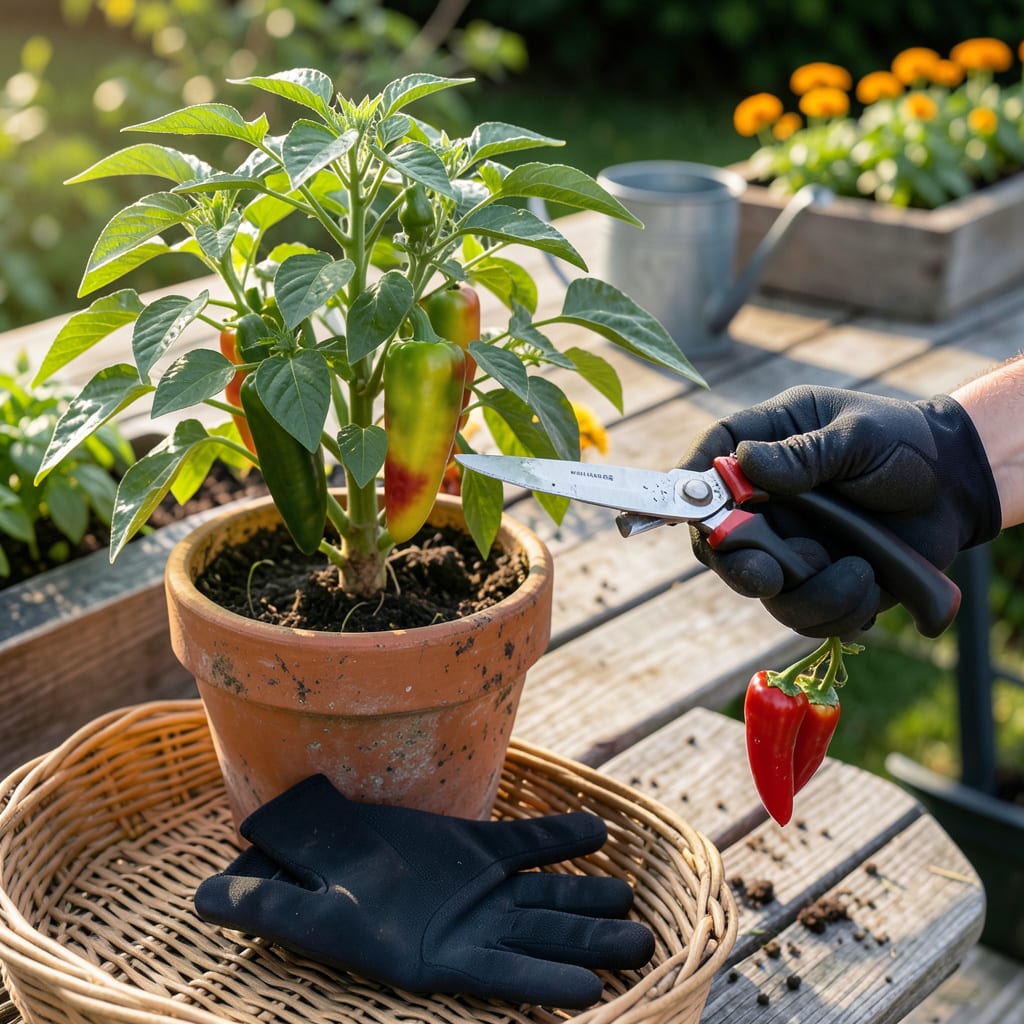
That first bite of a homegrown jalapeño can be a revelation—or a disappointment. If you’ve ever wondered why your peppers sometimes lack that fiery kick, the secret lies in perfect timing. The difference between mild and mouth-searing heat often comes down to just a few days.
I’ve spent seasons testing when to harvest 🌶️ Jalapenos for maximum spice, and the clues are hiding in plain sight. From color shifts to subtle texture changes, I’ll show you exactly what to look for—so you never pick a bland pepper again. Let’s get this right.


When I first started growing jalapeños, I’d pick them as soon as they turned green—only to be disappointed by their mild flavor. The real secret? Capsaicin levels skyrocket as peppers mature, and the visual cues are easier to spot than you think. Let’s decode what your plants are telling you.
Start by watching the color transformation. A pale green jalapeño is still developing, while a deep green one has moderate heat. But for true fire, wait until it blushes red or purple. That’s when capsaicin production peaks, delivering the spiciest punch your plant can offer. 🌶️
| Maturity Stage | Color | Size | Heat (SHU) | Days to Harvest |
|---|---|---|---|---|
| Early | Pale green | 1-2 inches | 2,500-3,000 | 60-65 |
| Mid-Stage | Deep green | 2-3 inches | 5,000-6,000 | 70-75 |
| Peak Heat | Red/purple | 3+ inches | 8,000-10,000 | 80-85 |
*Stress (drought, heat waves) can increase capsaicin by 20-30%!
Look for stretch marks—those faint white lines on the skin. They’re not flaws; they’re proof your pepper grew quickly, often under heat stress, which boosts spiciness. The more lines, the more likely you’ve got a fiery specimen on your hands.
The stem test never lies. A ripe jalapeño will detach with a gentle twist, leaving a clean break. If it clings stubbornly or the skin feels soft, it needs 2-3 more days. That short wait can double the heat intensity—trust me, it’s worth it.
Don’t ignore the gloss factor. A shiny, taut skin signals peak ripeness, while a dull appearance means it’s either underripe or past its prime. I always give my peppers the “flashlight test”—if they gleam under light, they’re ready for harvest.
Climate plays a sneaky role too. In hotter zones (8-10), peppers ripen faster but may lack heat. The magic happens with cool nights (60-70°F) and warm days, which stress the plant just enough to crank up capsaicin. If your summers are scorching, try shading plants in the afternoon.
For the boldest flavor, let some jalapeños stay on the plant until they develop red streaks or fully turn red. These “overripe” peppers aren’t just hotter—they’re sweeter too, with a complex, smoky depth. Perfect for drying or fermenting if you want to preserve that heat.
Still unsure? Do a taste test—slice a tiny piece from the tip (the mildest part). If it’s got the kick you want, harvest the rest. If not, give it another 48 hours. Your patience will be rewarded with peppers that bring the heat every time. 🌿
Remember, stress is your ally. Less water (but don’t drought them) and full sun push capsaicin levels higher. I’ve found that peppers grown in slightly tougher conditions consistently test hotter than coddled plants. It’s survival of the spiciest!
If you’ve ever bitten into a homegrown jalapeño expecting fireworks and got a dud, you’re not alone. The secret to maximum heat lies in recognizing the subtle changes that signal peak capsaicin levels. This compound develops as peppers mature, so timing is everything.
I’ve found that color shifts are the most reliable indicator. While green jalapeños have decent heat, the real spice explosion happens when they start turning red or purple. But color isn’t the only clue—size, texture, and even the plant’s stress levels play a role. Let’s break it down.
| Ripeness Stage | Color | Size | Heat Level | Days to Harvest |
|---|---|---|---|---|
| Early | Pale green | 1-2 inches | Mild (2,500 SHU) | 60-65 |
| Mid-Stage | Deep green | 2-3 inches | Medium (5,000 SHU) | 70-75 |
| Peak Heat | Red/purple | 3+ inches | Hot (8,000+ SHU) | 80-85 |
*SHU = Scoville Heat Units. Stress (drought, heat) boosts capsaicin!
Watch for stretch marks—those thin white lines on the pepper’s skin. They’re a sign the plant is pushing out growth quickly, often due to heat stress or irregular watering. These stressed peppers pack more capsaicin, so don’t dismiss them as flawed. Instead, celebrate the extra kick!
The stem attachment tells a story too. A jalapeño ready for harvest will snap cleanly from the plant with a gentle twist. If it resists or the skin feels rubbery, give it 2-3 more days. Patience here means the difference between “meh” and “whoa!” on the Scoville scale.
Pro tip: If you’re growing in hotter climates (Zones 8+), your peppers may ripen faster but won’t always be hotter. The real heat builders are cool nights (60-70°F) paired with sunny days. This temperature swing stresses the plant just enough to ramp up capsaicin production.
Finally, don’t overlook the pepper’s glossiness. A dull skin means it’s either not ripe or overripe. The sweet spot? A shiny, firm exterior with vibrant color. When in doubt, slice a tiny piece for a taste test—your tongue won’t lie about that perfect heat level. 🌶️
After years of growing jalapeños, I’ve learned that even small missteps can turn fiery peppers into mild disappointments. The biggest culprit? Overwatering. Too much moisture dilutes capsaicin, leaving you with peppers that look perfect but taste bland. Let’s fix that.
Another heat killer is harvesting too early. I get it—the excitement of seeing that first green pepper is real, but patience pays off. A jalapeño picked at 2 inches instead of 3+ inches can lose 50% of its potential heat. Wait for the color deepen and the skin to gloss over. 🌱
Quick fix: Reduce water 1 week before harvest to concentrate heat!
Many gardeners don’t realize that shading their plants reduces heat. Jalapeños need 6+ hours of direct sun daily to maximize capsaicin. If your plants are in partial shade, expect milder peppers. Move containers or prune nearby plants to let that sunlight flood in.
Improper storage is another silent heat thief. Tossing fresh jalapeños in the fridge? That cold dampens their spiciness fast. Instead, store them in a paper bag at room temperature for up to a week, or dry them to lock in heat long-term. I’ve kept dried jalapeños potent for over a year!
Here’s a pro trick: Stress your plants (slightly). Reducing water the final week before harvest forces the plant to concentrate capsaicin. Just don’t let the soil dry completely—wilting leaves mean you’ve gone too far. Aim for soil that’s dry to the touch but not cracked. ✂️
Finally, don’t overlook soil health. Peppers grown in nitrogen-rich soil focus on leafy growth, not heat. Switch to a low-nitrogen, high-phosphorus fertilizer (like 5-10-10) once flowers appear. This shift tells the plant to prioritize fruit—and spiciness—over foliage.
Yes, but with a catch. Red jalapeños are fully ripe and contain 2-3x more capsaicin than green ones. However, heat also depends on growing conditions. A stressed green jalapeño can sometimes outspice a pampered red one.
You can encourage ripening by reducing water slightly and ensuring 6+ hours of direct sunlight daily. Avoid artificial ripening methods like placing in paper bags—that works for tomatoes but won’t increase jalapeño heat. Patience is key for maximum spice.
Those white stretch marks actually indicate higher heat potential! They form when peppers grow rapidly under stress (like heat waves or inconsistent watering). These “scars” signal concentrated capsaicin—your spiciest peppers often wear them proudly.
Regular harvesting encourages more fruit production but doesn’t directly affect heat. For spicier peppers, focus on letting some mature fully (turn red) on the plant. This signals the plant to allocate more energy to capsaicin development in remaining peppers.
Skip the fridge—cold dampens spiciness fast. Store fresh peppers in a paper bag at room temperature for up to a week. For long-term heat retention, dry them (whole or sliced) in a low oven (175°F) or dehydrator until brittle. Properly dried jalapeños keep their kick for months.
