
Beautiful Plants For Your Interior
Beautiful Plants For Your Interior
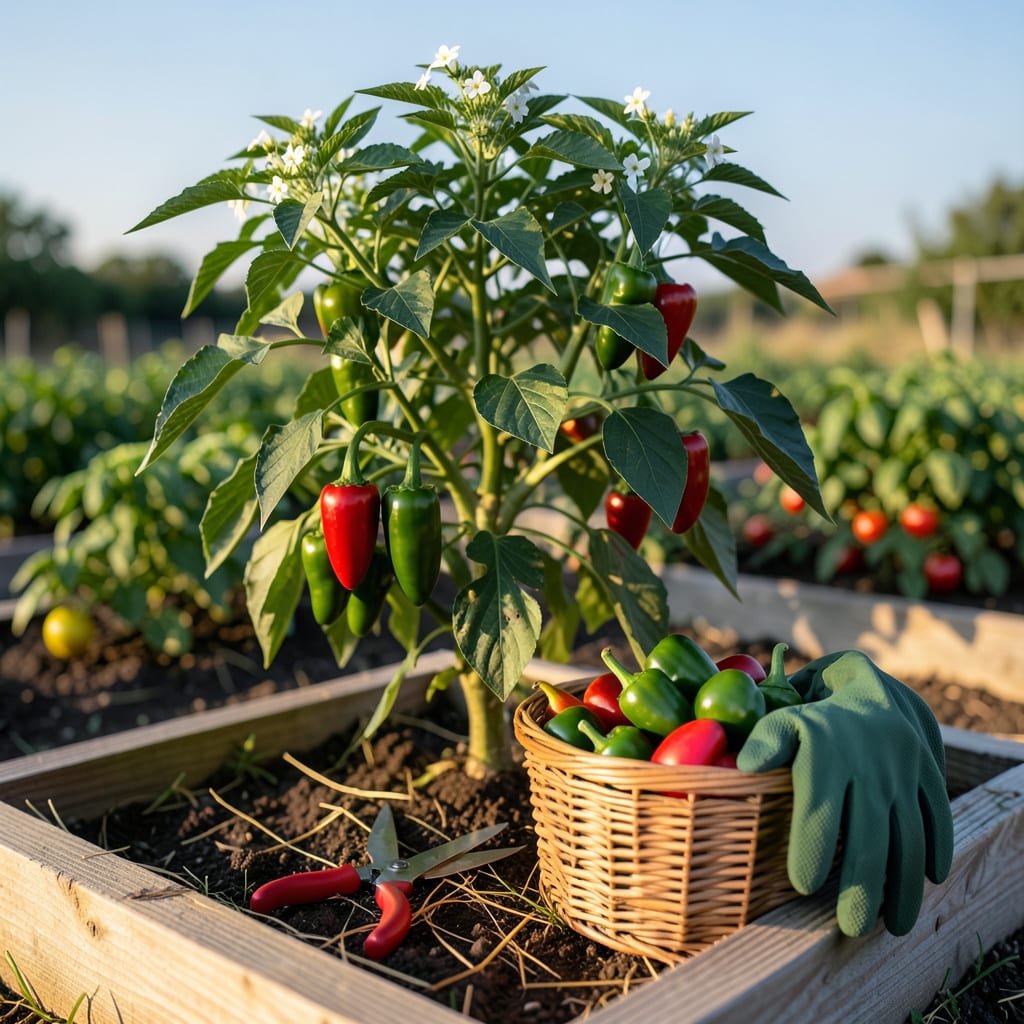
Ever cut into a jalapeño expecting bold heat, only to get a bland, grassy bite? That’s the frustration of picking too soon—or waiting too long. The difference between a perfect pepper and a disappointing one often comes down to 3 subtle signs most gardeners overlook.
I’ve ruined my share of jalapeños by guessing instead of checking. Now, I rely on a foolproof combo of color, firmness, and stem behavior to nail the harvest every time. Let me show you how to spot the sweet spot—whether you want mild green peppers or fiery red ones.


If you’re waiting for jalapeños to turn bright red before picking, you might be missing the boat. While color is important, it’s just one piece of the puzzle. I’ve learned the hard way that size, firmness, and stem behavior often tell you more about ripeness than hue alone.
Most jalapeños reach harvest readiness in 60–90 days, but that window varies by climate and care. Instead of counting days, I focus on physical cues—like a glossy skin and a slight give when squeezed. These signs ensure you’re getting the flavor and heat level you want.
| Sign | Green Jalapeños | Red Jalapeños |
|---|---|---|
| Color | Deep green, no pale streaks | Uniform bright red, no green patches |
| Size | 3–5 inches long, plump | Same as green, slightly softer |
| Firmness | Firm with slight give | Softer but not mushy |
| Stem | Detaches with gentle twist | Easier to snap off |
| Skin Texture | Glossy, not dull | Slightly wrinkled is okay |
One trick I swear by is the “fingernail test”: gently press your nail into the pepper’s skin. If it leaves a tiny dent that bounces back, it’s ready. If the skin resists or stays dented, give it 2–3 more days of sun and check again.
The stem’s behavior is another dead giveaway. A jalapeño that’s ready will separate from the plant with a clean snap when twisted gently. If you’re tugging hard or seeing white pith, it’s not quite there. I’ve ruined stems by yanking too early—now I wait for that satisfying pop.
Don’t ignore the aroma either. Ripe jalapeños emit a faint, peppery scent near the stem. No smell usually means it’s underripe, while an overly strong or fermented odor signals overripeness. I like to cup the pepper in my hands and inhale deeply—it’s a simple but effective test.
If you’re growing multiple plants, stagger your harvests. Pick a few peppers at different stages to compare flavors. I once harvested half my crop green and left the rest to redden—the difference in heat was staggering! This method lets you fine-tune future harvests to your taste.
Remember, jalapeños continue ripening after picking, but they won’t get hotter. If you need milder peppers, harvest them green and early. For maximum heat, leave them on the plant until they’re fully red. I’ve found that peppers picked in cool morning hours stay crisp longer too.
Finally, watch the plant’s overall health. If leaves start yellowing or dropping, it might be stressing from overripe fruit. In that case, harvest everything—even the less-perfect peppers—and let the plant recover. A little pruning and a balanced fertilizer can revive it for a second flush.
Timing your jalapeño harvest isn’t just about patience—it’s about observation and experimentation. The more you pick, the better you’ll get at spotting that perfect moment. And trust me, once you nail it, you’ll never settle for store-bought again! 🌶️
Ever wonder why some jalapeños make your eyes water while others taste almost sweet? The secret lies in when you pick them. Green jalapeños are milder and crisper, while red ones pack a smokier, hotter punch. But here’s the kicker: ripeness isn’t just about color—it’s about capsaicin development.
I used to think all red jalapeños were scorchers, but that’s not always true. Heat levels depend on growing conditions, variety, and even how much stress the plant faces. A jalapeño left on the vine too long in hot, dry weather can actually lose some heat. Meanwhile, one picked green might surprise you with its kick!
If you’re growing jalapeños for specific dishes, plan your harvest accordingly. Need mild peppers for stuffed jalapeños? Pick them green at 3 inches. Craving fiery hot sauce? Let them blush to red. I once left a batch on the plant during a heatwave—they turned brick-red and doubled in heat!
The capsaicin concentration spikes as jalapeños ripen, but so does their sugar content. That’s why red jalapeños taste sweeter despite being hotter. I like to harvest half my crop green and half red to cover all my culinary bases. It’s like having two different peppers on one plant!
Here’s a pro tip: Stress your plants (slightly!) for hotter peppers. Reduce watering by 20% in the final weeks before harvest. The mild stress triggers capsaicin production. Just don’t overdo it—I killed an entire plant my first year by withholding water too long. Lesson learned!
Remember, jalapeño heat isn’t just about color. A green pepper from a stressed plant can be hotter than a red one from a pampered plant. I’ve had bright green jalapeños that blew my socks off! Always taste-test a tiny piece before using a whole pepper in recipes.
For the best flavor, harvest in the early morning when temperatures are cool. The peppers will be crispest and retain their heat better. I keep a small basket by my garden gate and pick just before breakfast—it’s become my favorite part of the day. The difference in texture is noticeable!
Don’t forget that jalapeños keep ripening after picking. If you need to speed up the process, place green peppers in a paper bag with a banana. The ethylene gas will turn them red in about a week. I do this when frost threatens but my peppers aren’t quite ready.
Whether you prefer them green or red, the key is observation and experimentation. Keep notes on which peppers you pick when, and how they taste. Over time, you’ll develop a sixth sense for that perfect harvest moment—just like I did! 🌿
Even experienced gardeners can sabotage their jalapeño harvest with simple oversights. I’ve made every mistake in the book—from picking too early to letting peppers rot on the vine. The good news? These errors are easy to avoid once you know what to watch for. Let’s break down the top 3 harvest-killers and how to sidestep them.
First up: harvesting underripe peppers. It’s tempting to pick those first green jalapeños, but if they’re pale or feel rock-hard, they’ll taste grassy and bitter. I learned this the hard way when my salsa turned out more like lawn clippings than a fiesta in a bowl. Wait for that deep green color and slight give when squeezed.
Pale green peppers with no aroma or rock-hard texture lack flavor and heat. Wait for deep color and slight softness.
Wrinkled, mushy peppers with fermented smell are past their prime. Harvest red jalapeños before they develop soft spots or dull skin.
Yanking peppers damages stems and plants. Use clean scissors or twist gently until they snap off. Avoid pulling—it stresses the plant!
The second mistake is leaving peppers too long. While red jalapeños are delicious, waiting until they’re wrinkled or squishy ruins both texture and flavor. I once lost half my crop to overripeness during a heatwave. Check peppers daily once they start coloring—red jalapeños should still feel firm with slight give, not mushy.
Finally, rough handling during harvest can damage both peppers and plants. Never yank jalapeños off the vine—this tears stems and invites disease. Instead, use clean pruners or twist gently until the pepper snaps free. I keep a small pair of scissors in my garden apron for this exact reason. It’s a game-changer for plant health!
Don’t forget about post-harvest care. Jalapeños left in direct sun after picking can develop soft spots. I store mine in a paper bag in the fridge for up to 2 weeks, or string them to dry for long-term use. For immediate use, rinse with cool water and pat dry to remove any dirt or residual capsaicin.
If you notice yellowing leaves or stunted growth after harvesting, your plant might be stressed. Give it a balanced fertilizer and consistent watering to encourage a second flush. I’ve gotten up to 3 harvests from a single plant by caring for it properly between picks. It’s all about that post-harvest TLC! 🌿
Most jalapeños reach harvest readiness in 60–90 days after planting. However, this varies based on climate, soil, and care. Instead of counting days, focus on physical signs like deep color and firmness for the best results.
You can, but smaller peppers often lack full flavor and heat. Wait until they reach 3–5 inches long for the best balance. If you need mild peppers, smaller ones work, but expect less intensity in both taste and spiciness.
Green jalapeños are milder and crisper, while red ones are sweeter, smokier, and hotter. The color change indicates full ripeness, but heat also depends on growing conditions. Red jalapeños are perfect for hot sauces, while green works better for fresh dishes.
Yes! Capsaicin, the compound that makes peppers hot, can irritate your skin. Always wear gloves to avoid burning sensations, especially if you have sensitive skin. Wash your hands thoroughly afterward, even if you used gloves.
