
Beautiful Plants For Your Interior
Beautiful Plants For Your Interior
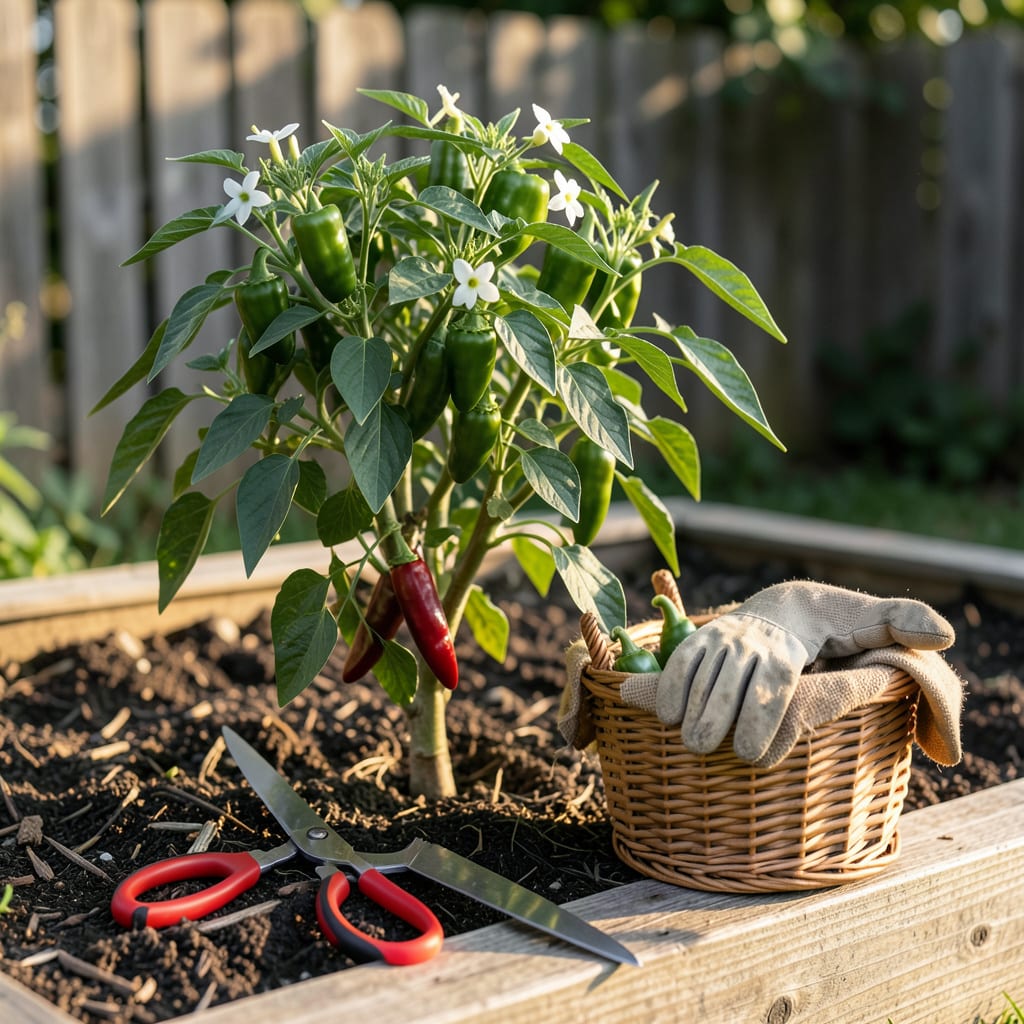
There’s nothing quite like the satisfaction of plucking a perfectly ripe 🌶️ Jalapeno Pepper from your garden—only to realize you’ve missed the ideal window. One day it’s underripe and mild, the next it’s overpowering or mushy. The difference between “meh” and “wow” often comes down to just 24 hours.
I’ve learned the hard way that timing isn’t just about size or color—it’s about texture, sheen, and even the sound it makes when tapped. Whether you want crisp green jalapeños for salsa or smoky red ones for drying, I’ll show you the foolproof signs to watch for. No more guessing games—just perfect peppers every time.


There’s nothing quite like the satisfaction of plucking a perfectly ripe jalapeño pepper from your garden. But knowing exactly when to pick can be tricky. I’ve learned that timing isn’t just about size—it’s about color, texture, and firmness too. Let’s break down the visual clues.
Most gardeners harvest jalapeños when they’re still green and glossy, typically about 2-3 inches long. But did you know you can also wait for them to turn red? The color change signals different flavor profiles and heat levels. I’ll show you how to spot the perfect moment.
| Harvest Sign | Ready Status | What It Means |
|---|---|---|
| Size | ✅ Ready | 2-3 inches long |
| Color | ✅ Ready | Deep green or bright red |
| Texture | ✅ Ready | Firm, glossy skin |
| Stem | ✅ Ready | Snaps cleanly when bent |
💡 Pro Tip: Wear gloves when harvesting—capsaicin can irritate skin!
The color stage is your biggest clue. Green jalapeños are milder, while red ones pack more heat. I usually start picking when peppers reach full size and have that glossy sheen. If they’re dull or wrinkled, they’re past their prime.
Check the stem attachment too. A ripe jalapeño will detach easily with a gentle twist. If you’re struggling to pull it off, give it another day or two. Remember, peppers grow quickly in warm weather—sometimes you’ll need to harvest every 2-3 days!
Don’t forget about size consistency. While jalapeños can vary, most mature peppers will be uniform in length. I’ve noticed that peppers growing in full sun often develop faster than those in partial shade. Keep an eye on your plants during heatwaves.
If you’re growing jalapeños for drying or smoking, consider leaving them on the plant longer. The red stage gives more complex flavors. But for fresh eating, I prefer harvesting when they’re still green but fully mature. This gives the perfect balance of heat and crispness.
Watch out for overripe peppers—they’ll develop soft spots or wrinkles. These are still usable but won’t store as well. I like to process overripe peppers immediately into hot sauce or freeze them for later use.
For the best flavor, harvest in the early morning when temperatures are cooler. This helps preserve the peppers’ crispness. Use clean, sharp pruning shears to avoid damaging the plant. Cut about 1/4 inch above the pepper to leave some stem attached.
Remember that regular harvesting encourages more production. I make it a habit to check my plants every other day during peak season. This prevents peppers from becoming overripe and signals the plant to produce more flowers. With proper care, a single jalapeño plant can yield 25-35 peppers per season! 🌿
If you’ve ever wondered why your neighbor’s jalapeños seem to thrive while yours struggle, climate and timing play a huge role. In my garden, I’ve found that USDA Zone 6 peppers hit their peak between June and August, but regional weather can shift this window dramatically.☀️
For gardeners in hotter climates like the Southwest, your jalapeños may ripen 2-3 weeks earlier than in cooler Northern zones. I always check the 75-day maturity mark from transplanting as my baseline, then adjust based on daily temperatures and sunlight exposure.🌡️
| Region | Ideal Harvest Window | Key Consideration |
|---|---|---|
| Southwest (Zones 9-11) | May-July | Early heat speeds ripening |
| Midwest (Zones 5-7) | July-September | Watch for early frost |
| Northeast (Zones 4-6) | August-October | Shorter season, use row covers |
To extend your harvest, I recommend succession planting—start new seeds every 3-4 weeks until midsummer. This ensures a steady supply rather than one overwhelming glut. In my experience, container-grown jalapeños often produce 1-2 weeks earlier than in-ground plants due to warmer soil.🪴
When cold snaps threaten, don’t panic! Jalapeños can handle light frosts if you cover them with frost cloth at night. I’ve saved many late-season peppers this way. For heatwaves, provide afternoon shade and mulch heavily to prevent stress, which can cause peppers to drop prematurely.🌿
Here’s my pro tip: Pick every 5-7 days during peak season. Regular harvesting actually stimulates more production—I’ve doubled my yield by staying consistent. Use clean pruning shears to avoid tearing stems, and always wear gloves if you’re sensitive to capsaicin!✂️
Remember that jalapeño plants will keep producing until frost kills them. In Zone 6, I’ve harvested peppers as late as mid-October by using row covers. The flavor intensifies as temperatures drop, giving your final harvest an extra kick of heat!🌶️
Getting the timing right for your jalapeño harvest isn’t just about watching the calendar—it’s about understanding how your local climate affects growth. In my Zone 6 garden, I’ve noticed peppers mature about 75 days after transplanting, but this can vary dramatically based on where you live.☀️
If you’re gardening in the hot Southwest, your jalapeños may be ready 2-3 weeks earlier than in cooler Northern regions. I always track the first flower appearance as my starting point, then count forward based on daily temperatures. Heatwaves can accelerate ripening, while cool spells may delay it.🌡️
💡 Pro Tip: Use a soil thermometer—jalapeños grow best when soil stays above 60°F!
To maximize your yield, I swear by succession planting. Start new seeds every 3-4 weeks until midsummer. This staggered approach gives you a continuous supply rather than one overwhelming harvest. In my experience, this method can extend your picking season by 4-6 weeks.🪴
When cold weather threatens, don’t give up on your peppers! A simple frost blanket can protect plants down to 28°F. I’ve harvested jalapeños well into October by covering plants at night and removing covers during the day. For heat stress, mulch with straw to keep roots cool.🌿
Here’s my golden rule: Harvest every 5-7 days during peak production. Regular picking actually triggers more flowering, which means more peppers! Always use clean pruning shears and cut stems about 1/4 inch above the pepper to avoid plant damage. And remember—gloves are your friend when handling hot peppers!✂️
During peak season, check every 2-3 days. Jalapeños grow quickly in warm weather and can go from perfect to overripe in just a few days. Morning checks are ideal since peppers are crispest after cool nights.
You can, but they’ll be milder and less flavorful. Wait until they reach at least 2 inches long for optimal taste. Small peppers are fine for pickling but lack the full jalapeño experience.
Early morning is ideal when temperatures are cooler. This preserves crispness and flavor. Avoid midday heat which can make peppers soft. Always use clean tools to prevent plant damage.
Red jalapeños are sweeter and hotter due to increased capsaicin. Green ones have a fresher, grassier flavor. The heat difference can be 2-3 times more intense in red peppers.
Overripe jalapeños develop soft spots, wrinkles, or dull skin. They’re still usable but won’t store well. Process them immediately into hot sauce or freeze for later use.
