
Beautiful Plants For Your Interior
Beautiful Plants For Your Interior
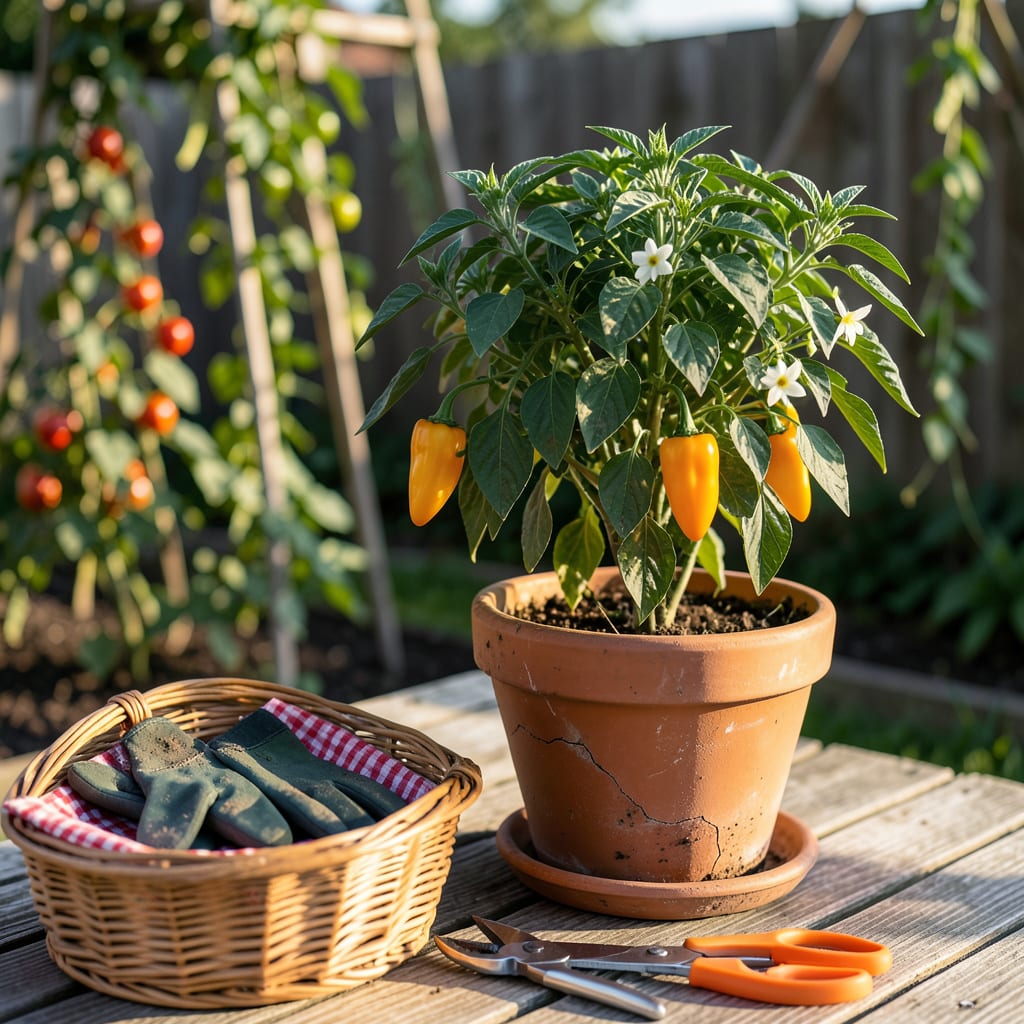
That moment when your 🌶️ Hungarian Wax Peppers are finally ready to pick—only to realize you’re not sure if they’re at their peak. Too early, and you miss out on that signature sweet-spicy balance. Wait too long, and you might get more heat than you bargained for.
I’ve learned the hard way that timing is everything with these peppers. Whether you prefer them mild and green or fully ripe with a kick, I’ll show you the exact visual cues and simple tricks to harvest them at their absolute best. Let’s get this right together.


There’s nothing more satisfying than watching your Hungarian wax peppers transform from tiny green buds to vibrant, glossy fruits. But knowing exactly when to pluck them can feel like solving a puzzle. The secret lies in observing three key indicators: color, firmness, and size.
These peppers offer a unique advantage—they’re delicious at multiple stages! You can harvest them green for milder flavor or wait for yellow/orange/red when they develop more heat. I’ll show you how to spot the perfect moment for your preferred taste profile. 🌱
| Ripeness Stage | Color | Size | Firmness | Flavor Profile |
|---|---|---|---|---|
| Early (Mild) | Pale yellow-green | 3-4 inches | Very firm | Sweet, minimal heat |
| Mid (Balanced) | Bright yellow | 4-5 inches | Firm with slight give | Tangy, medium heat |
| Fully Ripe (Hot) | Orange-red | 5-6 inches | Slightly softer | Fruity, highest heat |
✅ Pro Tip: For continuous harvest, pick peppers at different stages throughout the season.
The thumbnail test is my favorite trick for checking ripeness. Gently press your thumbnail into the pepper’s skin—if it leaves a slight indentation that bounces back, it’s ready. If the skin punctures easily, you’ve waited too long. This simple test works better than any calendar date!
Pay attention to the pepper’s glossiness too. Immature peppers have a dull finish, while ripe ones develop a shiny, almost waxy appearance (hence the name!). I like to harvest in the early morning when peppers are most crisp and hydrated.
For those growing in containers, your peppers might mature slightly faster due to warmer soil temperatures. I’ve noticed container-grown Hungarian wax peppers often reach harvest stage about 5-7 days earlier than their in-ground counterparts.
Remember that heat levels increase as the peppers mature. If you prefer milder peppers, harvest when they’re still pale yellow-green. For maximum heat, wait until they’ve turned fully orange or red. The choice is yours—just be consistent in your picking to encourage more production! 🌿
After harvesting, store peppers in a paper bag in your fridge’s crisper drawer. They’ll keep for 1-2 weeks this way. For longer storage, consider freezing or drying. I like to string them up to dry for homemade pepper flakes—just be sure to wear gloves when handling the hotter ones!
Your pepper plants will continue producing if you harvest regularly. I aim to pick peppers every 3-4 days during peak season. This prevents the plant from directing energy to ripening existing fruits instead of producing new ones. With proper care, you can enjoy Hungarian wax peppers from mid-summer until your first frost! ☀️
If you’ve ever wondered why your neighbor’s Hungarian wax peppers ripen weeks before yours, growing zones are likely the culprit. These peppers thrive in USDA zones 6-9, but their harvest windows shift dramatically based on your local climate. Let’s break down what to expect.
In cooler zones like zone 6, you’ll typically harvest from late July to early September, while gardeners in warmer zone 9 might start picking as early as June. The key difference? Soil temperature and daylight hours accelerate growth in southern regions.
💡 Pro Tip: Add 7-10 days to these ranges if your spring was unusually cool.
Heat waves can speed up ripening by 5-7 days, while unexpected cold snaps may delay it by 10-14 days. I always keep a garden journal to track these patterns year-to-year. It’s the best way to predict your personal harvest window.
For those in shorter growing seasons, consider starting seeds indoors 8-10 weeks before your last frost date. This head start often means the difference between a full harvest and just a few peppers. Container gardeners can extend their season by moving pots indoors during early frosts.
Remember that pepper plants are sensitive to temperature swings. If nights dip below 55°F, your peppers may stop ripening altogether. In this case, I recommend harvesting any mature green peppers and ripening them indoors at room temperature.
Your local microclimate matters too. Urban gardens often run 5-10°F warmer than rural areas, while coastal gardens may have more moderate temperatures. When in doubt, watch your plants—not the calendar—for the best harvest timing. 🌱
Even experienced gardeners sometimes sabotage their Hungarian wax pepper harvest without realizing it. The most common mistake? Picking too early when peppers look ready but haven’t developed their full flavor. Those pale yellow-green peppers might look tempting, but they’re missing the complex sweetness that comes with just a few more days on the plant.
On the flip side, waiting too long creates its own problems. Overripe peppers become soft and mushy, losing that perfect crisp texture we all love. I’ve found the thumbnail test is your best defense—if your nail leaves a permanent dent, you’ve missed the ideal window. The sweet spot is when the indentation springs back slightly.
💡 Pro Tip: Always wear gloves when harvesting hot peppers to avoid skin irritation.
Another critical error is ignoring plant stress signals. If your pepper leaves are yellowing or dropping, the plant is telling you it’s struggling. Stress can cause peppers to ripen unevenly or develop bitter flavors. I check my plants daily during harvest season, looking for signs like drooping leaves or blossom drop, which indicate it’s time to adjust watering or add shade.
Many gardeners don’t realize that inconsistent watering leads to cracked peppers and poor texture. These peppers need even moisture—about 1-2 inches per week. I use a simple finger test: if the top inch of soil feels dry, it’s time to water. Mulching with straw helps maintain consistent moisture levels while preventing soil-borne diseases from splashing onto fruits.
To extend your harvest window, remove any diseased or damaged peppers immediately. These can drain the plant’s energy and spread problems to healthy fruits. I also recommend fertilizing lightly every 2-3 weeks during harvest season with a balanced 10-10-10 fertilizer. This keeps the plant productive without encouraging excessive leaf growth at the expense of pepper production. 🌿
Finally, don’t forget about post-harvest handling. Never wash peppers until you’re ready to use them—moisture speeds up spoilage. Store them in a paper bag in your fridge’s crisper drawer, where they’ll keep for up to two weeks. For longer storage, freeze whole peppers on a baking sheet before transferring to bags. This preserves both flavor and heat level beautifully. ☀️
Check for pale yellow-green color and firm, unyielding skin. If the stem end is still green or the pepper feels hard as a rock, it needs more time. These immature peppers will lack the signature sweet-spicy balance.
Early morning is ideal when plants are fully hydrated. Avoid midday heat when peppers may wilt. I always bring a small basket and sharp scissors to make clean cuts without damaging the plant.
Green Hungarian wax peppers are milder and crunchier. They’re perfect for fresh eating or pickling. Just ensure they’ve reached full size (3-4 inches) and have that characteristic waxy sheen.
During peak season, inspect plants every 2-3 days. These peppers can ripen quickly, especially in warm weather. Regular harvesting actually encourages more production, so don’t be shy about picking frequently!
Red peppers are fully mature with maximum heat. They’re great for drying or cooking if you prefer spicier flavors. Just harvest promptly as overripe peppers may become soft. Store them separately from milder ones.
