
Beautiful Plants For Your Interior
Beautiful Plants For Your Interior
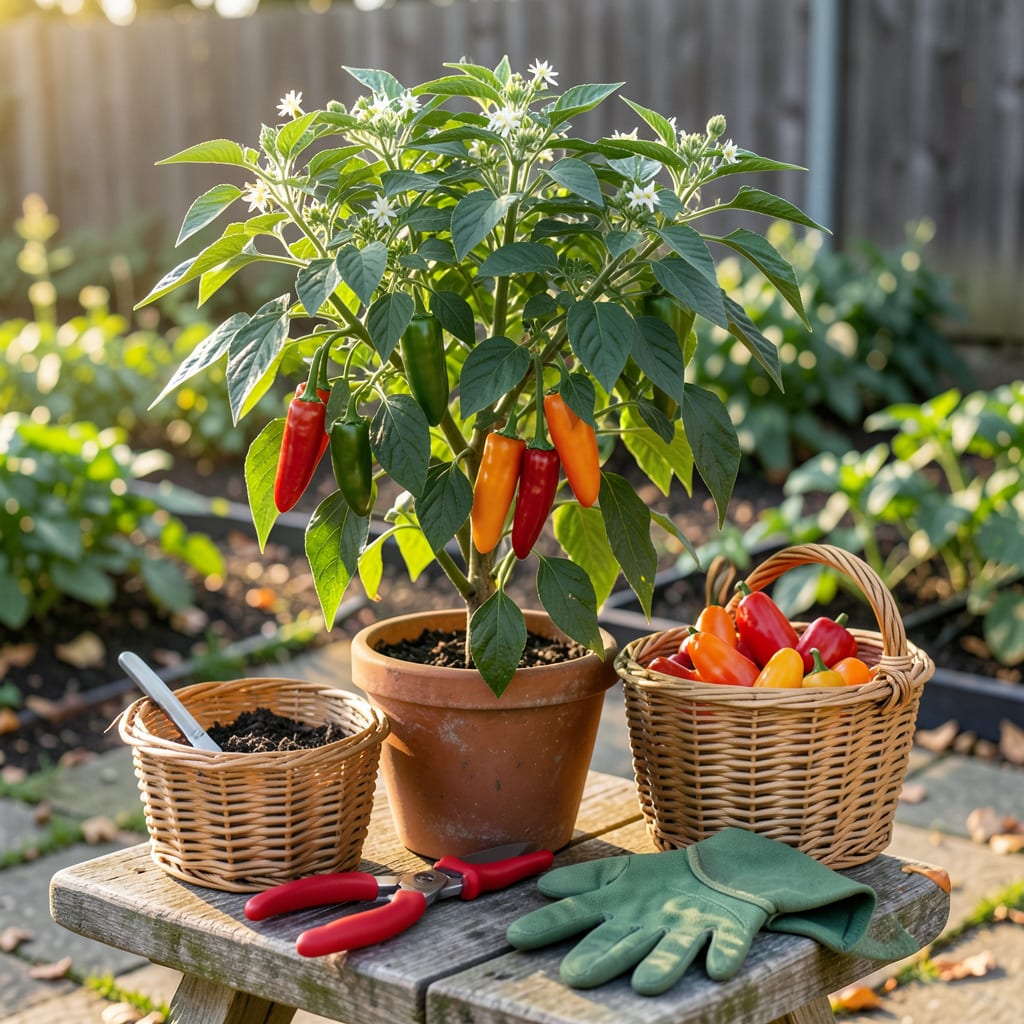
There’s nothing worse than waiting months for your 🌶️ Hot Peppers to ripen, only to pick them too soon—or too late. That perfect balance between vibrant color and fiery heat can feel like a guessing game if you don’t know what to look for.
I’ve learned the hard way that timing is everything when it comes to harvesting. From subtle color shifts to that telltale firmness, I’ll show you exactly how to spot the perfect moment—so every pepper delivers maximum flavor and kick to your dishes.


Nothing beats the satisfaction of growing your own hot peppers, but knowing exactly when to harvest can be tricky. I’ve seen gardeners pull peppers too early, missing out on that bold, spicy flavor. The secret lies in watching for subtle changes in color, texture, and size.🌱
Different varieties like jalapeños, habaneros, and cayennes have unique ripeness cues. A fully ripe pepper isn’t just about color—it’s about firmness, aroma, and even how easily it detaches from the plant. Let’s break down what to look for so you never second-guess your harvest again.
| Variety | Color at Ripeness | Size Benchmark | Texture & Aroma |
|---|---|---|---|
| Jalapeño | Deep green to bright red | 2-3 inches long | Firm, glossy, slight sweetness |
| Habanero | Vibrant orange or red | 1-2 inches wide | Waxy skin, fruity aroma |
| Cayenne | Bright red | 4-6 inches long | Thin skin, crisp snap |
| Serrano | Green to red | 1-2 inches long | Firm, slightly sticky |
Tip: Always use pruning shears or twist gently to avoid damaging the plant.
For jalapeños, the shift from green to red signals peak ripeness, but they’re still edible when green. However, their heat level doubles as they mature. Habaneros, on the other hand, must turn fully orange or red—their signature citrusy aroma becomes stronger at this stage.🌿
Texture matters just as much as color. A ripe pepper should feel slightly soft when gently squeezed, almost like a firm tomato. If it’s rock-hard, it’s not ready. The skin should also look glossy and smooth, not dull or wrinkled. This is especially true for thinner-skinned varieties like cayennes.
Don’t overlook the stem and calyx (the green cap at the top). When peppers are ready, the stem snaps cleanly with a slight twist. If it resists or bends, give it a few more days. I also check the calyx—if it’s starting to dry or curl slightly, that’s a good sign the pepper is mature.☀️
Size is another reliable indicator. Most peppers reach their full-size potential before fully ripening. For example, a serrano should be at least 1-2 inches long before you consider picking it. If it’s undersized, it likely needs more time, even if the color looks right. Always cross-check size with color and texture.
Finally, trust your nose! Ripe peppers often emit a sweet, slightly spicy aroma, especially habaneros and Scotch bonnets. If you don’t smell anything, it’s probably not ready. This is my go-to trick for varieties where color changes are subtle, like some Thai chilies that stay green even when ripe.🪴
Remember, the longer a pepper stays on the plant, the hotter it gets. If you prefer milder heat, harvest earlier. For maximum spice, wait until it’s fully colored and slightly soft. Just don’t wait too long—overripe peppers can become mushy or attract pests.
Once you’ve mastered these signs, you’ll never wonder, “Is it ready?” again. Your peppers will be packed with flavor, and your dishes will thank you. Now, grab those gardening gloves (trust me, capsaicin burns!) and start harvesting like a pro!✂️
Ever wonder why your homegrown peppers sometimes taste milder than store-bought? The secret is all in the timing. I’ve tested this myself—harvest stage dramatically changes both heat and flavor. A green jalapeño might be crisp, but a red one packs twice the punch!🌱
The magic happens thanks to capsaicin development, which peaks as peppers ripen. But there’s more to it than just heat—flavor compounds like sugars and fruity notes also evolve. Let’s break down how each stage transforms your peppers, so you can pick for your perfect balance of spice and taste.
At the green stage, peppers are crisp and vegetal, with minimal capsaicin. This is ideal if you want mild heat—think stuffing jalapeños or pickling serranos. The flavor is fresh and grassy, perfect for raw applications where you don’t want overwhelming spice.☀️
The breaker stage (when peppers start changing color) is where things get interesting. Capsaicin levels rise sharply, and sugars begin developing. You’ll notice a sweetness emerging alongside the heat. This is my favorite stage for habaneros—they’re hot but still have that bright, citrusy tang.
Fully ripe peppers (red, orange, or yellow) are where maximum heat and complexity shine. The capsaicin is at its peak, but so are the fruity, smoky notes. A red cayenne isn’t just hotter—it’s richer and more aromatic. The trade-off? They’re softer and don’t store as long.🌿
Here’s a pro tip: If you’re drying peppers, harvest at full ripeness. The concentrated sugars and capsaicin create deeper flavors. For fresh use, breaker stage often gives the best balance. And if you love fermenting (like for hot sauce), fully ripe peppers develop the most complex funk during fermentation.✂️
Even experienced gardeners can ruin a perfect pepper harvest with simple mistakes. I’ve made them all—picking too early, using the wrong tools, or mishandling peppers post-harvest. These errors can mean bland flavors, wasted crops, or even skin irritation from capsaicin.🌱
The good news? Most mistakes are easily avoidable once you know what to watch for. From timing blunders to improper cutting techniques, I’ll show you the top 3 pitfalls and how to sidestep them. Your peppers (and your hands) will thank you!
*Bonus Tip: Harvest in the morning when peppers are crispest and capsaicin levels peak.
Timing is everything. I once harvested a batch of habaneros too early because I was eager to use them. Big mistake! They were mild and grassy-tasting. Now I wait until they’re fully orange and slightly soft—that’s when the magic happens. On the flip side, leaving peppers too long can attract pests or cause rot.☀️
Your cutting technique matters more than you think. I used to yank peppers off by hand, which often damaged the plant. Now I either use clean pruners or give a gentle twist while supporting the stem. This prevents tearing and keeps the plant productive. For thick-stemmed varieties like jalapeños, pruners are a must to avoid jagged breaks.
Here’s a mistake I see all the time: not wearing gloves. Capsaicin doesn’t just burn your mouth—it’ll irritate your skin, especially if you have cuts. I learned this the hard way after rubbing my eyes post-harvest (ouch!). Now I keep a box of nitrile gloves in my gardening kit. Pro tip: Wash tools and gloves with soapy water after use to remove oils.🪴
Post-harvest handling is where many gardeners drop the ball. Never toss peppers in a pile—they bruise easily. Instead, lay them in a single layer in a breathable container. If you’re not using them immediately, store in the fridge’s crisper drawer (unwashed) for up to 2 weeks. For long-term storage, drying or freezing works best.
Remember, every pepper variety has its quirks. Thin-skinned peppers like cayennes need extra gentle handling, while thick-walled habaneros can tolerate a bit more pressure. When in doubt, err on the side of caution—your plants will reward you with more peppers next season!✂️
Overripe peppers often feel mushy when gently squeezed and may develop wrinkled skin. The color can also appear dull rather than vibrant. If the pepper detaches with almost no resistance, it’s likely past its prime.
Many varieties like jalapeños are edible green, though they’ll be milder. Green peppers have a crisp, vegetal flavor perfect for pickling or fresh use. Just know they won’t reach full heat potential until fully colored.
Morning is ideal, right after the dew dries but before temperatures peak. Peppers are crispest and most flavorful at this time. Avoid harvesting in extreme heat or after rain when plants are stressed.
For short-term use, store unwashed peppers in a paper bag in your fridge’s crisper drawer for up to 2 weeks. For long-term storage, dry them in a well-ventilated area or freeze whole (no blanching needed).
Varietal differences and growing conditions affect ripening speed. Hotter varieties like habaneros often take longer than jalapeños. Sun exposure, water stress, and temperature also play roles. Don’t compare different varieties side by side.
