
Beautiful Plants For Your Interior
Beautiful Plants For Your Interior
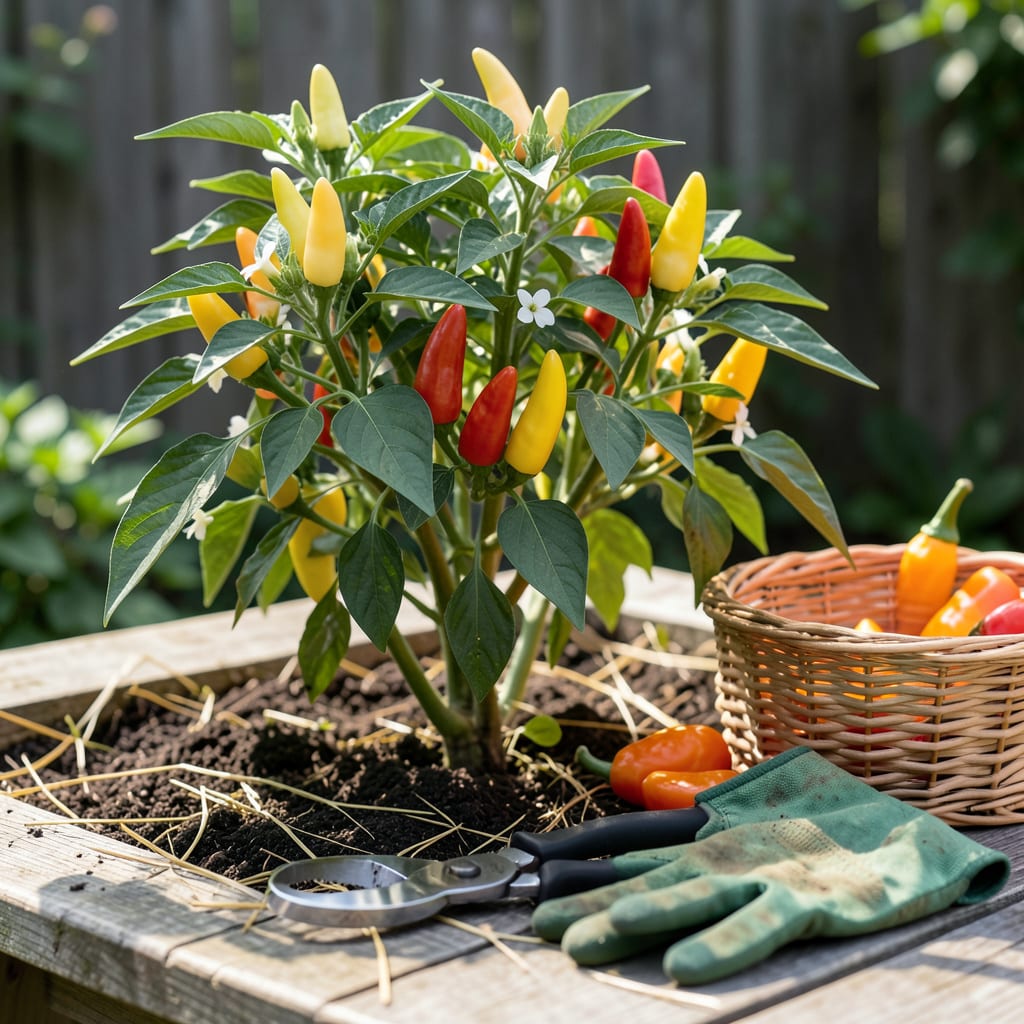
That moment when your Hot Banana Pepper plant is bursting with vibrant pods—but are they actually ready? Picking too soon means missing out on that signature tangy heat, while waiting too long risks overripe bitterness. I’ve been there, staring at my 🌶️ Hot Banana Peppers wondering if today’s the day.
The difference between a good harvest and a perfect one comes down to timing. We’ll break down the exact visual cues and seasonal sweet spots for Zone 6a gardeners, so you’ll know precisely when to pluck those peppers for maximum flavor and yield. No guesswork—just garden-fresh confidence.


Nothing beats the satisfaction of plucking a Hot Banana Pepper at its peak—when the flavor is bold and the heat is just right. But how do you know when that perfect moment arrives? I’ve learned it’s all about watching for specific visual and tactile cues that signal ripeness.
First, look for that signature bright orange hue—this is the classic indicator that your peppers are ready. But color isn’t the only clue. The skin should feel slightly glossy and firm, with just a little give when you press it gently. If it’s rock-hard or dull, it’s not quite there yet.
Timing matters too. In Zone 6a, Hot Banana Peppers typically reach maturity 60-70 days after planting. If you planted in late May, expect to harvest around mid-July. But don’t rely solely on the calendar—check the peppers daily once they start changing color.
Here’s a pro tip: If you prefer milder flavor, pick them when they’re still yellow-orange. For maximum heat, wait until they turn deep red. I’ve found that peppers left on the plant longer develop a richer, spicier profile—perfect for drying or pickling.
Don’t forget to inspect the stem connection. A ripe pepper will detach with a gentle twist, but if it resists, it’s not ready. Use clean pruners to avoid damaging the plant, especially if you’re harvesting multiple peppers at once.
If you’re unsure, taste-test a single pepper first. Slice a tiny piece—if it’s crisp with a balanced tangy heat, the rest are likely ready. Avoid picking peppers that are soft or wrinkled; these are overripe and may taste bitter.
Harvesting regularly encourages more production. I aim to pick peppers every 3-5 days during peak season. This prevents the plant from diverting energy to overripe fruit and instead focuses on new growth.
After picking, store peppers in a cool, dry place for up to a week, or refrigerate them in a paper bag for 10-14 days. For long-term use, consider freezing or dehydrating—both methods preserve that garden-fresh flavor beautifully.
Remember, the more you harvest, the more your plant will produce. So don’t hesitate—once those peppers hit their prime, it’s time to enjoy the fruits of your labor! 🌱
Timing your harvest isn’t just about color—it’s about flavor evolution. Hot Banana Peppers transform dramatically as they ripen, offering different taste profiles at each stage. I’ve found that understanding these stages helps me decide whether to pick early for mild tang or wait for fiery heat.
In Zone 6a, you’ll typically see peppers progress from green to yellow to orange and finally red over 60-90 days. Each color shift signals changes in sweetness, acidity, and capsaicin levels. Let’s break down what to expect—and when to pick for your preferred flavor.
Many gardeners make the mistake of waiting for full red every time, but that’s only ideal if you love maximum heat. For a milder experience, I harvest most of mine at the orange stage—it’s the sweet spot for both flavor and versatility in the kitchen.
Watch the weather too. If temperatures drop below 50°F, peppers may stop ripening. In that case, harvest all mature peppers (even green ones) and ripen them indoors in a paper bag with a banana to speed up the process.
For continuous production, I harvest every 3-4 days during peak season. This prevents the plant from focusing energy on overripe fruit and instead encourages new blossoms. Use sharp pruners to avoid tearing the stems, which can invite disease.
If you’re saving seeds, let a few peppers turn fully red on the plant. Their seeds will be more viable for next season. Just remember: the longer you wait, the hotter they get—so adjust your harvest timing to match your heat tolerance! 🌿
You’ve watched your Hot Banana Peppers transform from tiny green buds to vibrant orange beauties—now it’s time to harvest them like a pro. The way you pick and handle them can make all the difference in flavor, shelf life, and even next season’s yield. I’ve refined my technique over the years, and these tips will help you get it right every time.
First, always use clean, sharp pruners or scissors to avoid tearing the plant. Grab the pepper gently and snip the stem about ¼ inch above the fruit. This prevents damage to the plant and reduces the risk of disease. If you’re harvesting just a few, twisting them off by hand works too—just give a firm, quick twist until the stem snaps cleanly.
Harvest in the morning when peppers are crisp and hydrated. Avoid picking after rain or overhead watering—excess moisture can lead to mold during storage. For continuous production, pick every 3-4 days to encourage new growth!
Once harvested, handle peppers with care to avoid bruising. I like to place them in a single layer in a shallow basket or tray—never pile them up, as this can cause soft spots. If you’re not using them immediately, store them in the crisp drawer of your fridge in a paper bag (not plastic) for up to 2 weeks.
For long-term storage, freezing is my go-to method. Simply wash, dry, and spread peppers on a baking sheet to freeze individually before transferring to a bag. They’ll keep for 6-8 months without losing much heat. Dehydrating is another great option—slice peppers thinly and dry at 135°F for 6-8 hours until brittle. Store dried peppers in an airtight container for up to a year.
If you love pickled peppers, harvest them at the yellow-orange stage for the best texture. For fresh eating or drying, wait until they’re fully orange or red. And here’s a bonus tip: leave a few peppers on the plant to turn red and save their seeds for next year—just scoop them out, dry them on a paper towel, and store in a cool, dark place.
Finally, don’t forget to inspect your plants after harvesting. Remove any damaged leaves or peppers to keep the plant healthy. A little post-harvest care goes a long way in extending your pepper season—sometimes I get a second flush of peppers in early fall! 🌿
Check your plants every 1-2 days once they start changing color. Hot Banana Peppers ripen quickly in warm weather, and daily inspection ensures you catch them at peak ripeness. Missing the ideal window by just a day can mean less flavor or increased bitterness.
Yes, but they’ll be milder and grassier in flavor. Green peppers are great for pickling or fresh salads if you prefer less heat. For the classic tangy-sweet taste, wait until they turn yellow-orange. Picking green peppers won’t harm the plant, but it reduces seed viability for next season.
Early morning is ideal when peppers are crisp and hydrated. Avoid harvesting after rain or overhead watering, as excess moisture can lead to mold. The cooler morning temperatures also help peppers retain firmness during storage. I always bring a small basket to prevent bruising.
Overripe peppers become soft, wrinkled, or dull in color. They may develop bitter flavors or mushy textures. If you notice the skin losing its glossy sheen or the pepper feeling squishy, it’s past its prime. These are still usable for cooking but won’t have that perfect crunch.
Harvesting every 3-4 days encourages the plant to produce more blossoms. When you leave mature peppers on the plant, it signals the plant to stop producing. Regular picking redirects energy to new growth, often extending your harvest season by several weeks.
