
Beautiful Plants For Your Interior
Beautiful Plants For Your Interior
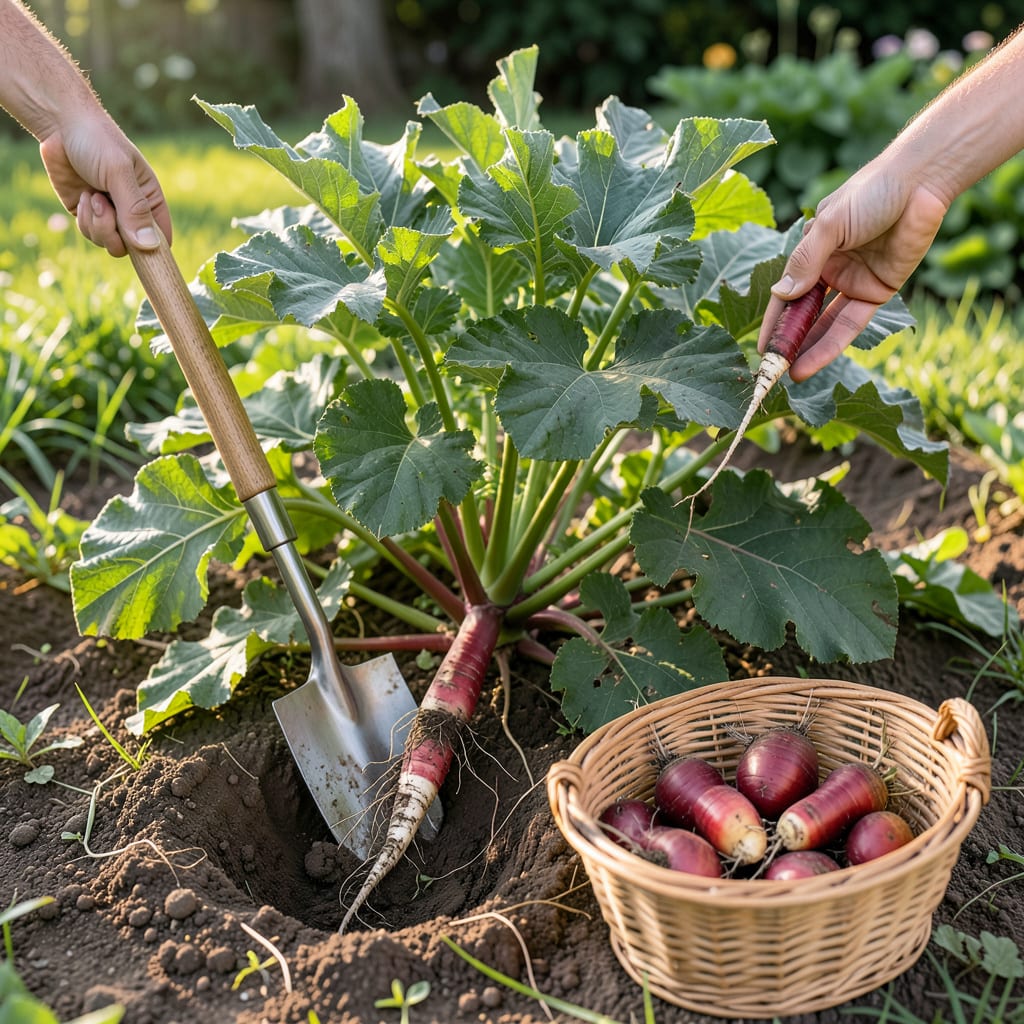
Timing your horseradish harvest perfectly ensures a pungent, flavorful root that elevates your dishes. Picking too early or too late can result in a bland or overly woody texture.
I’ll show you the best seasonal signs to look for with 🥬 Horseradish. Whether you’re a beginner or seasoned gardener, these tips will help you harvest at the peak of flavor.


I’ve found that timing is everything when it comes to harvesting horseradish root. The best window is typically late fall or early winter, right after the first frost. This cold snap helps break down the plant’s starches into sugars, boosting its signature pungency.
In warmer climates, you can also harvest in early spring before new growth starts. The key is to wait until the leaves begin yellowing and dying back naturally.
| Stage | Action |
|---|---|
| Late Fall | Harvest after first frost |
| Early Winter | Before ground freezes |
| Early Spring | Before new growth appears |
| USDA Zones 3-9 | Ideal for fall harvest |
For most gardeners in USDA zones 3-9, the ideal harvest window is October through November. The first light frost signals that it’s time to dig up those roots. I always check the 10-day forecast to ensure I don’t miss this crucial moment.
If you live in a milder climate, you might get away with harvesting as late as December. Just be sure to get the roots out of the ground before a hard freeze sets in, as this can make digging difficult.
In spring harvests, aim for March or early April. The plant is still dormant, so the roots retain their peak flavor from the previous growing season. This is also a great time to divide and replant some of the roots for next year’s crop.
I’ve noticed that horseradish roots left in the ground too long can become woody and tough. If you see new green shoots emerging in spring, that’s your cue to harvest immediately before the plant redirects its energy into leaf growth.
The size of the root matters too. A mature horseradish root should be 8-12 inches long and about 1-2 inches thick. Smaller roots haven’t developed their full pungent flavor, while oversized ones may be fibrous.
Another sign is the condition of the leaves. When they start to yellow and wilt, it’s nature’s way of telling you the root is ready. This usually happens after that first light frost, which is why fall is the prime harvesting season.
If you’re unsure, do a test dig. Gently uncover the top of a root and check its size and firmness. A ready horseradish root will feel solid and heavy in your hand, not soft or spongy.
Remember, the longer you wait after the first frost, the sweeter and more pungent your horseradish will be. But don’t wait too long—once the ground freezes, you’ll have to postpone until spring. 🌱
Knowing when your horseradish roots are ready for harvest comes down to a few key visual cues. The most reliable sign is yellowing and wilting leaves, which typically occurs after the first frost in late fall.
I always check the root size too. A mature horseradish should be 8-12 inches long and 1-2 inches thick. Smaller roots lack the full pungent flavor, while oversized ones may become fibrous and tough.
Another clear indicator is the firmness of the root. When gently pressed, a ready horseradish should feel solid and heavy, not soft or spongy. This firmness indicates that the root has stored enough nutrients.
I also recommend doing a test dig. Carefully uncover the top of a root to check its size and condition. If it meets the size and firmness criteria, it’s ready to harvest. Avoid waiting until the plant goes to seed, as this can reduce root quality.
In spring harvests, look for new shoots just beginning to emerge. This is your signal to dig before the plant starts redirecting energy into leaf growth, which can make the roots less flavorful.
The aroma test is my favorite final check. Cut a small piece of the root—if it releases a strong, pungent smell, it’s at peak readiness. Weak aroma means it needs more time in the ground. 🌱
I’ve learned the hard way that harvesting horseradish too early or too late can ruin its flavor and texture. Picking before the first frost often results in a mild, underdeveloped root lacking that signature kick.
If you wait until after a hard freeze, the ground becomes rock-solid, making digging nearly impossible. The roots may also split or rot if left too long, especially in wet conditions.
⚠️ Warning: Harvesting too early means weak flavor, while waiting too long risks woody, tough roots. Always aim for that post-frost window in late fall.
Early harvesting often gives you small, thin roots that haven’t stored enough volatile oils. These are the compounds that give horseradish its bold, spicy taste, and they develop best after frost exposure.
On the other hand, leaving roots in the ground too long can cause them to become fibrous and bitter. I once waited until December in a mild winter, and the roots were tough and stringy—not ideal for grating.
If you do harvest at the wrong time, don’t despair. Undersized roots can still be used but may need more grating to release their flavor. Overmature roots can be peeled and soaked to soften them slightly before use. 🌱
Mature roots are typically 8-12 inches long and 1-2 inches thick. Smaller roots lack full pungency, while oversized ones may turn fibrous.
Yes, in early spring before new shoots appear. Dig roots while the plant is still dormant to preserve peak flavor from the previous season.
Overripe roots become woody and stringy. Check for hard freeze damage or splitting. A weak aroma when cut also signals they’ve passed their prime.
Yes! The first light frost converts starches to sugars, creating that signature sharp, pungent taste. This is why late fall is ideal for most regions.
