
Beautiful Plants For Your Interior
Beautiful Plants For Your Interior
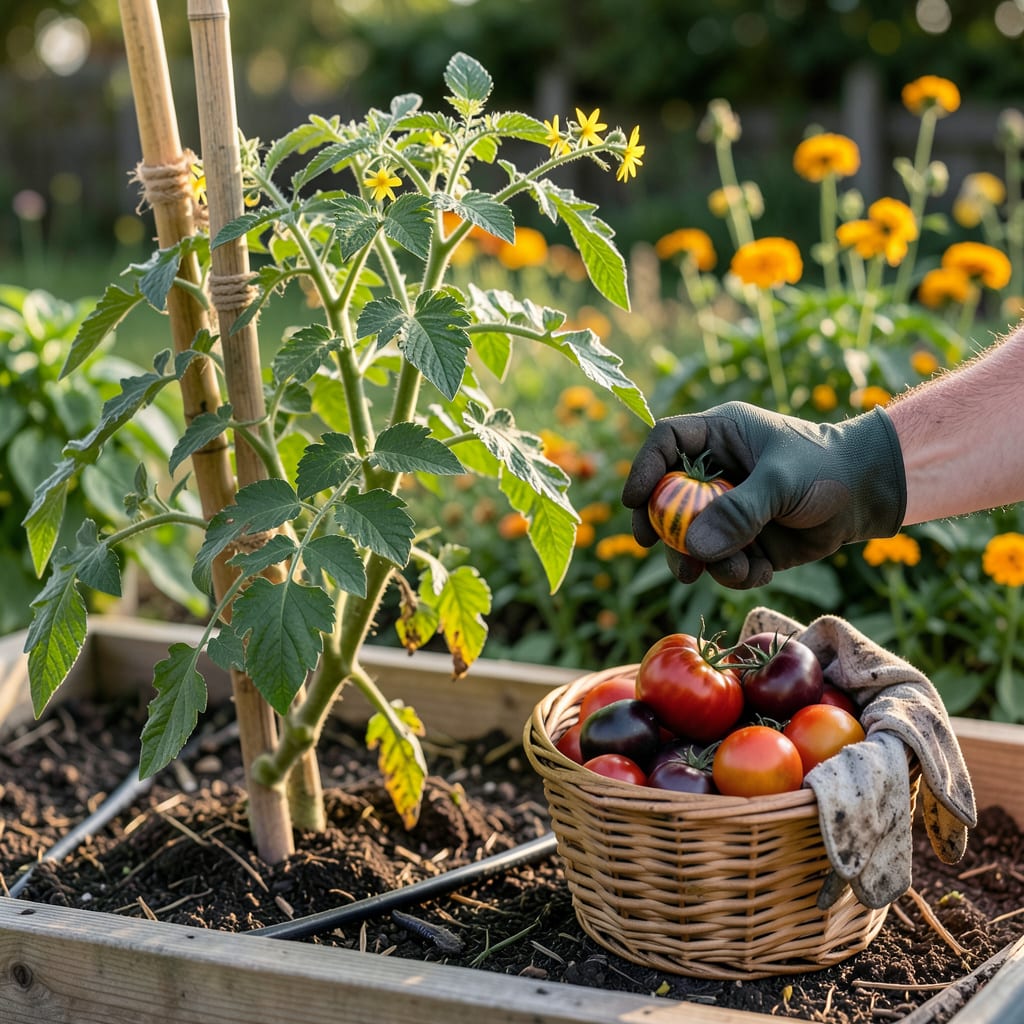
Nothing beats the taste of a sun-warmed heirloom tomato straight from your garden—but knowing exactly when to pluck it can feel like a guessing game. Those vibrant colors and unique shapes don’t always follow the same rules as store-bought varieties, and picking too soon (or too late) means missing out on that perfect burst of flavor.
I’ve spent seasons fine-tuning the art of harvesting heirlooms, from deep purple Black Krims to golden Yellow Pears. The secret? It’s all in the subtle cues—color shifts, gentle give, and even the way they detach from the vine. Let me show you how to spot those foolproof signs so you never second-guess your harvest again.


Heirloom tomatoes don’t follow the same rules as their hybrid cousins. That perfect moment to pick isn’t just about color—it’s a mix of texture, aroma, and ease of separation from the vine. I’ve learned the hard way that waiting for that “just right” stage makes all the difference in flavor.
Unlike grocery store tomatoes bred for shelf life, heirlooms ripen from the inside out. That means you’ll need to rely on more than just looks. Let’s break down the five foolproof signs I use every season to ensure my harvest is bursting with sweetness and juiciness.
Here’s a pro tip I swear by: Harvest in the morning. Tomatoes picked after a cool night are firmer and sweeter, with less risk of splitting from midday heat. I keep a basket by the garden gate and make it my first task with my coffee in hand.
If you’re growing in humid climates, watch for cracks or splits—these signal overripeness. I’ve found that picking heirlooms just before full ripeness in high humidity prevents this. They’ll finish ripening perfectly on your countertop.
Don’t forget the “squeeze test”: Gently press the tomato with your palm. It should yield slightly, like a ripe avocado. Too soft? It’s past its prime. Too firm? Give it another 24–48 hours on the vine.
For varieties like Cherokee Purple or Paul Robeson, color isn’t always obvious. I use the “paper bag trick” for borderline tomatoes: Place them in a bag with a banana to speed ripening. The ethylene gas works wonders!
Remember, heirlooms ripen unevenly. That’s part of their charm! Don’t wait for every tomato on the vine to be ready—pick them as they mature. I often harvest staggered batches over a week or two from a single plant.
Finally, trust your instincts. After a few seasons, you’ll recognize that perfect balance of color, texture, and aroma. And if you accidentally pick one too early? No worries—just place it on a sunny windowsill to ripen further. Happy harvesting! 🌿
Heirloom tomatoes don’t play by the same rules as their hybrid cousins—what looks unripe might actually be perfect! A Green Zebra stays green when ready, while a Cherokee Purple deepens to a dusky rose. The key is knowing your variety’s unique color cues.
I’ve found that color intensity matters more than the shade itself. A ripe Brandywine isn’t just pink; it’s a rich, almost glowing pink with a slight blush. And those quirky stripes on a Tigerella? They’ll turn bright red when it’s time.
| Variety | Ripe Color | Texture Cue |
|---|---|---|
| Black Krim | Deep purple-brown | Soft with glossy skin |
| Brandywine | Rosy pink (not red!) | Yields to gentle pressure |
| Green Zebra | Bright green with dark stripes | Firm but slightly springy |
| Cherokee Purple | Dusky purple with green shoulders | Heavy for its size |
| Yellow Pear | Golden yellow (no green) | Easily snaps from vine |
*Pro tip: Heirlooms often ripen from the inside out—check the bottom for color changes!
Humidity can trick you! In damp climates, I pick heirlooms slightly early to avoid splitting. A Black Krim might crack overnight if left too long. For Green Zebras, watch for a slight yellow tint at the blossom end—it’s subtle but tells you it’s ready.
Don’t rely on size alone. A Cherokee Purple might stay small but pack intense flavor. Instead, check the shoulders (near the stem). If they’ve lost their hard green edge, you’re close. And always do the squeeze test: gentle pressure should leave a faint indentation.
Morning is prime picking time. Tomatoes harvested then retain more moisture and flavor. If you’re unsure, twist gently—if it resists, wait a day. Heirlooms taste best when they come off the vine with minimal effort, like a sun-ripened handshake.
Still unsure? Let a few sacrificial tomatoes ripen fully on the vine as testers. Once you’ve nailed the color and texture for your variety, you’ll spot the perfect moment every time. Trust me, your taste buds will thank you! 🌿
Even seasoned gardeners can sabotage their heirloom tomato harvest with a few simple missteps. I’ve made my share of errors—like waiting too long for that “perfect” red or picking after a rainstorm—only to end up with mealy, cracked, or flavorless fruit. The good news? These mistakes are easy to fix once you know what to watch for.
One of the biggest blunders I see is harvesting too early for shelf life. Heirlooms aren’t bred for shipping; they’re all about flavor and texture. Picking a Brandywine when it’s still firm and pale means you’ll miss out on its legendary sweetness. Wait for that gentle give and rich color—it’s worth it!
*Fix it: Harvest in the early morning, use the twist-and-lift method, and check daily in hot weather!
Another common issue is overlooking the stem. If you’re yanking tomatoes off the vine, you’re doing it wrong. A ripe heirloom should detach with a gentle twist. Forcing it can damage the plant and leave you with an unripe fruit. I keep a pair of clean pruning shears handy for stubborn stems—just snip the vine ½ inch above the tomato.
Climate plays a huge role too. In humid areas, I’ve learned to pick heirlooms a day early to prevent cracking. Varieties like Black Krim are especially prone to splitting. If you spot tiny cracks, harvest immediately—those tomatoes won’t store well. Place them in a cool, dark spot and use them within 24 hours for the best flavor.
Finally, don’t underestimate the post-harvest handling. Never refrigerate heirlooms—it turns their texture grainy and mutes their flavor. Instead, store them stem-side down on your counter, away from direct sunlight. If you must speed up ripening, place them in a paper bag with a banana (the ethylene gas helps). And always wash them just before eating—not before storing—to preserve their natural protective coating.
Remember, heirlooms are forgiving but finicky. Even if you make a mistake, most can be salvaged—underripe ones ripen indoors, and overripe ones make incredible sauce. The more you harvest, the better you’ll get at spotting that golden moment of perfection. Now go enjoy the fruits of your labor! 🪴
Green heirlooms like Green Zebra develop subtle cues when ripe. Look for a slight yellow tint at the blossom end and glossy skin instead of a matte finish. They’ll also feel heavier and detach easily with a gentle twist.
Always pick in the early morning when temperatures are cool. Tomatoes harvested then retain more moisture and sugar content, giving you the best flavor. Avoid afternoon picking—heat stress can make them soft and mealy.
Yes! Place underripe tomatoes in a paper bag with a banana at room temperature. The ethylene gas speeds ripening. Check daily—they’ll be ready in 2–5 days. Avoid refrigeration, as it ruins texture and flavor.
Cracking usually happens from uneven watering or high humidity. In damp climates, harvest slightly early to prevent splits. Varieties like Black Krim are especially prone—pick at the first sign of tiny cracks.
Store at room temperature, stem-side down, away from direct sunlight. Most last 3–5 days this way. For longer storage, use within 24 hours if cracked or overripe. Never refrigerate—it turns them mealy!
