
Beautiful Plants For Your Interior
Beautiful Plants For Your Interior
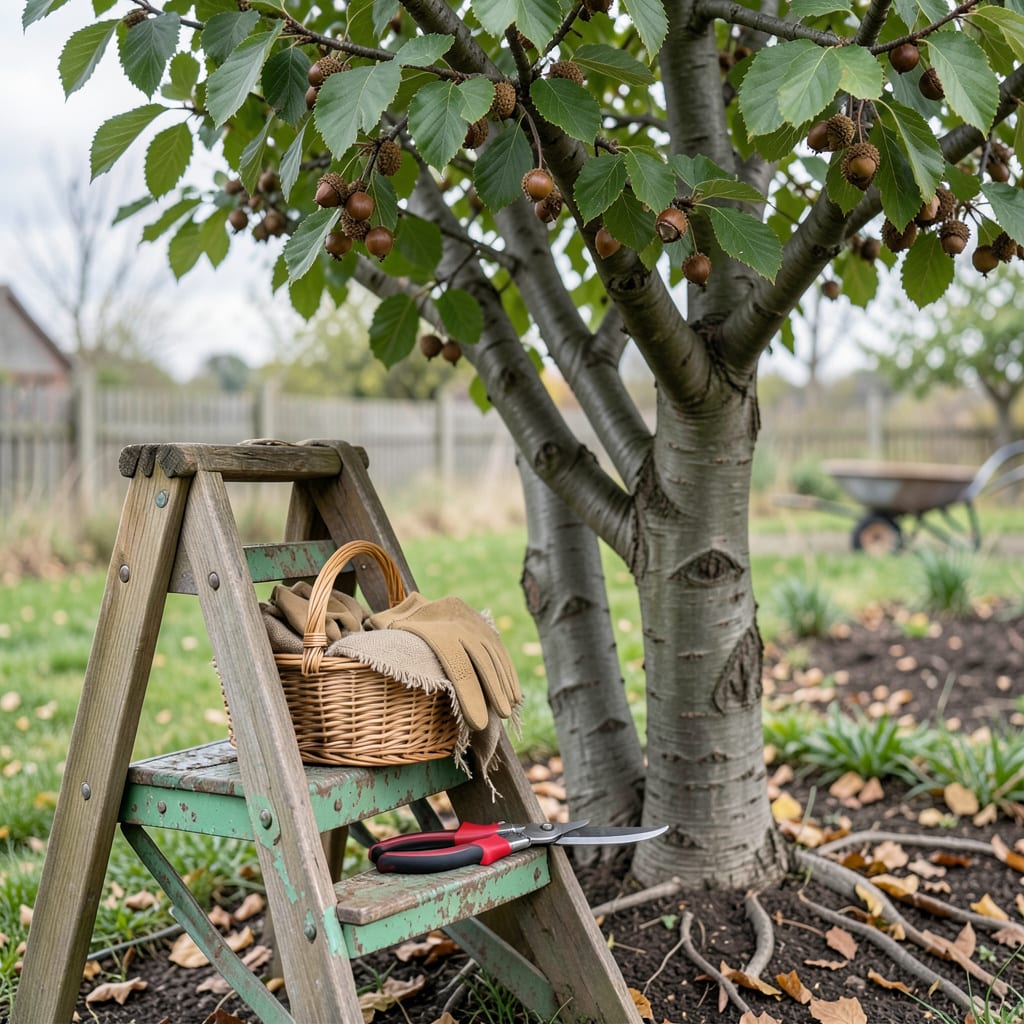
There’s nothing quite like the satisfaction of cracking open a perfectly ripe hazelnut you’ve grown yourself—only to find it hollow or bitter because you picked it too soon. Timing is everything when it comes to these buttery gems, and even experienced gardeners sometimes get it wrong.
I’ve learned the hard way that waiting for those telltale signs—like husks turning brown and splitting open—means the difference between a lackluster harvest and nuts so rich they’ll rival store-bought. Let me show you exactly what to look for and when, so you never second-guess your hazelnut harvest again.


If you’ve ever cracked open a hazelnut only to find a shrunken, flavorless kernel inside, you know how disappointing poor timing can be. The secret lies in watching for three key signals: husk color, nut looseness, and shell hardness. I’ll show you exactly what to look for—no guesswork required.
Most hazelnut varieties like Barcelona or Jefferson follow similar ripening patterns, but climate plays a huge role. In cooler zones, you might harvest in late September, while warmer areas could see ready nuts by mid-August. Let’s break down the visual cues.
The “shake test” is my favorite trick: gently grasp a cluster and give it a light shake. If ripe nuts tumble into your hand with minimal effort, they’re ready. Unripe ones will cling stubbornly to the husk. This method works especially well for American hazelnuts which tend to drop naturally.
Don’t overlook the shell inspection. A mature hazelnut shell should feel hard and glossy, not rubbery or dull. If you can dent it with your fingernail, it needs more time. I always check a few from different branches since ripening isn’t always uniform across the tree.
Climate zones make a big difference in timing. Gardeners in USDA Zone 6 typically harvest in early September, while those in Zone 8 might start in late August. Coastal areas with mild summers often see a 2-week delay compared to inland regions with hotter summers.
For European hazelnuts (like the popular Ennis variety), watch for the husk to turn completely brown and papery. These often ripen 1-2 weeks earlier than American varieties. Hybrid types may show intermediate signs, so always cross-check with the shake test.
One mistake I see often is harvesting after heavy rain. Wet conditions can cause mold growth inside the husks. Aim for a dry, sunny day to pick, and spread your nuts immediately to begin drying. This prevents that disappointing musty flavor that ruins an otherwise perfect harvest.
Remember that first frost is your deadline. Hazelnuts left on the tree after frost risk developing off-flavors or becoming difficult to remove from husks. In my experience, it’s better to harvest slightly early than risk frost damage—just be prepared for a bit more drying time.
If you’re growing dwarf hazelnut varieties, they often ripen 7-10 days earlier than standard trees. Their compact size means you can check the entire plant more easily, so take advantage of this to monitor ripeness daily as harvest time approaches.
Pro tip: Keep a harvest journal noting when you picked each year and the weather conditions. Over time, you’ll spot patterns that help you predict the perfect picking window for your specific microclimate. My journal showed me my trees consistently ripen 5 days earlier in drought years.
Once you’ve mastered these signs, you’ll never again face the disappointment of cracking open an empty shell. The rich, buttery reward of perfectly timed hazelnuts makes all the observation worthwhile. Now let’s talk about getting them off the tree without damaging your future harvests.
🌰Now that you know exactly when to pick, let’s talk about how to harvest without harming your tree’s future production. I’ve seen gardeners make costly mistakes like yanking nuts off branches or shaking trees too aggressively—both can reduce next year’s yield.
The right tools make all the difference. I recommend wearing gardening gloves to protect your hands from the tree’s rough bark, and using a tarp or nut gatherer to catch falling nuts. For taller trees, a harvesting pole with a gentle gripper helps reach high clusters.
⚠️ Avoid These Harvest Mistakes:
❌ Pulling nuts directly from branches (damages spurs)
❌ Shaking trees violently (can break branches)
❌ Leaving nuts on wet ground (promotes mold growth)
For ground collection, spread a clean tarp beneath the tree and gently shake branches. Ripe nuts will drop easily—no need for force. I like to work in sections, moving the tarp as I go to catch every nut without bending constantly.
When harvesting from branches, use a twisting motion rather than pulling. Grasp the nut cluster and rotate it gently until it releases. This preserves the fruit spurs where next year’s nuts will form. For stubborn clusters, use small pruners to snip the stem.
Timing matters during collection too. I always harvest in the morning hours when nuts are cooler and less prone to bruising. Avoid working with wet nuts—wait until dew evaporates or harvest on dry days to prevent mold during drying.
After collection, remove any leaves or debris from your tarp immediately. These can trap moisture against the nuts. I use a soft-bristled brush to clean my harvest before drying—this simple step prevents many storage issues later.
🌰You’ve harvested your hazelnuts at the perfect moment—now the real work begins to preserve that rich flavor. Proper drying and storage are just as crucial as perfect timing. I’ve lost entire batches to mold by skipping these steps, so let me share what actually works.
The first 24 hours are critical. Spread your nuts in a single layer on a clean, dry surface. Avoid piling them up, as trapped moisture leads to mold. I use mesh screens or baking racks for maximum airflow around each nut.
For small batches, I prefer air drying in a well-ventilated garage or covered porch. Larger harvests do better with a dehydrator set to 100°F. The oven works in a pinch, but requires constant monitoring to prevent overheating.
You’ll know they’re properly dried when the shells become brittle and the kernels snap cleanly when bent. Under-dried nuts develop mold, while over-dried ones lose flavor. I test a few nuts daily starting at day 3 to catch the perfect moment.
Once dried, store hazelnuts in airtight containers in a cool, dark place. For long-term storage, I vacuum-seal and freeze them—this preserves freshness for up to 2 years. Avoid plastic bags for fresh nuts, as they trap moisture and encourage mold growth.
🌰Check for subtle changes like husks starting to yellow or feeling slightly papery. Gently squeeze a nut—if the shell feels firm (not rubbery) and the husk releases easily with a twist, they’re nearing readiness. This early sign helps you prepare for harvest timing.
Early harvesting results in shriveled kernels with poor flavor and texture. The nuts won’t fully develop their signature buttery richness, and shells may be harder to crack cleanly. Underdeveloped nuts also dry unevenly, increasing mold risk during storage.
It’s risky. Frost can cause husks to stick stubbornly to shells and may alter flavor development. If frost is imminent, harvest immediately—even slightly early nuts fare better than frost-damaged ones. Prioritize drying them quickly to prevent moisture issues.
This indicates uneven ripening, common in hazelnuts. Ground nuts are typically ready, while clinging ones may need 2-5 more days. Varieties like Barcelona often drop uniformly, while hybrids may ripen in stages. Always check both tree and ground nuts.
