
Beautiful Plants For Your Interior
Beautiful Plants For Your Interior
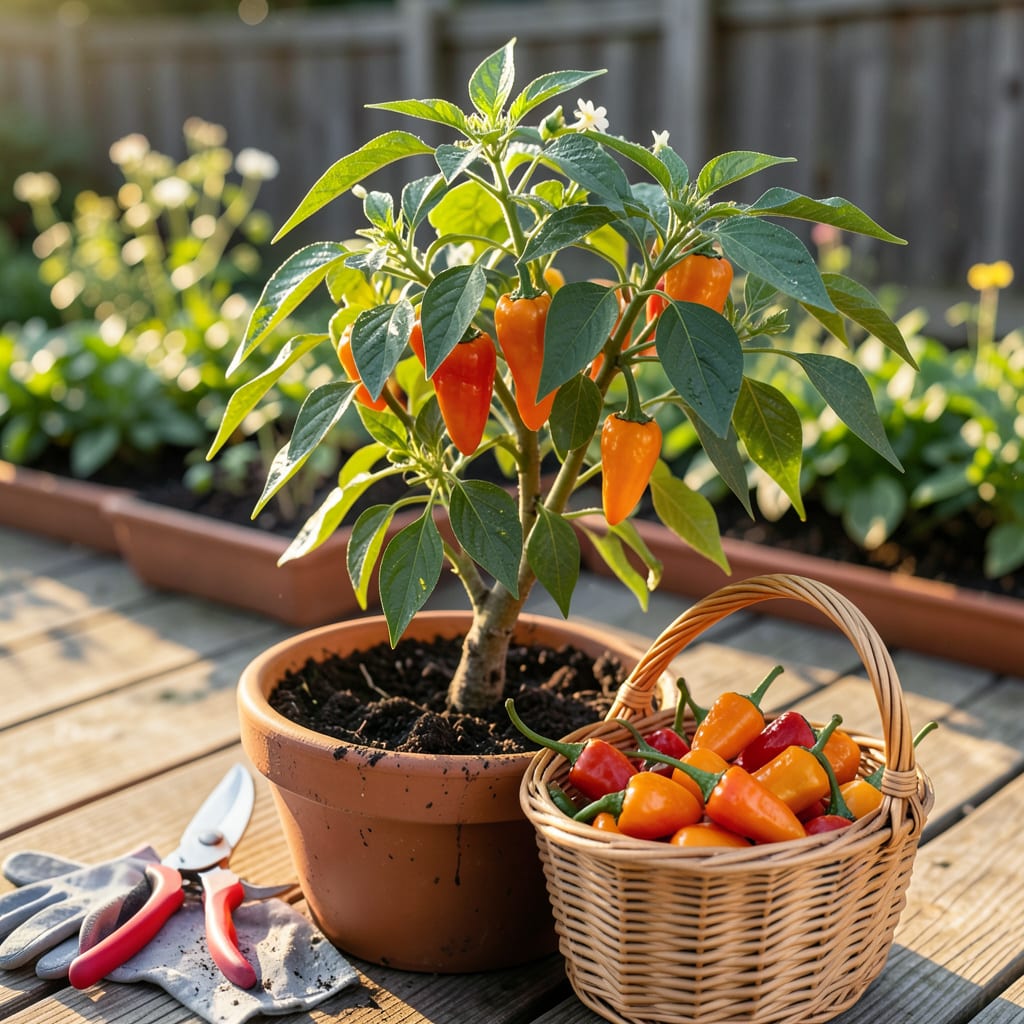
There’s nothing worse than waiting months for your 🌶️ Habanero Peppers to ripen—only to pick them too soon or too late. That split-second timing determines whether you get fiery heat with citrusy depth or a disappointing, underwhelming bite.
I’ve learned the hard way that color isn’t the only clue—size, firmness, and even the stem’s resistance tell the real story. Stick with me, and I’ll show you how to nail the perfect harvest window every time, no guesswork required.


If you’ve ever wondered when to pick habaneros, the secret lies in their color transformation. These fiery peppers start green and gradually shift to orange, red, or even chocolate brown as they ripen. I always remind gardeners that color equals heat—the deeper the hue, the more intense the flavor.
But color isn’t the only clue. A ripe habanero should feel firm yet slightly yielding when gently squeezed. If it’s rock-hard, it needs more time. The skin should also appear glossy and smooth, not dull or wrinkled. These visual and tactile cues ensure you’re harvesting at peak quality.
| Ripeness Stage | Color | Texture | Heat Level | Best Use |
|---|---|---|---|---|
| Unripe | Bright green | Very firm | Mild (10,000-30,000 SHU) | Pickling, raw salsas |
| Early Ripening | Yellow-orange | Firm with slight give | Medium (50,000-80,000 SHU) | Cooked sauces, marinades |
| Fully Ripe | Deep orange/red | Slightly soft, glossy | Hot (100,000-350,000 SHU) | Hot sauces, fermenting |
| Overripe | Dull red/brown | Very soft, wrinkled | Variable (may lose heat) | Compost or seed saving |
Size matters too! A mature habanero typically measures 1.5 to 2.5 inches long. If your peppers are smaller than a golf ball, they likely need more time. I’ve found that habaneros grown in full sun (6+ hours daily) tend to ripen faster and develop richer colors.
Don’t forget the stem test. Gently bend the pepper where it connects to the plant. If it snaps off easily, it’s ready. If it resists, give it a few more days. This simple trick prevents premature picking, which can leave your habaneros lacking their signature citrusy, smoky flavor.
For those in cooler climates, your habaneros might take longer to ripen. If frost threatens before they’re ready, you can harvest green and let them ripen indoors. Place them in a paper bag with a ripe banana to speed up the process—the ethylene gas works wonders!
Pro tip: Always wear gloves when handling habaneros. Their oils can irritate skin and eyes. I learned this the hard way after rubbing my eye mid-harvest! If you’re testing spiciness, try a tiny piece of the placenta (the white membrane inside)—that’s where most capsaicin hides.
Remember that habitual checking is key. Once your habaneros start changing color, check them daily. They can go from perfectly ripe to overripe in just 2-3 days, especially in hot weather. I like to harvest in the early morning when temperatures are cooler and peppers are crisp.
If you’re growing multiple varieties, note that orange habaneros often ripen faster than red ones. The Caribbean Red variety, for example, might take an extra week to reach its full color compared to the Orange Scotch Bonnet type.
After harvesting, store your habaneros in a cool, dry place for up to a week, or freeze them for long-term use. For the best flavor, I recommend using them within 3-5 days of picking. Now that you know exactly when to harvest, you’re ready for that perfect balance of heat and flavor!
Timing your habanero harvest perfectly means balancing days to maturity with your local climate. Most habaneros take 75–100 days from transplanting to reach full ripeness, but cooler zones may need an extra 2–3 weeks. I always mark my calendar at 85 days as the sweet spot.
Your growing zone plays a huge role—USDA Zone 6 gardeners like me often see slower ripening in late summer, while Zone 9+ growers might harvest earlier. Watch for first frost warnings; habaneros won’t tolerate temps below 50°F without damage.
Pro Tip: Use a soil thermometer—peppers ripen faster when soil stays above 70°F.
For early-season picks, I harvest a few green habaneros at 60–70 days for milder dishes. But if you want that signature habanero fire, wait until the glossy orange/red stage. A gentle squeeze test helps—ripe peppers yield slightly but stay firm.
In hotter climates (Zones 8–11), habaneros may ripen in as little as 70 days. If you’re in a shorter season (Zones 5–6), start seeds indoors 8–10 weeks early and use black plastic mulch to warm soil. I’ve found this can shave 10–14 days off maturity time.
Watch for sudden temperature drops—if nights dip below 55°F, cover plants with frost cloth or harvest all mature peppers immediately. Even partially ripe habaneros will continue to color indoors if stored at room temperature with good airflow.
To maximize your harvest window, prune early flowers to redirect energy into plant growth. I also fertilize lightly with a 5-10-10 blend at planting and again when fruits set. This keeps plants productive well into late summer, giving you a longer picking season.
Even experienced gardeners can ruin a habanero harvest with simple oversights. The biggest mistake I see? Picking too early. Those bright green peppers might look tempting, but they lack the full heat and citrusy depth that develops in later stages. Trust me—patience pays off!
On the flip side, leaving habaneros on the plant too long creates mushy, overripe fruit with diminished flavor. Once they turn dull brown or wrinkled, their signature fire fades. I check my plants daily once they start coloring up—habaneros can overripen in just 48 hours during heatwaves.
💡 Quick Fix: If you accidentally pick underripe habaneros, place them in a paper bag with an apple to ripen faster.
Another critical error is improper cutting techniques. Never yank habaneros off the plant—this damages the stem and invites disease. Instead, use your thumb and forefinger to gently twist the pepper until it snaps free. If it resists, it needs more time. I’ve ruined entire branches by pulling too hard!
Post-harvest handling matters just as much. Never rinse habaneros with water—this dilutes their oils and shortens shelf life. Instead, brush off dirt with a dry cloth. Store them in a single layer (not piled) in a cool, dark place. For long-term storage, freeze them whole on a tray before bagging to prevent clumping.
Watch for hidden pests like aphids or spider mites when harvesting. These critters love to hide under habanero leaves and can hitchhike indoors. I always inspect peppers under a bright light and give them a quick wipe with a damp cloth (then pat dry) if I spot any bugs.
Finally, don’t forget to rotate your harvest. Picking all peppers at once stresses the plant. I harvest 2–3 peppers per plant weekly, which encourages continuous production. This method gave me 30% more yield last season compared to one-time harvesting!
The color change typically takes 2-3 weeks once the transition begins. Green habaneros start developing orange hues around 70-80 days after transplanting, reaching full red/orange ripeness by 85-100 days. Hotter climates speed this up, while cooler zones may extend it.
Yes, but they’ll be much milder—about 10,000-30,000 SHU instead of the 100,000-350,000 SHU of ripe ones. Green habaneros work well for pickling or raw salsas where you want heat without overwhelming spice. For maximum flavor, wait until they’re at least yellow-orange.
Early morning (before 10 AM) is ideal. The peppers are crispest after cool nights, and morning dew has evaporated. Avoid harvesting during peak afternoon heat when peppers may be soft. Always use gloves—capsaicin oils are most potent when plants are well-hydrated in the morning.
This is completely normal! Variety plays the biggest role—Orange Scotch Bonnet types stay orange, while Caribbean Red habaneros deepen to red. Even within the same plant, sunlight exposure can create color variations. All colors are equally ripe when they reach their final hue.
Overripe habaneros develop dull, wrinkled skin and may feel mushy when squeezed. The stem end often turns black, and the pepper separates too easily from the plant. At this stage, they’ve lost much of their heat and citrusy flavor—best used for seed saving or compost.
