
Beautiful Plants For Your Interior
Beautiful Plants For Your Interior
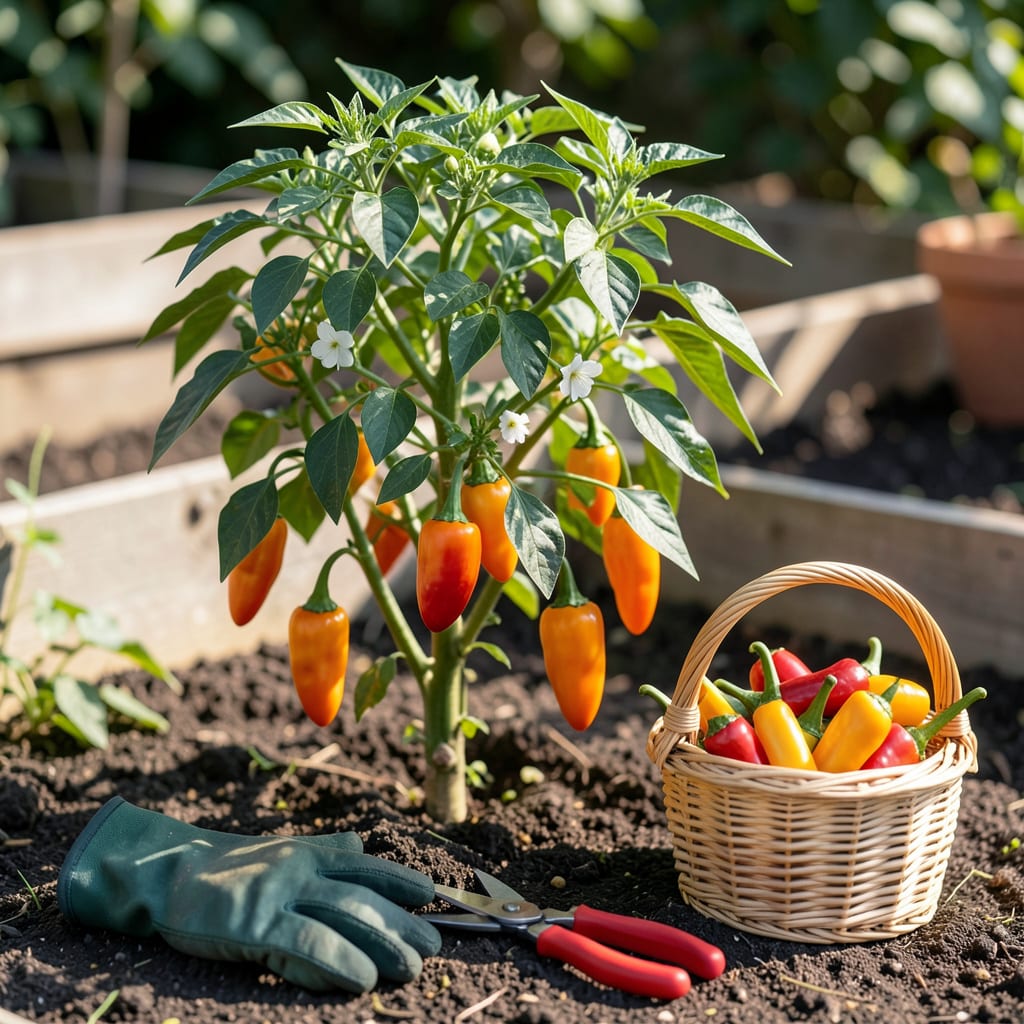
That moment when your 🌶️ Habanero Pepper finally ripens—only to realize you waited too long or picked too soon. One tiny misstep can turn fiery potential into a flavorless flop. Trust me, I’ve been there, staring at peppers that looked ready but tasted like a missed opportunity.
Timing isn’t just about color—it’s the secret to unlocking that perfect balance of heat and sweetness. I’ll show you the exact signs to watch for, so you never second-guess your harvest again. Let’s make sure your next batch delivers the punch it promises.


Nothing beats the satisfaction of growing your own habanero peppers, but knowing exactly when to harvest them can be tricky. I’ve learned that timing isn’t just about color—it’s about texture, size, and aroma too. Let me walk you through the key indicators.
First, watch for that signature color change. Habaneros start green and gradually turn orange or red as they ripen. But color alone isn’t enough—you’ll want to check other signs too. I always look for that perfect glossy sheen that develops on ripe peppers.
| Sign | Not Ready | Perfectly Ripe |
|---|---|---|
| Color | Green 🟢 | Orange/Red 🟠 |
| Size | Under 2″ 📏 | 2-3″ long ✅ |
| Texture | Hard, no give 🔇 | Slightly soft 🤏 |
| Stem | Resists twisting | Snaps easily ✂️ |
The size matters too—mature habaneros typically reach 2-3 inches in length. I check by gently pressing the pepper; it should have a slight give, like a ripe tomato. If it’s rock hard, it needs more time. The skin should also feel smooth and taut, not wrinkled.
Don’t forget the stem test! When you gently bend the pepper, the stem should snap cleanly from the plant. If it resists, it’s not ready. I also look for a fruity aroma—ripe habaneros have a distinct, slightly sweet scent that’s hard to miss.
Timing is everything with habaneros. From flowering to harvest usually takes 75-100 days, but this varies by climate. In my experience, warmer regions speed up ripening, while cooler areas may extend the timeline. I always mark my calendar 90 days after planting to start checking for ripeness.
Remember that morning harvesting is best. The peppers are crispest then, and the cooler temperatures help preserve their flavor. I avoid picking after rain—wet peppers are more prone to rot during storage. Always use sharp pruners or scissors to avoid damaging the plant.
One thing I’ve learned the hard way: wear gloves! Habanero oils can irritate skin and eyes. I keep a pair of disposable gloves in my gardening kit just for pepper harvesting. After picking, I wash my tools with soapy water to remove any lingering capsaicin.
If you’re growing multiple plants, you might notice they ripen at different rates. That’s normal! I check my plants every 2-3 days during harvest season. The first peppers often take longest, while later ones may ripen faster as the plant matures.
For the best flavor, I recommend harvesting when peppers are fully orange. This is when they’ve developed maximum sweetness to balance the heat. Red habaneros are hotter but can be overpowering for some uses. Experiment to find your perfect stage!
I’ve found that picking habanero peppers at different stages dramatically changes their heat and flavor. Early green peppers are milder, with a grassy, vegetal taste, while fully ripe orange or red ones pack maximum Scoville heat and fruity sweetness. It’s all about timing!
The capsaicin levels in habaneros peak as they ripen, meaning the longer you wait, the hotter they get. But there’s a trade-off: overripe peppers can lose crispness. I aim for that sweet spot—deep orange color and slight give—when flavor and heat are perfectly balanced.
If you’re growing habaneros for fresh use, I recommend harvesting at the orange stage. The flavor is complex, with tropical fruit notes, and the heat is manageable. For drying or sauces, let them turn fully red—the concentrated sugars and capsaicin make them ideal.
Climate plays a role too. In hotter regions, habaneros ripen faster, sometimes in as few as 75 days. Cooler areas may need 100+ days. I’ve noticed that peppers left on the plant longer in warm weather develop deeper flavors but can become overly spicy.
One mistake I see often is harvesting after rain. Wet peppers are harder to store and can mold. Always pick on dry, sunny days and handle them gently to avoid bruising. A quick wipe with a damp cloth removes dirt without damaging the skin.
Remember, the stem should snap cleanly when you twist the pepper. If it resists, it’s not ready. And always wear gloves—habanero oils can irritate skin for hours! Store fresh peppers in the fridge for up to 2 weeks, or dry them for long-term use.
After years of growing habanero peppers, I’ve seen gardeners make the same mistakes that ruin their harvest. The most common? Picking too early—those green peppers might look tempting, but they lack the full heat and flavor. Patience pays off with habaneros!
Another big error is ignoring weather conditions. Never harvest after rain or when peppers are wet. The moisture makes them prone to mold and reduces storage life. I always check the forecast and pick on dry, sunny mornings for best results.
I can’t stress enough how important proper tools are. Using dull scissors or pulling peppers by hand damages the plant. I use sharp pruners and make clean cuts, leaving a short stem attached to avoid tearing the plant tissue.
Safety first with habaneros! The capsaicin oils can cause serious skin irritation. I always wear nitrile gloves and avoid touching my face. After harvesting, I wash my hands with soap and cold water—hot water opens pores and worsens irritation.
Many gardeners forget about post-harvest handling. Don’t just toss peppers in a bag! Store them in a paper bag in the fridge for up to 2 weeks, or dry them properly for long-term use. I’ve ruined batches by storing them in plastic—trapped moisture leads to rot.
Finally, don’t overlook the plant’s health after harvesting. I always give my habanero plants a light fertilizer boost after a big harvest to encourage more production. Remove any damaged leaves and check for pests while you’re at it—healthy plants mean more peppers! 🌿
Early harvesting means milder flavor and less heat. Green habaneros lack the full capsaicin development, resulting in a grassy taste instead of fruity sweetness. They’ll also be harder and less aromatic.
Overripe peppers may become soft and lose their crisp texture. While they’ll be hotter, the flesh can turn mushy. Watch for wrinkling or dull color—these are signs they’ve passed their prime.
Start monitoring 90 days after planting, then check every 2-3 days during harvest season. Ripening accelerates in warm weather, so daily checks may be needed in peak summer.
Early morning is ideal—peppers are crispest and least stressed. Avoid midday heat or after rain when plants are waterlogged. Use clean, sharp tools for the best results.
Fresh peppers keep for 2 weeks in a paper bag in the fridge. For long-term storage, dry them whole or slice and freeze. Never store in plastic—trapped moisture causes rot.
