
Beautiful Plants For Your Interior
Beautiful Plants For Your Interior
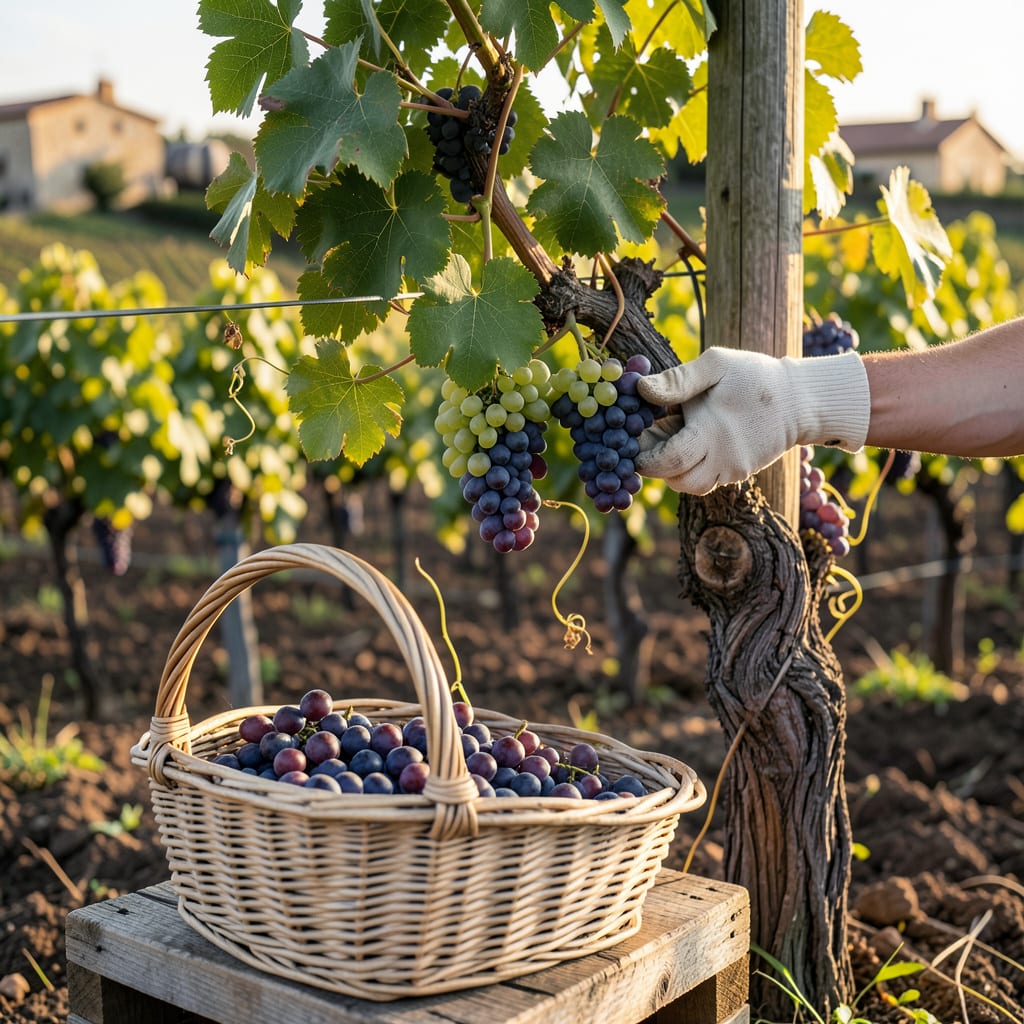
That moment when you pluck a grape from the vine and it bursts with sweetness? That’s the magic of perfect timing. But nailing it isn’t just luck—it’s about knowing the subtle signs your 🍇 are begging to be picked.
From color shifts to sugar levels, I’ll break down exactly what to watch for so you never second-guess your harvest again. Whether you’re growing table grapes or wine varieties, this guide ensures every cluster reaches its full, flavorful potential.


Knowing exactly when to pick grapes starts with observing the subtle (and not-so-subtle) clues your vines give you. For table grapes, I look for full color development—whether that’s deep purple, vibrant red, or golden yellow—depending on the variety. The skin should feel slightly soft when gently pressed.
With wine grapes, the signs differ slightly. Winemakers often wait for higher sugar concentrations (measured with a Brix refractometer) and seed color changes from green to brown. For both types, the stem attachment is key: ripe grapes detach easily with a gentle twist. 🍇
| Variety | Color at Ripeness | Brix Level | Stem Condition | Taste Test |
|---|---|---|---|---|
| Concord | Deep blue-black | 18-20% | Brown, woody | Sweet-tart, bold flavor |
| Thompson Seedless | Pale green-gold | 17-19% | Dry, brittle | Crisp, honey-like sweetness |
| Cabernet Sauvignon | Inky purple | 24-26% | Firm, dark brown | Rich, tannic, jammy |
| Muscadine | Bronze or black | 16-18% | Thick, corky | Musky, tropical notes |
For Concord grapes, watch for the skin to turn from red to deep blue-black and the berries to plump up. A quick taste test should reveal a balanced sweet-tart flavor. If they’re still overly acidic, give them a few more days. I’ve found that morning harvests yield the juiciest grapes.
Thompson Seedless grapes are trickier—they stay green even when ripe! Focus on texture: they should feel slightly soft and the stems should turn brown and dry. If the berries still feel firm and the stems are green, they need more time. A Brix reading of 17% is my go-to benchmark.
With wine grapes like Cabernet or Merlot, seed color is a dead giveaway. When the seeds turn from green to tan or brown, sugar levels are climbing. I use a refractometer to check Brix—22-26% is ideal for red wines. The skins should also slip off easily when rubbed.
For Muscadine grapes, look for a waxy bloom on the skin and a slight give when squeezed. These grapes don’t detach as easily as others, so I use pruning shears to snip clusters cleanly. Their unique musky aroma intensifies as they ripen—trust your nose!
Don’t overlook the cluster appearance. Ripe grapes fill out the cluster uniformly, with no green or shriveling berries. If you spot mold or splitting, harvest immediately—even if not fully ripe—to prevent spread. I once lost half a crop by waiting too long during a humid spell. 🌡️
Pro tip: Sample daily as harvest nears. Grapes can go from underripe to overripe in 48 hours, especially in hot weather. Keep a notebook to track which clusters ripen first—usually the ones with most sun exposure. This helps stagger your harvest over several days.
Finally, trust your senses! Ripe grapes will have a sweet aroma at the stem end. If they smell grassy or neutral, they’re not ready. And remember: birds love ripe grapes too, so consider netting if you’re not harvesting immediately. 🪴
Timing your grape harvest perfectly depends on where you live. In USDA Zones 5-7, most varieties ripen between late August and early October, while warmer zones (8-10) often see harvests as early as July. I’ve found that coastal areas with cool mornings may delay ripening by 2-3 weeks.
For example, Concord grapes thrive in Zones 5-8 and typically peak in mid-September, while Thompson Seedless prefers Zones 7-10 and ripens earlier. Microclimates matter too—desert heat speeds up sugar development, while mountain fog can slow it down. Always taste-test before committing to a full harvest! 🌡️
| Zone | Harvest Window | Key Varieties | Climate Tip |
|---|---|---|---|
| 5-6 | Late Aug – Mid-Sept | Concord, Niagara | Watch for early frosts—harvest before Oct 1 |
| 7-8 | Mid-Aug – Early Oct | Thompson Seedless, Muscadine | Drought stress? Irrigate 2x/week in summer |
| 9-10 | July – Late Aug | Flame Seedless, Zinfandel | Heat waves may require shade cloth |
If you’re in a short-season area (Zones 4-5), prioritize early-ripening varieties like ‘Reliance’ or ‘Mars’. These can mature in 90-100 days, beating the first frost. In contrast, Southern growers can experiment with late-season varieties like ‘Scuppernong’, which ripen in October.
Don’t forget to factor in rainfall patterns. Excessive rain before harvest can cause berry splitting or dilute sugar levels. I always check the 10-day forecast—if heavy rain is coming, I’ll harvest slightly early to avoid damage. A Brix refractometer (under $30) is my secret weapon for confirming sugar levels. 💧
For wine grapes, timing shifts slightly. Winemakers often wait for higher Brix levels (22-25%) and deeper color. Table grapes, however, are best picked at 18-20% Brix when they’re juicy but still firm. Pro tip: Harvest in the morning when temperatures are cool to preserve freshness.
Finally, keep a harvest journal! Note each year’s first and last pick dates, weather conditions, and variety performance. Over time, you’ll spot patterns that help you fine-tune your timing. My journal showed me that ‘Concord’ grapes in my Zone 6 garden ripen 10 days earlier after a hot July. 🪴
Even experienced gardeners can sabotage their grape harvest with simple oversights. The most common blunder? Picking too early. I’ve seen eager growers harvest grapes at first color change, only to find them sour and underdeveloped. Always wait for full color and stem browning before testing. 🍇
Another frequent error is ignoring weather forecasts. Heavy rain before harvest can cause berries to split or rot. If storms are predicted, I harvest slightly early—even if it means sacrificing a bit of sweetness. A Brix refractometer helps confirm sugar levels aren’t critically low.
Picking after rain or dew leads to mold growth during storage. Always harvest in dry conditions and let clusters air-dry before packing.
Ragged cuts from dull pruning shears invite disease. Sharpen blades before harvest and wipe with rubbing alcohol between cuts to prevent contamination.
Stacking grapes too deeply causes crushing and fermentation. Use shallow trays and store in a single layer for best airflow and freshness.
Never assume all clusters ripen uniformly. Sample multiple berries from different parts of the vine—sweetness varies based on sun exposure and cluster position.
Grapes respire quickly at room temp. Cool to 32-35°F within 2 hours of picking to extend shelf life. A damp towel over containers adds humidity without wetting berries.
Avoid the “all-at-once” harvest trap. Grapes on the same vine often ripen at different rates. I use a staggered approach, picking the ripest clusters first and revisiting the vine every 2-3 days. This ensures peak flavor and reduces waste from overripe berries.
Don’t forget about wildlife competition. Birds and raccoons can decimate a crop overnight. If you notice pecked berries, install bird netting immediately—just ensure it’s secured tightly to prevent tangles. I lost an entire Concord harvest to cedar waxwings one year! 🪴
Finally, cleanliness counts. Dirty harvest bins or unclean hands can introduce bacteria that spoil grapes during storage. I sanitize all equipment with a vinegar solution (1:10 ratio) before and after harvesting. This small step adds days to your grapes’ freshness.
Overripe grapes often appear wrinkled or mushy with a fermented smell. The skin may split, and the flavor turns overly sweet or alcoholic. For wine grapes, Brix levels above 28% can indicate overripeness. Harvest immediately if you notice these signs.
Early morning is ideal—grapes are crispest and sugars most concentrated. Avoid midday heat, which can cause berries to soften too quickly. If harvesting for wine, cooler temperatures preserve delicate aromas. Always handle clusters gently to prevent bruising.
It’s best to wait until clusters dry completely. Wet grapes are prone to mold and splitting during storage. If rain is forecast, harvest slightly early to avoid damage. Use a clean towel to pat dry if necessary, but never store damp grapes.
Sun exposure and position play huge roles! Berries on the cluster’s outer edges or facing south ripen first. Varieties like Thompson Seedless may show uneven ripening—sample from different areas. Staggered harvesting ensures peak flavor.
Table grapes last 3-5 days on the vine post-ripening; wine grapes can hang slightly longer. Check daily—sugar levels rise but acids drop quickly. Birds and pests become major threats once grapes soften. When in doubt, taste-test!
