
Beautiful Plants For Your Interior
Beautiful Plants For Your Interior
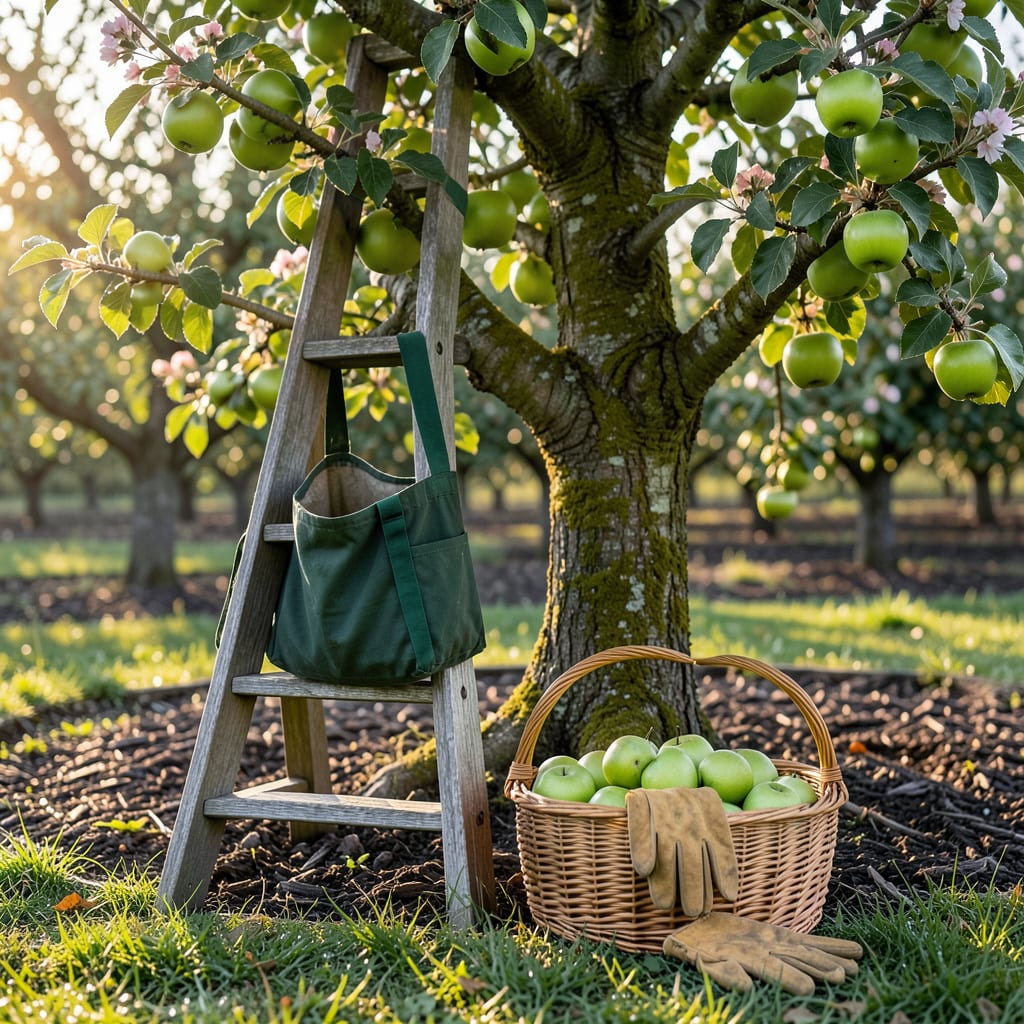
There’s nothing quite like biting into a perfectly ripe Granny Smith apple—crisp, tart, and bursting with flavor. But timing that harvest? That’s where many gardeners get it wrong.
Pick too soon, and you’ll get a mouth-puckering sour bite. Wait too long, and that signature snap turns mealy. After years of testing, I’ve nailed the exact signs to look for—so you can enjoy fresh, firm apples every time. Let’s break it down.


Even experienced gardeners can mess up the Granny Smith harvest—and those mistakes cost you flavor. I’ve seen trees full of apples ruined by just a few common errors. The good news? They’re easy to fix once you know what to watch for.
One of the biggest blunders is ignoring the weather. A sudden frost or heatwave can throw off your entire harvest window. If you’re not adjusting for these swings, you might end up with apples that are either sour and hard or soft and mealy.
Another critical error is harvesting after rain. Wet apples bruise more easily, and excess moisture can lead to mold growth during storage. Always wait for a dry, sunny day—your apples will keep longer and taste better.
Many gardeners also overlook the gentle twist test. If you’re yanking apples off the branch, you’re doing it wrong. A ripe Granny Smith should come off with a light twist and lift. Forcing it means the fruit isn’t ready yet.
Don’t forget about post-harvest sorting. Mixing bruised or damaged apples with perfect ones speeds up spoilage. I always separate my harvest into three piles: perfect for storage, eat soon, and compost. This simple step extends freshness by weeks.
Finally, avoid storing your apples near ethylene producers like bananas or tomatoes. This gas makes apples ripen (and soften) too fast. Keep them in a cool, dark place—ideally around 32–40°F—and they’ll stay crisp for months. ✅
Once you’ve harvested your Granny Smith apples, the real challenge begins: keeping them crisp and flavorful for months. I’ve tested countless storage methods, and the difference between a perfectly stored apple and a mushy one comes down to just a few key factors.
The golden rule? Temperature and humidity are everything. Granny Smiths thrive in 30–35°F with 90% humidity—think root cellar conditions. Without this balance, your apples will either shrivel or turn soft too quickly. A simple DIY solution works wonders if you lack a cellar.
For short-term storage (up to a month), a refrigerator’s crisper drawer works well. Just wrap each apple in paper towels to absorb excess moisture. This prevents the skin from becoming slimy while keeping the flesh firm and tart.
If you’re storing apples long-term (3–6 months), consider a DIY root cellar alternative. Use a plastic storage bin with holes drilled in the sides for ventilation. Line it with straw or shredded newspaper, then layer apples so they don’t touch. Store in the coolest part of your garage or basement.
Remember, Granny Smiths release ethylene gas too, so don’t seal them in airtight containers. A mesh bag or perforated plastic lets gases escape while retaining humidity. With these tricks, your harvest will stay crisp and tart well into winter. 🪴
Harvesting too soon means your apples will be painfully sour and lack their signature crispness. The starches haven’t converted to sugars yet, so the flavor stays unbalanced. They also won’t ripen properly off the tree, unlike some other fruits.
Overripe Granny Smiths lose their firm texture and develop soft spots. The skin may appear dull, and the stem often becomes dry or cracked. If they come off the branch with almost no resistance, they’ve likely passed their prime.
Apples picked at peak ripeness store 2-3 months longer than underripe or overripe ones. The ideal window is when they’re still firm but show slight color change. Properly timed harvests maintain that perfect tart crunch for months.
It’s best to wait for dry conditions. Wet apples bruise more easily during picking and are prone to mold development in storage. The excess moisture also makes them spoil faster. Always choose a sunny, dry day for harvesting.
Premature drop usually indicates stress factors like drought, disease, or nutrient deficiencies. It can also happen if the tree is overloaded with fruit. Thin your apples early in the season to prevent this and ensure larger, healthier harvests.
