
Beautiful Plants For Your Interior
Beautiful Plants For Your Interior
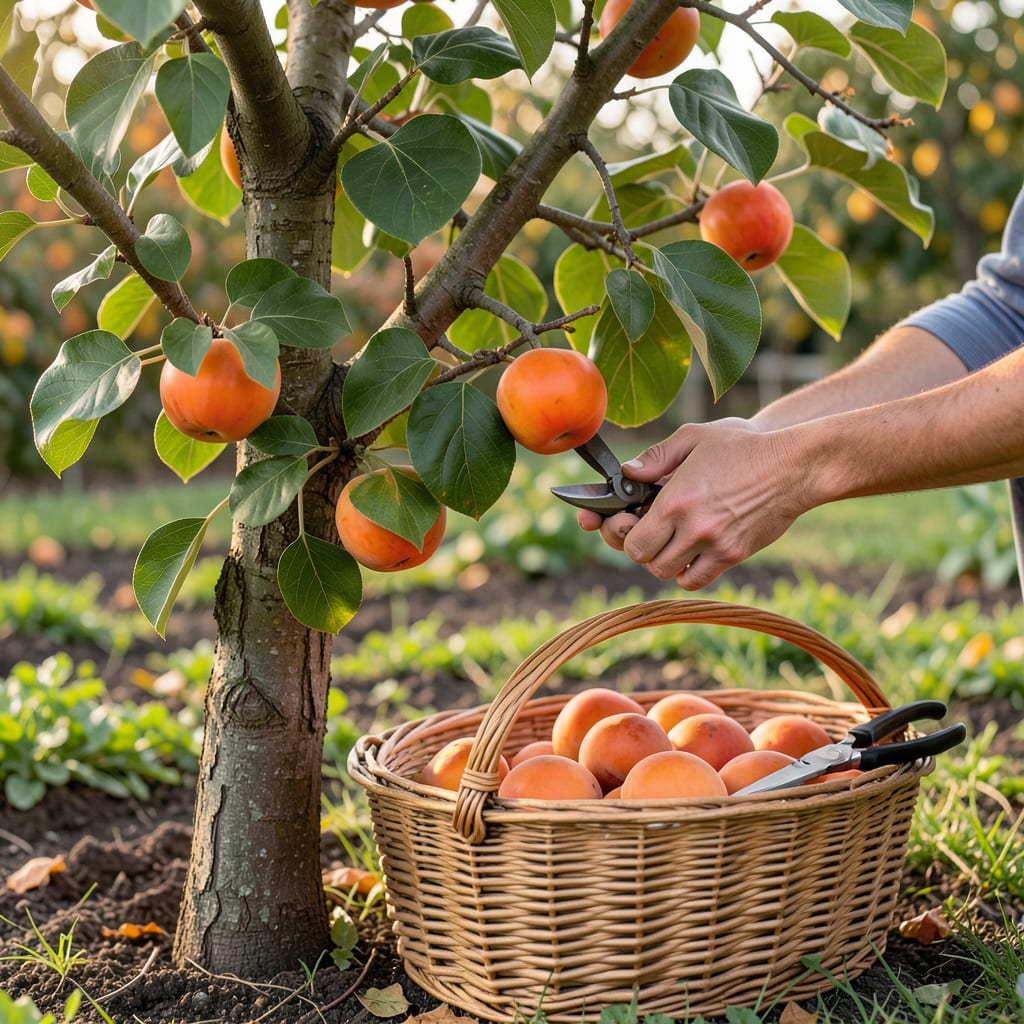
Timing your Fuyu Persimmon 🍈 harvest perfectly can be the difference between a mouthwatering treat and a bitter letdown. These fruits give clear signals when they’re at their peak.
I’ll show you the exact visual cues and seasonal indicators to watch for. With these tips, you’ll never pick them too early or too late again.


I’ve found that Fuyu persimmons give clear signals when they’re ready for picking. The most obvious sign is the color transformation from green to a deep orange hue. This change is gradual but unmistakable.
Another key indicator is the stem appearance. As the fruit matures, the stem transitions from green to a dry, woody brown. This is a reliable sign of ripeness, especially in USDA zones 7-10.
| Ripeness Sign | Description |
|---|---|
| Color | Deep orange, no green tint |
| Stem | Dry, woody, brown |
| Texture | Firm but yields to gentle pressure |
| Leaves | Begin to dry and drop |
The skin texture also changes as ripeness progresses. A ready Fuyu persimmon will feel smooth and slightly glossy, with no visible green patches. This is a great visual cue to start checking for harvest readiness.
I always recommend the gentle squeeze test. A ripe Fuyu should feel firm but yield slightly when pressed. If it’s rock-hard, it’s not ready yet. If it’s squishy, you may have waited too long.
Regional variations can affect harvest timing. In warmer climates like California, Fuyus may ripen earlier, while cooler areas like the Pacific Northwest might see a later harvest window.
The leaves around the fruit often begin to dry and drop as the persimmon approaches peak ripeness. This is nature’s way of signaling that the fruit is nearing its optimal harvest time. Keep an eye on these changes.
For the best flavor, I suggest picking Fuyu persimmons when they’ve reached full color but are still firm. They’ll continue to soften slightly after picking, but the sweetness develops fully on the tree.
Remember, Fuyu persimmons are non-astringent, meaning they can be eaten firm or soft. However, for the crispiest texture, harvest them just as they reach full color and before they become too soft.
If you’re unsure, pick one and taste it. The flavor will tell you everything. A perfectly ripe Fuyu should be sweet with no bitterness. If it’s still astringent, wait a few more days before harvesting the rest.
Finally, always use sharp pruners or scissors to avoid damaging the fruit or tree when picking. This ensures a clean cut and helps prevent disease or rot. ☀️
I’ve seen many gardeners ruin a perfect Fuyu persimmon harvest by picking too early or waiting too long. The fruit won’t ripen properly if harvested before color change, and overripe ones attract pests.
Another common error is pulling the fruit instead of using pruning shears. This can damage the stem and lead to premature spoilage or bruising.
⚠️ Avoid These Harvesting Pitfalls
I always test ripeness by gently pressing the fruit. If it gives slightly like a ripe peach, it’s ready. Hard fruit needs more time on the tree.
Timing also depends on your climate. In warmer zones, Fuyus may ripen earlier, while cooler areas extend the season into late November.
Don’t forget to check the stem. A dry, woody stem is a sure sign of readiness, while a green stem means wait a few more days.
Finally, handle with care. Bruised Fuyus spoil faster, so I use a soft cloth when collecting to prevent damage.
☀️Once you’ve harvested your Fuyu persimmons, proper storage is key to enhancing sweetness. I recommend curing them at room temperature for a few days to soften and develop full flavor.
If you pick them slightly early, they’ll continue to ripen off the tree. Just place them in a paper bag with an apple or banana to speed up the process naturally.
🌱 Post-Harvest Care Steps
For long-term storage, keep your Fuyu persimmons in a cool, dry place like a cellar. They’ll last 2-3 months if properly stored and handled gently.
Remember that homegrown Fuyus often taste sweeter than store-bought because they’re picked at peak ripeness. I’ve noticed mine develop a honey-like flavor when left to ripen fully on the tree.
If you notice any soft spots or bruises, use those first as they won’t keep as long. Perfect fruits can wait, giving you weeks of sweet enjoyment from your harvest. ☀️
Look for a deep, uniform orange hue with no green patches. The skin should appear smooth and slightly glossy when ready for harvest.
Gently press the fruit—it should feel firm but yield slightly like a ripe peach. A rock-hard texture means it needs more time on the tree.
Yes, but flavor is best when left to mature on the tree. For early picks, place in a paper bag with an apple to speed up ripening.
Stored in a cool, dry place, they’ll keep for 2-3 months. Refrigerate only after fully ripened to extend freshness.
