
Beautiful Plants For Your Interior
Beautiful Plants For Your Interior
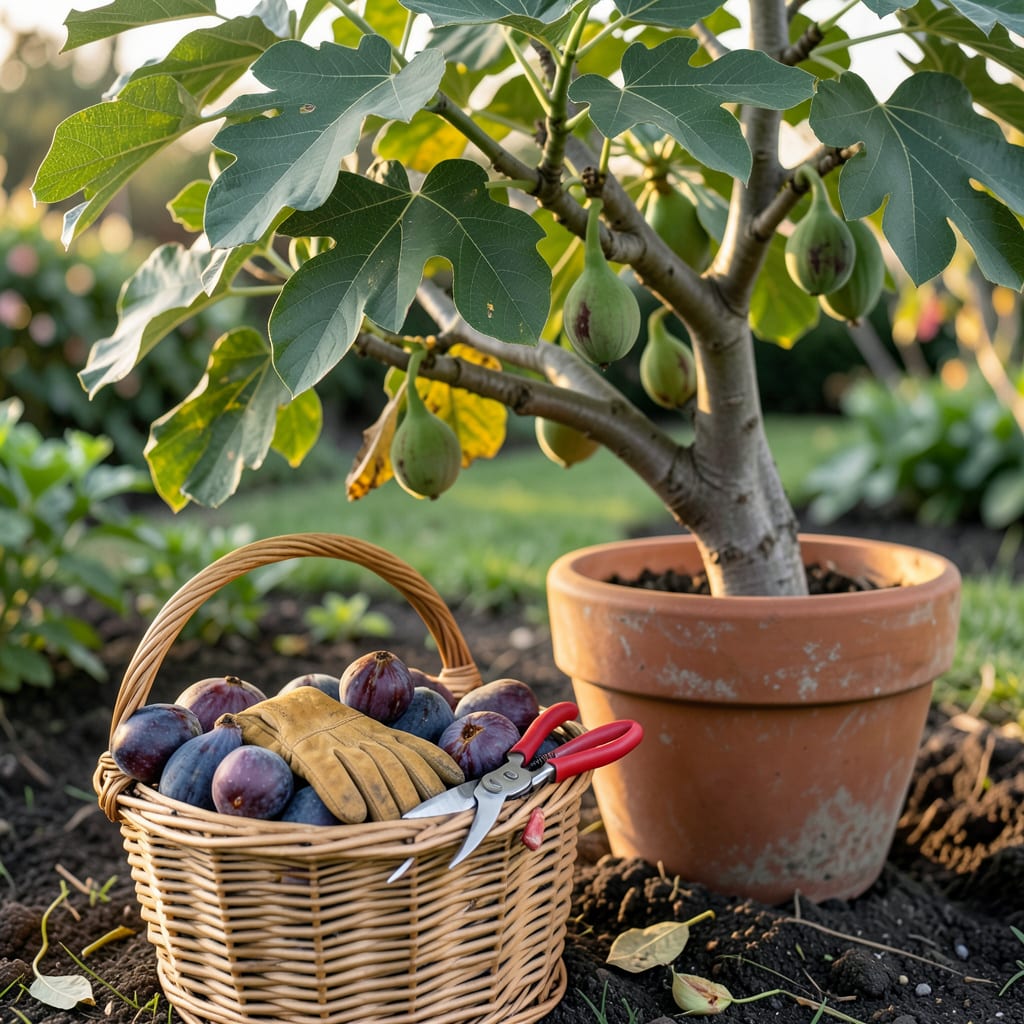
There’s nothing quite like biting into a perfectly ripe fig—honey-sweet and so tender it practically melts. But timing is everything: pick too soon, and you’ll get a bland, rubbery disappointment; wait too long, and the birds (or rot) beat you to it.
After years of trial and error with my own 🌳 fig trees, I’ve nailed down the foolproof signs of ripeness—no guesswork required. Whether you’re growing ‘Brown Turkey’ or ‘Celeste,’ I’ll show you exactly how to spot that ideal 24-hour window for harvesting at peak flavor.


Watching a fig transform from a hard green nub to a sweet, drooping jewel is one of gardening’s greatest rewards. But how do you know which stage it’s in? I’ve broken it down into five clear phases, so you’ll never second-guess your harvest timing again.
Most figs take 60–90 days from fruit set to ripeness, but the final week is where the magic happens. That’s when daily checks become crucial—especially for varieties like ‘Black Mission’ or ‘Kadota’, which can ripen overnight in hot weather. Here’s what to look for at each step.
Hard as a marble, bright green, and no give when squeezed. The stem is rigid, and there’s zero aroma. Picking now? You’ll get a mouthful of bitterness. 🟢
Fruit reaches full size (2–3 inches) but stays firm. Color deepens slightly (purple, brown, or yellow, depending on variety). The stem starts to bend—almost there! 📏
Skin softens at the shoulder (neck), and you’ll smell a faint honey-like scent. The fruit may droop slightly but still resists gentle tugs. Check daily now! 🕒
Gold mine time! The fig feels heavy in your hand, the skin yields to light pressure, and the stem bends easily. Color is deep and uniform, with a sweet, floral aroma. ✅🍯
Skin splits, fermented smell, or mushy texture mean you’ve missed the window. Birds and ants will find it first—harvest immediately if you spot these signs. ⚠️
Here’s my pro tip: Gently cradle the fig in your palm and tilt it sideways. If it detaches with almost no effort, it’s ready. If you have to tug, give it another day. This method works for 90% of fig varieties, from ‘Brown Turkey’ to ‘Celeste.’
Climate plays a role too. In hotter zones (8–10), figs ripen faster—sometimes in as little as 60 days. Cooler areas (zones 6–7) may need the full 90 days. I keep a harvest journal to track my tree’s pattern year to year; it’s a game-changer for consistency.
Don’t forget the taste test! If you’re unsure, pick one fig and sample it. Underripe fruit will taste starchy or bland, while a ripe fig bursts with jam-like sweetness. And if you accidentally pick one too early? Place it in a paper bag with a banana to speed up ripening indoors. 🪴
Remember, figs won’t ripen further once picked, so patience is key. I’ve found that morning harvests (before the heat sets in) yield the firmest, freshest fruit. More on that—and how to store them—in the next section!
Timing isn’t just about ripeness—it’s also about when you pick during the day. After testing different approaches, I’ve found that early morning (between 7–9 AM) is ideal. The fruit is still cool from the night, which helps preserve its texture and flavor.
Figs harvested in the midday heat tend to soften too quickly, while evening picks can trap excess moisture, leading to mold. I always bring a small basket or tray to avoid bruising—never squeeze figs into a bag! Here’s what else you’ll need for a perfect harvest.
For tools, I recommend sharp pruning shears or clean scissors for thick-stemmed varieties like ‘Chicago Hardy.’ For delicate figs (such as ‘Desert King’), simply twist gently until the stem releases. Never pull—this can damage the branch and next year’s fruit buds!
Once picked, figs last 2–3 days at room temperature or up to a week in the fridge. For longer storage, I freeze them whole on a tray before transferring to bags. Avoid washing until ready to eat—moisture speeds up spoilage. If you must clean them, use a damp cloth and pat dry immediately.
Here’s a trick for underripe figs: Place them in a paper bag with an apple or banana at room temperature. The ethylene gas will help them soften (though they won’t sweeten further). Overripe figs? Blend into smoothies or dry them for a chewy snack—just avoid cooking references, since we’re all about the garden here! 🪴
Finally, watch for wildlife competition. Birds, squirrels, and ants adore figs as much as we do. If you notice pecked fruit or tiny bites, consider netting your tree a few weeks before harvest. I’ve saved countless figs this way—it’s a small effort for a big payoff!
Some varieties like ‘Green Ishia’ remain pale when ripe. Focus on texture: it should feel soft at the neck and detach easily with a gentle twist. A sweet aroma and slight droop are better indicators than color.
Use clean pruning shears for thick stems or gently twist until it releases. Never pull—this can harm next year’s fruit buds. For delicate varieties, cradle the fig and tilt it sideways until it separates.
Place underripe figs in a paper bag with a banana or apple at room temperature. The ethylene gas will soften them in 1–2 days, though they won’t sweeten further. Avoid refrigerating unripe figs.
Most fig trees produce two crops annually: a small early crop (breba) and a larger main crop. Varieties like ‘Everbearing’ can fruit continuously in warm climates. Cooler zones may only yield one harvest per season.
