
Beautiful Plants For Your Interior
Beautiful Plants For Your Interior
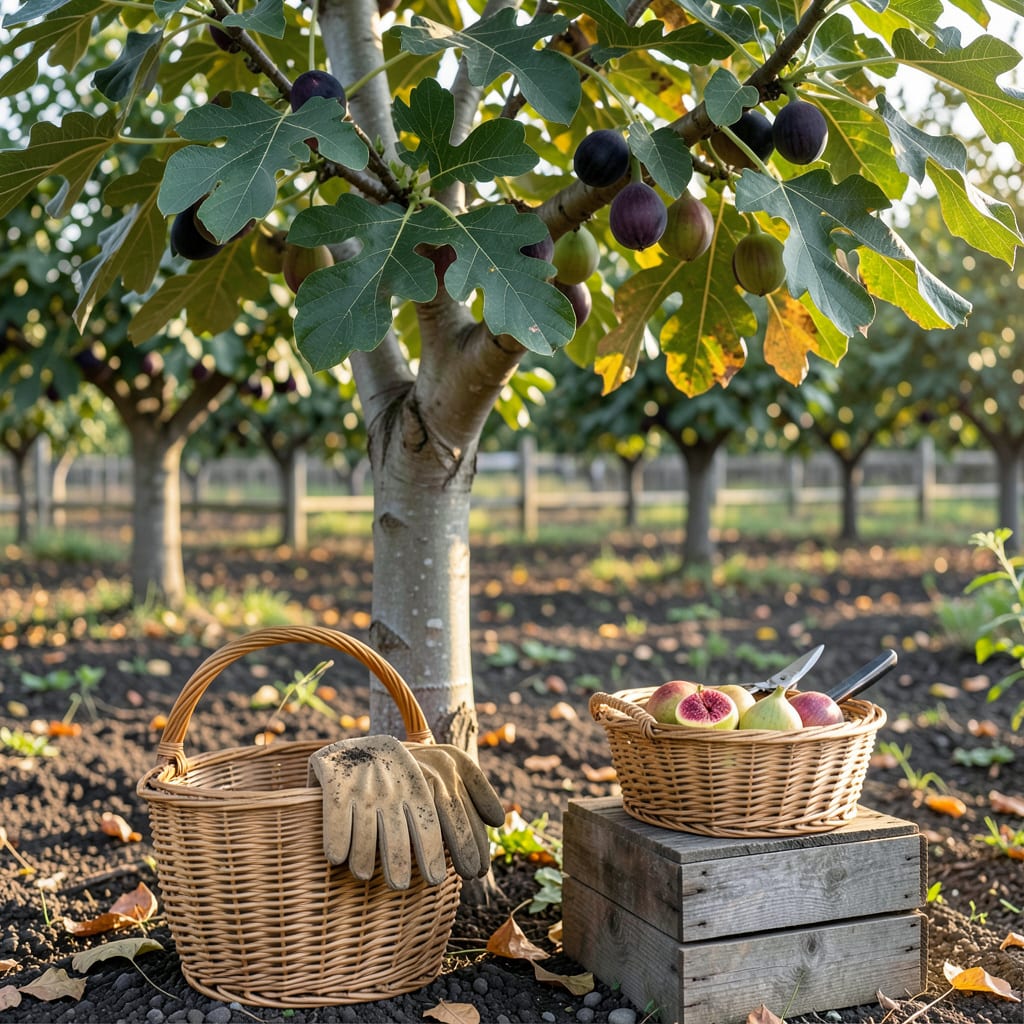
There’s nothing quite like biting into a perfectly ripe fig—sweet, juicy, and bursting with flavor. But timing is everything when it comes to harvesting your 🍑 Fig crop. Pick too early, and you’ll miss out on that luscious sweetness; wait too long, and the birds might beat you to it.
I’ve learned the hard way that figs don’t ripen once picked, so getting it right on the tree is crucial. Let me show you the subtle signs to watch for—from color changes to that telltale droop—that guarantee you’ll harvest at peak perfection every time.


Nothing beats the taste of a tree-ripened fig, but knowing exactly when to pick can feel like solving a puzzle. After years of trial and error with my Black Mission and Celeste trees, I’ve learned to trust these five foolproof signs—not just color, but texture, scent, and even how the fruit hangs.
Figs won’t ripen further once picked, so timing is everything. I check my trees daily in peak season (July–September), gently testing each fig. The rewards? Juicy, honey-sweet fruit that puts store-bought to shame. Here’s what to look for—no guesswork required.
⚠️ Warning: Overripe figs ooze syrup or attract wasps. Harvest at first softness!
I once made the mistake of waiting for all my figs to ripen at once—big error! Figs ripen unevenly, even on the same branch. Now I do multiple harvests, picking only the ready ones every 2–3 days. This extends my season and prevents waste.
For early-season varieties like Celeste, start checking in late June. Late-season figs (Chicago Hardy) might hang until first frost. I keep a harvest journal to track which branches ripen first—it’s saved me from missing prime picking windows.
Weather plays a huge role. After a heat wave, figs ripen faster—sometimes overnight! I lost a batch of Brown Turkey figs to birds after a sudden hot spell. Now I harvest at the first sign of softness during heat waves and store them in the fridge to slow ripening.
If you’re growing container figs, they often ripen 1–2 weeks later than in-ground trees. I’ve noticed my potted Celeste figs need extra patience. Watch for color deepening first, then test softness. Container figs also benefit from consistent watering—drought stress delays ripening.
Don’t forget the taste test! If you’re unsure, pick one fig and sample it. Underripe? It’ll taste bland and starchy. Perfectly ripe? It’ll be sweet, jammy, and melt-in-your-mouth. I sacrifice one fig per batch to confirm ripeness—it’s worth it for the rest of the harvest.
Remember, figs bruise easily. Use clean pruners or your fingers to harvest—never yank! I place a soft basket under the branch to catch any that fall during picking. Store harvested figs in a single layer in the fridge for up to 5 days, or enjoy them fresh within hours for peak flavor. 🪴
Fig trees don’t follow a strict calendar—their harvest windows shift based on variety, climate zone, and even that year’s weather. In my temperate garden (Zone 6a), I’ve found Black Mission figs ripen in late summer, while Celeste figs often arrive earlier. Understanding your tree’s timeline prevents missed harvests.
Most figs take 90–150 days from fruit set to ripeness, but heat waves can speed this up, while cool spells delay it. I track my tree’s progress weekly once July hits, noting color shifts and size changes. Mediterranean climates may see two harvests—early summer and fall—while cooler areas get one concentrated flush.
| Variety | Harvest Window | Climate Suitability |
|---|---|---|
| Black Mission | July–September | Zones 7–10 |
| Brown Turkey | August–October | Zones 7–9 |
| Celeste | June–August | Zones 6–9 |
| Kadota | July–September | Zones 8–10 |
| Chicago Hardy | August–Frost | Zones 5–10 |
💡 Pro Tip: In cooler zones, protect late-season figs with frost cloth to extend ripening.
If you’re growing container figs, expect a slightly later harvest—they ripen 2–3 weeks behind in-ground trees. I’ve noticed potted Celeste figs often peak in late August instead of July. Watch for color deepening (purple, amber, or green-yellow, depending on variety) as your first clue.
Hot, dry summers accelerate ripening, while rainy spells can cause fruit splitting. I once lost half my Brown Turkey crop to cracks after a monsoon week. If rain’s forecasted, harvest figs at the first sign of softness—they’ll finish ripening indoors on your counter.
For early-season varieties like Celeste, start checking in late June. Late-season figs (Chicago Hardy) might hang on until first frost. I mark my calendar with two key dates: first expected ripening (based on variety) and local frost date—then adjust as I monitor the tree.
Remember, figs ripen unevenly—even on the same branch. I harvest mine in 3–4 passes, picking only the ready ones each time. This stretches my harvest over 4–6 weeks instead of overwhelming me with a single glut of fruit. Keep a gentle grip and twist slightly; if it resists, it’s not ready! 🌿
Even experienced gardeners can sabotage their fig harvest with simple oversights. I’ve made my share of errors—like waiting too long and losing fruit to birds or picking too early and ending up with bland, starchy figs. The key is knowing what not to do as much as what to watch for.
One of the biggest mistakes? Ignoring weather impacts. A sudden heatwave can turn figs from underripe to overripe in 24 hours, while heavy rain causes splitting. I learned this the hard way when a summer storm ruined half my Brown Turkey figs. Now I monitor forecasts and adjust my harvest schedule accordingly.
💡 Pro Fix: If figs fall before ripening, they won’t sweetten. Prevent drops with consistent watering and wind protection.
Another critical error is skipping the taste test. If you’re unsure, sample one fig from the batch. Underripe fruit tastes starchy and bland, while perfectly ripe figs are jammy and sweet. I sacrifice one fig per harvest to avoid disappointment—it’s a small price for a perfect batch.
Container-grown figs often get neglected during harvest. Potted trees ripen 1–2 weeks later than in-ground plants, so don’t rush them. I check my container Celeste figs daily once they start coloring up, but I wait for that tell-tale softness before picking. Patience pays off with better flavor.
Finally, don’t forget post-harvest care. Figs release ethylene gas, which speeds up spoilage. I store mine in a single layer on a tray lined with paper towels to absorb moisture. For longer storage, place them in a perforated bag in the fridge’s crisper drawer—they’ll keep for up to a week. 🌱
Figs won’t ripen further once picked. Early harvesting results in starchy, bland fruit that lacks sweetness. Always wait for softness and neck droop before picking.
Check daily once ripening begins, as figs can go from perfect to overripe in 24-48 hours. Focus on color changes and gentle softness. Hot weather speeds this up!
No, figs only ripen on the tree. Once picked, store in a single layer in the fridge for up to 5 days. Room temperature works for 1-2 days max.
Premature drops often result from inconsistent watering, wind damage, or pest stress. Maintain even moisture and protect trees during storms. Fallen figs won’t ripen further.
Celeste ripens in summer, while Chicago Hardy may produce until frost. Check variety-specific timelines and watch for color shifts unique to each type.
