
Beautiful Plants For Your Interior
Beautiful Plants For Your Interior
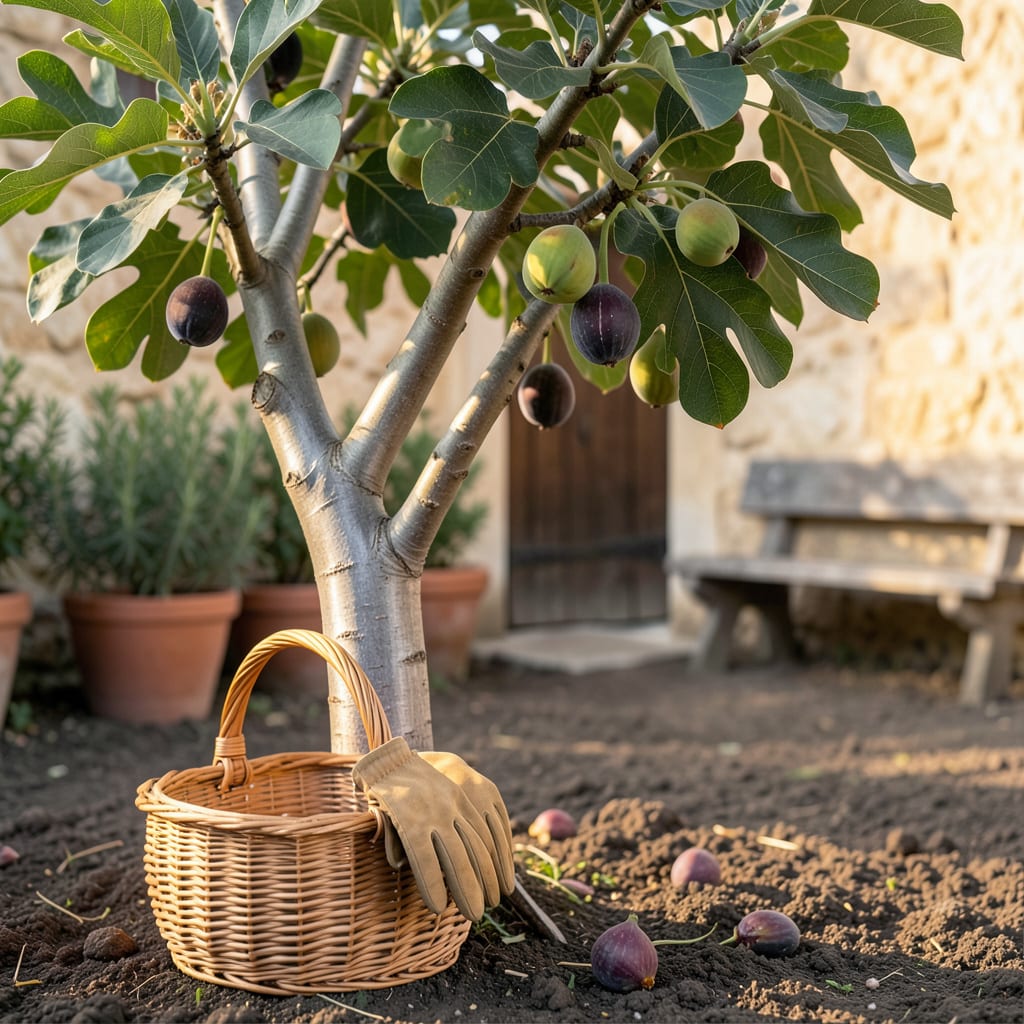
There’s nothing quite like the taste of a perfectly ripe fig—sweet, jammy, and bursting with flavor. But timing is everything when it comes to harvesting these delicate fruits. Pick too soon, and you’ll get a bland, rubbery disappointment; wait too long, and you might find them overripe or claimed by hungry birds.
I’ve learned the hard way that figs don’t ripen once picked, so knowing exactly when to harvest is crucial. Whether you’re growing them in Zone 6 or a warmer climate, I’ll show you the subtle signs that reveal when your figs are at their peak. Let’s make sure every bite is worth the wait.


Fig trees are generous producers, but their harvest windows shift dramatically based on where you live. In warmer zones (8-11), you might enjoy two crops annually—a breba crop in early summer and the main harvest in late summer or fall. Cooler zones like Zone 6 often see just one late-season flush.
I’ve noticed that heat units and rainfall patterns can speed up or delay ripening by weeks. For example, a heatwave in July might push your Brown Turkey figs to ripen 10 days earlier than average. Let’s break down what to expect in your area.
| USDA Zone | First Harvest (Breba) | Main Harvest | Notes |
|---|---|---|---|
| Zone 6-7 | Late July – August | September – October | Single harvest common; protect from early frosts. |
| Zone 8 | June – July | August – September | Two crops likely; breba crop smaller but sweeter. |
| Zone 9-10 | May – June | July – October | Long season; Black Mission figs thrive here. |
| Zone 11 | April – May | June – November | Year-round potential; watch for drought stress. |
If you’re in Zone 6, your figs will likely ripen later due to the shorter growing season. I recommend using a frost blanket in early fall to extend the harvest window by 2-3 weeks. In contrast, Zone 9 gardeners can often harvest figs well into November, especially with varieties like Celeste.
Rainfall plays a sneaky role too. A wet spring can delay ripening, while dry summer heat accelerates it. I once had a Brown Turkey fig ripen a full month early during a drought—just monitor soil moisture and adjust watering to avoid stress.
For those in coastal areas, the moderate climate often means a longer harvest window. My friend in Zone 10 picks Kadota figs from July through October! If you’re unsure about your microclimate, keep a harvest journal to track ripening patterns year to year.
Remember, figs won’t ripen off the tree, so timing is everything. When in doubt, taste-test one—if it’s sweet and soft, the rest are likely ready. And don’t forget to check for bird damage; netting can save your crop if they’re ripe but you’re not quite ready to pick!
Pro tip: If your figs are splitting before harvest, it’s often a sign of inconsistent watering. Aim for deep, weekly soaks in dry spells to keep the fruit intact. Now, go enjoy that perfect, sun-warmed fig straight from the tree!
After years of growing figs, I’ve seen even experienced gardeners make simple errors that cost them their entire harvest. The most common? Picking too early—those rock-hard figs will never ripen off the tree. I once rushed a batch of Black Mission figs and ended up with a bowl of flavorless rubber balls.
Another heartbreaker is waiting too long. Overripe figs ferment quickly, attract pests, or split open on the branch. I lost half my Brown Turkey crop one year because I hesitated during a heatwave. Timing is everything, and figs give subtle clues when they’re ready.
⚠️ Avoid These Fig Harvest Disasters:
Here’s a trick I swear by: the “neck test”. A ripe fig’s neck (where it meets the stem) will droop slightly and separate with a gentle twist. If it resists, walk away—check again in 24-48 hours. For varieties like Celeste, the skin may also develop tiny cracks near the base.
Post-harvest mistakes are just as costly. Never stack figs—they bruise easily. Instead, place them in a single layer on a tray. If you must store them, use the fridge’s crisper drawer (they’ll last 2-3 days). For longer keeping, freeze whole figs on a tray before bagging.
Finally, watch for splitting. This usually means inconsistent watering or heavy rain after a dry spell. I combat this by mulching with 3 inches of straw to keep soil moisture steady. And if wasps are a problem, hang fake wasp nests nearby—they’re territorial and will deter others!
Remember, figs are one-and-done fruits—they won’t improve after picking. When in doubt, taste-test one. If it’s honey-sweet and jammy, the rest are ready. Now go enjoy that perfect harvest—just don’t blame me if you eat them all before they make it inside!
Look for three key signs: the fig should have a deep, rich color (no green patches), a slight droop at the neck, and a soft give when gently squeezed. Some varieties like Black Mission may also develop tiny cracks near the stem.
Figs won’t ripen off the tree, so early picking means starchy, bland fruit with a rubbery texture. Unlike some fruits, figs need the tree’s nutrients to develop their signature sweetness. Wait until they’re fully ripe for the best flavor.
Splitting usually happens due to inconsistent watering—either drought followed by heavy rain or erratic irrigation. To prevent it, maintain even soil moisture with deep watering 1-2 times per week and mulch around the base.
In Zone 6 and colder, frost will damage unharvested figs, turning them mushy. If frost is forecast, pick all nearly ripe figs immediately—even if not fully mature—and use them for jams or baking. Cover the tree with a frost blanket to protect late bloomers.
Birds can devour a crop overnight! Use fine mesh netting draped over the tree or hang shiny reflective tape to deter them. For a natural solution, plant bird-friendly distractors (like sunflowers) elsewhere in your garden.
