
Beautiful Plants For Your Interior
Beautiful Plants For Your Interior
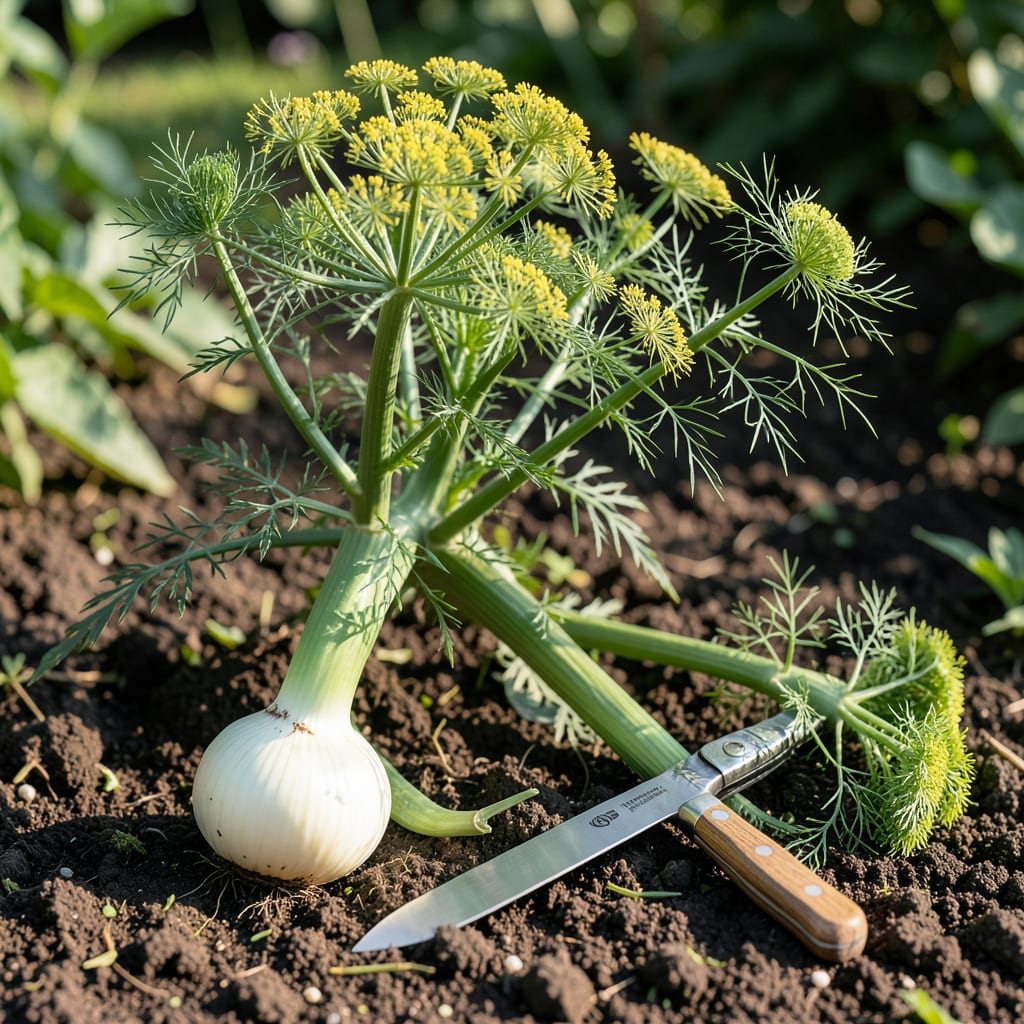
Timing your fennel harvest can make or break the flavor. June – July is when 🌿 Fennel reaches its peak, but the real secret lies in the visual cues.
I’ll show you exactly how to spot that sweet spot between underripe and overripe. Discover the simple signs that guarantee the best taste and texture.


I always watch for that perfect moment when my fennel bulbs are ready to harvest. The key is in the bulb diameter—aim for 3-4 inches across, about the size of a tennis ball. Anything smaller and it’s underdeveloped.
Firmness matters too. A ripe fennel bulb should feel solid when I gently squeeze it, not soft or spongy. If it gives too much, it’s not quite there yet.
| Sign | Description |
|---|---|
| Bulb Size | 3-4 inches diameter |
| Firmness | Solid to touch |
| Foliage | Slight yellowing |
| Aroma | Strong anise scent |
| Base | Swollen appearance |
The fronds give clues too. When I see the outer leaves starting to yellow slightly, that’s a good indicator. But if they’re still bright green, I wait a bit longer.
Color changes are subtle but important. The base of the plant should look swollen and full. If it’s still thin and spindly, it’s not ready for picking.
I always check the aroma by crushing a frond near the base. If it releases a strong anise scent, the bulb is likely mature. A weak smell means it needs more time.
Seasonal timing varies by climate. In cooler zones like USDA Zone 6, I harvest in early summer. Warmer areas might see mature bulbs a few weeks sooner. I adjust based on my local last frost date.
For the best flavor and texture, I pick fennel in the morning after dew has dried but before the heat of the day. This helps preserve its sweetness and crispness.
If I’m unsure, I harvest one bulb as a test. Cutting it open reveals its true readiness—tight layers mean it’s perfect, while loose or fibrous layers suggest waiting.
Remember, fennel matures in 80-90 days from seed. I mark my planting date to track progress, but visual cues always take priority over the calendar.
🌿I’ve learned the hard way that harvest timing dramatically affects fennel quality. Picking too early gives me small, underdeveloped bulbs with weak flavor and tough texture. The aroma won’t be strong either.
Wait too long, and the bulbs become fibrous and bitter. The outer layers start to split, and the sweetness fades as the plant focuses on seed production. Storage life also suffers.
If I pick too early, I can sometimes leave the plant to mature further. But once it’s overripe, there’s no fixing the bitterness. I use these early bulbs for frond garnishes instead.
For late harvests, I immediately trim the fronds and use the bulbs right away. They won’t store well, but the fronds retain flavor longer than the bulbs do.
I’ve found that morning harvests help preserve sweetness, even with slightly overripe bulbs. The cool temperatures slow sugar conversion, keeping the flavor balanced a bit longer.
To avoid mistakes, I check bulbs weekly once they near maturity. A quick firmness test and size check prevent missed windows. I also note that bolting begins quickly after peak ripeness.
🌿I don’t stop at bulbs when harvesting fennel. The fronds are packed with flavor and can be harvested throughout the season without harming the plant. I snip outer fronds first, leaving the inner growth to mature.
For the best flavor, I harvest fronds in the morning when their essential oils are most concentrated. I cut them about 1-2 inches above the base to encourage regrowth. Never remove more than one-third of the foliage at once.
When it comes to fennel seeds, I wait until the flower umbels turn brown and dry. This usually happens in late summer or early fall. I cut the entire seed head and place it in a paper bag to finish drying.
Once dry, I gently rub the umbels to release the seeds. I store them in an airtight container in a cool, dark place. These seeds can be used for next year’s planting or culinary purposes.
For continuous harvests, I stagger my planting every 2-3 weeks. This ensures I always have fresh fennel at different stages of growth. It’s a simple way to extend my harvest season without extra effort. 🌿
Harvest when bulbs reach 3-4 inches in diameter, about the size of a tennis ball. Smaller bulbs lack full flavor and texture.
Flowering means it’s past peak. Use the fronds for cooking, but bulbs will be tough and bitter. Next time, pick earlier.
Yes! Snip outer fronds anytime, leaving inner growth. Cut 1-2 inches above the base to encourage regrowth.
Don’t wait more than 1-2 weeks maximum. After that, texture turns fibrous and flavor degrades quickly.
