
Beautiful Plants For Your Interior
Beautiful Plants For Your Interior
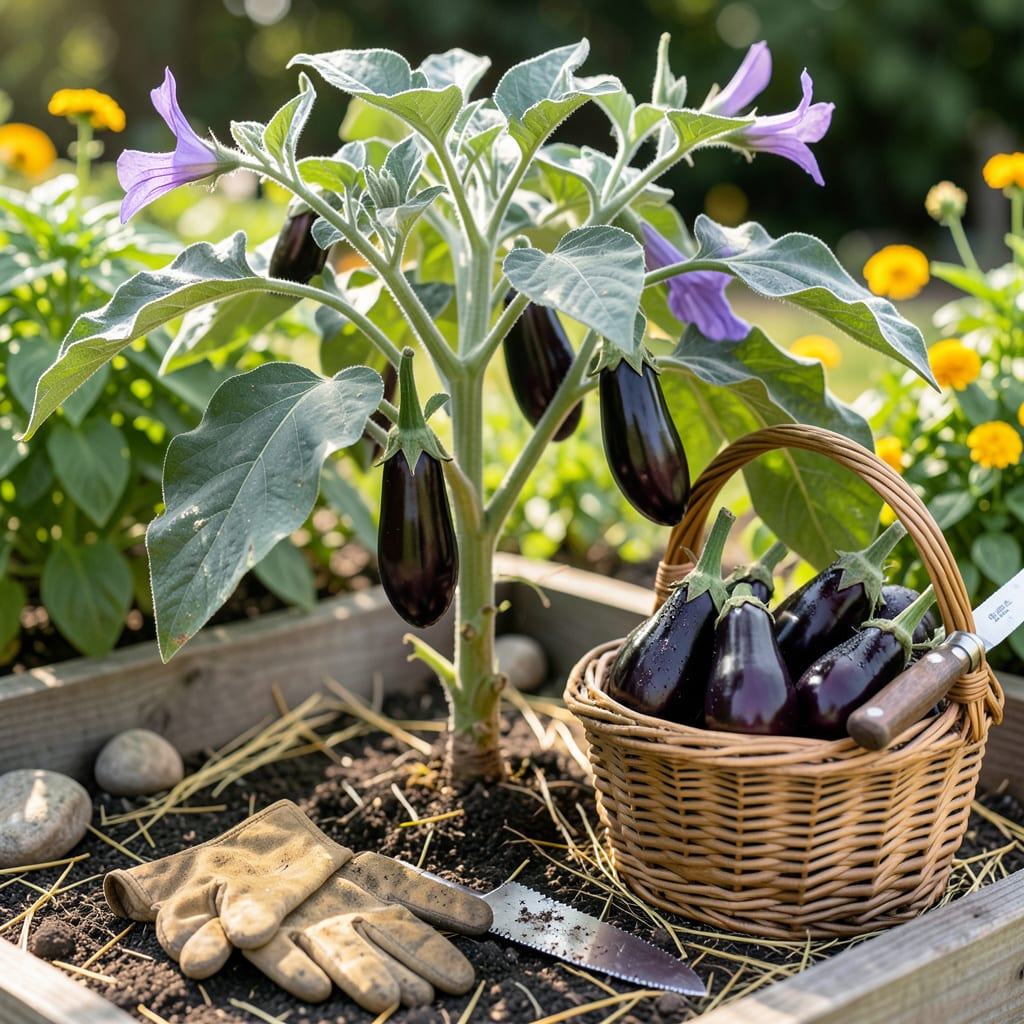
That moment when your 🍆 eggplant finally looks ready—but is it really? Picking too soon means bitter disappointment, while waiting too long turns your harvest into a seedy, spongy mess. I’ve been there, staring at my plants wondering if today’s the day.
The difference between perfect eggplant and a kitchen flop comes down to three simple signs most gardeners miss. Let me show you exactly what to look for—so you’ll never second-guess your harvest again.


Timing your eggplant harvest is like walking a tightrope—pick too soon, and you’ll end up with bitter, rubbery fruit that’s a chore to eat. Wait too long, and those glossy beauties turn into seedy, spongy disappointments. I’ve been there, staring at my plants wondering, “Is today the day?” Let’s break down what really happens when the timing’s off.
An underripe eggplant is your first mistake. It’ll feel unusually firm (like a baseball) and taste harshly bitter—that’s the plant’s way of saying, “Not ready yet!” The seeds inside are tiny and hard, and the flesh lacks that creamy texture we all love. If you’ve accidentally picked one early, don’t toss it! Try slicing it thin and soaking in salted water to mellow the bitterness.
Now, an overripe eggplant is a whole different problem. The skin loses its glossy sheen, turning dull or even wrinkled. Inside, the flesh gets spongy and mealy, and the seeds become large, hard, and bitter. I once left a Black Beauty on the vine too long, and it was like cutting into a sad, deflated balloon. Overripe fruit also saps energy from the plant, reducing future yields.
Here’s the kicker: eggplants don’t ripen off the vine like tomatoes. Once picked, they’re done developing. So if you’ve got a borderline fruit, leave it for another day or two. Test ripeness with the thumb pressure trick—press gently. If the flesh bounces back with slight give (like a ripe avocado), it’s ready. If it stays indented, it’s overripe.
Climate plays a sneaky role too. In hot, dry weather, eggplants mature faster—sometimes in as little as 50 days for varieties like Ichiban. Cool, rainy spells? They’ll drag their feet, taking up to 90 days. Keep a garden journal to track your local patterns. I mark my calendar when flowers appear, then count forward 2–3 weeks to start checking for ripeness.
If you’ve made a mistake, don’t panic! Underripe eggplants can be grilled or roasted to soften their texture, while overripe ones work in dips or purées where texture isn’t critical. But honestly? The best fix is nailing the harvest window next time. Trust the glossy skin, firm pressure, and 6–8 inch length, and you’ll be rewarded with the creamiest, most flavorful eggplants of your life. 🪴
If you’ve ever wondered why your neighbor’s eggplants look perfect while yours are hit-or-miss, the secret often lies in variety-specific timing. Different eggplant types mature at different rates, and knowing your plant’s days-to-maturity range is half the battle. Let’s break it down.
For example, Black Beauty eggplants typically need 65–80 days from transplanting, while Ichiban varieties are ready in just 50–60 days. Climate plays a role too—hotter regions may speed up ripening, while cooler areas could add a week or two. I’ll help you adjust accordingly.
| Variety | Days to Maturity | Ideal Size at Harvest | Best For |
|---|---|---|---|
| Black Beauty | 65–80 days | 6–8 inches long | Classic cooking, grilling |
| Ichiban | 50–60 days | 10–12 inches long | Stir-fries, quick cooking |
| Rosa Bianca | 70–85 days | 4–6 inches wide | Italian dishes, roasting |
| Fairy Tale | 50–60 days | 3–4 inches long | Container gardens, snacks |
✅ Tip: Start counting days from when you transplant seedlings, not from seed sowing!
Tracking days-to-maturity is easier than you think. I mark my calendar when I transplant, then set a reminder for the earliest harvest window. For instance, if you planted Ichiban on May 15th, circle July 5th as your first check-in date.
Don’t forget that weather fluctuations can shift timelines. A sudden heatwave might rush ripening, while a cool spell could delay it. I always do a gentle squeeze test—if the fruit springs back slightly, it’s ready. If it feels rock-hard or mushy, give it more time.
If you’re growing multiple varieties, keep a harvest log to note which ones ripen first. This helps plan succession planting next season. And remember: regular harvesting encourages more fruit production, so don’t let overripe eggplants linger on the plant! 🌱
Once they reach 5-6 inches in length, check every 2-3 days. Eggplants ripen quickly in warm weather, so frequent monitoring prevents overripening. A quick gentle squeeze test is all you need.
Small eggplants (under 5 inches) are usually underripe and bitter. Wait until they reach mature size for your variety—typically 6-8 inches for most types. Exceptions exist for mini varieties like Fairy Tale.
Harvest in the early morning when temperatures are cooler. This helps preserve freshness and reduces plant stress. Use clean pruners or a sharp knife, leaving 1 inch of stem attached.
Overripe eggplants lose their glossy skin, becoming dull or wrinkled. The flesh feels spongy when pressed, and seeds turn brown. Harvest immediately if you notice these signs.
No, eggplants don’t ripen off the vine like tomatoes. Pick only when fully ripe, as they won’t improve in flavor or texture after harvesting. Store at room temperature and use within 3-5 days.
