
Beautiful Plants For Your Interior
Beautiful Plants For Your Interior
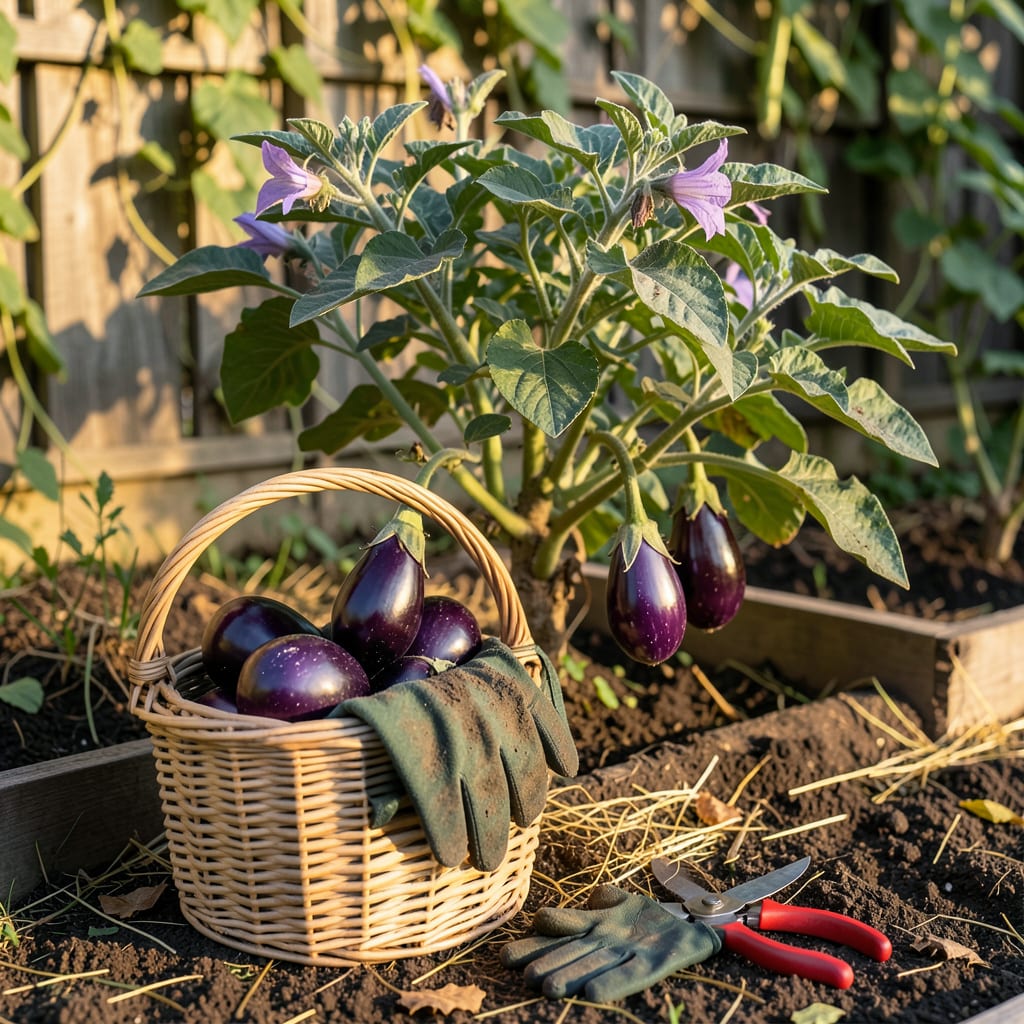
There’s nothing worse than watching your 🍆 eggplant grow all season, only to pick it too late—or too soon—and end up with something bitter or rubbery. Timing is everything when it comes to that perfect balance of tender flesh and rich flavor.
I’ve learned the hard way that waiting for the right cues makes all the difference. Whether you’re growing classic Black Beauty or slender Ichiban, I’ll show you exactly how to spot peak ripeness—and why that glossy skin and firm touch are your best guides.


Knowing exactly when to pick your 🍆 eggplant can feel like solving a puzzle—but the clues are right there in the fruit. I’ve found that color alone isn’t enough; you need to check the skin’s shine, firmness, and size too. A ripe eggplant practically begs to be picked!
Most varieties, like Black Beauty or Ichiban, reach peak ripeness in 70–90 days after transplanting. But don’t just count days—look for a deep, uniform color and a glossy finish. Dull skin or a rubbery feel means it’s not ready yet.
| Ripeness Sign | What to Look For |
|---|---|
| Color 🟡 | Deep purple (or variety-specific hue) with no green patches |
| Size 📏 | 6–8 inches long for most varieties (check seed packet) |
| Skin Texture ✅ | Glossy and firm—not dull or soft |
| Stem ✂️ | Green and pliable (brown/dry means overripe) |
| Flesh Test 🪴 | Press gently—should spring back slightly |
If you’re growing white or green eggplants, like ‘Casper’ or ‘Thai Green’, skip the purple rule. Instead, watch for a creamy white or vibrant green hue. Size and shine still apply—these varieties should feel heavy for their size when ready.
Timing matters too: morning harvests yield the best flavor, as sugars peak after cool nights. In hot climates, pick eggplants slightly early to avoid bitter seeds. I aim to harvest every 3–5 days once production starts—this keeps the plant pumping out new fruit.
Overripe eggplants are a sad sight—dull skin, spongy flesh, and hard seeds inside. If you miss the window, the flavor turns bitter, and the texture gets mealy. When in doubt, cut one open: tiny, soft seeds mean it’s perfect; large, brown seeds mean it’s past prime.
Here’s a pro trick: Use pruners or sharp scissors to snip the stem, leaving about 1 inch attached. Twisting or pulling can damage the plant and invite disease. Always sanitize your tools between cuts to prevent spreading bacteria.
Don’t forget to check the calyx (that leafy cap on top). On ripe eggplants, it should be bright green and fresh-looking. If it’s wilted or brown, the fruit is likely overmature. This is especially true for heirloom varieties, which can decline faster than hybrids.
In cooler zones (like USDA 6), eggplants often ripen slower. Extend the season by covering plants with row fabric if early frosts threaten. In hot zones (like USDA 9+), harvest frequently to prevent sun scald—those glossy skins can burn in intense afternoon sun.
Finally, if you’re growing miniature eggplants (like ‘Fairy Tale’), they’re ready at just 3–4 inches. These bite-sized varieties are sweeter when picked young. For all types, regular harvesting encourages more production—so don’t let them linger too long on the plant!
Harvesting your 🍆 eggplant the right way ensures you don’t harm the plant—or your future harvests. I’ve ruined a few stems by yanking fruit off carelessly, and trust me, the plant lets you know by wilting or stopping production. The key is using the right tools and gentle technique.
Always use clean, sharp pruners or garden scissors to cut the stem. Leave about 1 inch of stem attached to the fruit to prevent rot. Never twist or pull—this can tear the plant’s branches and create entry points for diseases or pests.
❌ Pulling fruit by hand → Damages stems and roots.
❌ Using dull tools → Crushed stems invite infection.
❌ Harvesting in midday heat → Fruit wilts faster post-pick.
❌ Leaving stubs too long → Can rot and spread to plant.
Harvest in the early morning when temperatures are cool. This is when eggplants are most hydrated and crisp, and they’ll store better. If you must harvest later, shade the fruit immediately to prevent sunscald or wilting. I keep a basket lined with a towel to cushion the eggplants and prevent bruising.
After cutting, inspect the plant for new flower buds or tiny fruit. These are signs your plant is still productive. If you notice yellowing leaves or stunted growth, it might need a boost of balanced fertilizer (like 10-10-10) to keep producing. Water deeply after harvesting to help the plant recover.
For container-grown eggplants, be extra gentle—their root systems are more limited. Support the main stem with one hand while cutting with the other to avoid tipping the pot. These plants often need more frequent watering after harvest, as the fruit removal can stress them temporarily.
If you’re growing heirloom varieties, like ‘Rosa Bianca’ or ‘Listada de Gandia’, their thinner skins bruise more easily. Handle them like you would a ripe tomato—one hand under the fruit, one hand cutting. Store these varieties in the fridge unwashed to extend freshness, as moisture speeds up spoilage.
Finally, sanitize your tools after each use with rubbing alcohol or a bleach solution (1 part bleach to 9 parts water). This prevents spreading bacterial wilt or fungal spores between plants. A quick wipe takes seconds but saves your garden from bigger headaches later.
Not all 🍆 eggplants ripen the same way—some varieties show their readiness with deep purple hues, while others stay green or white. I’ve grown everything from classic Black Beauty to delicate Rosa Bianca, and each has its own perfect picking window.
Most standard varieties, like Ichiban or Nadia, are ready in 70–80 days, but heirlooms can take longer. The key is watching for variety-specific cues—whether it’s size, color, or that telltale glossy sheen we talked about earlier.
| Variety | Days to Harvest | Ready When… | Size at Maturity |
|---|---|---|---|
| Black Beauty | 75–85 days | Deep purple, glossy skin | 6–8 inches long |
| Ichiban | 60–70 days | Slender and firm, dark purple | 8–10 inches long |
| Rosa Bianca | 80–90 days | Lavender-pink with cream streaks | 4–6 inches wide |
| Thai Green | 65–75 days | Vibrant green, firm to touch | 3–5 inches long |
| Fairy Tale | 50–60 days | Miniature size, deep purple | 2–3 inches long |
If you’re growing white eggplants like ‘Casper’, don’t wait for color changes—instead, check for firmness and a slight give when pressed. These varieties often ripen faster, so I check them every 2–3 days once they near maturity.
For heirloom varieties, like ‘Listada de Gandia’, the striped patterns should be vivid and contrast sharply. Their skins are thinner, so harvest them a day or two earlier than hybrids to avoid oversoftening. I’ve found these taste best when picked slightly underripe.
In hot climates (Zones 9–11), eggplants mature faster—sometimes 5–7 days earlier than listed. Use the fingernail test: press gently into the skin. If it leaves a slight indent that bounces back, it’s ready. If the indent stays, it’s overripe.
Remember, regular harvesting keeps plants productive. I aim to pick every 3–4 days during peak season. If you spot flowers or tiny fruit, your plant’s still in production mode—so keep the water and fertilizer coming to fuel the next round! 🌱
Overripe eggplants lose their glossy shine and feel spongy when pressed. The skin turns dull, and the seeds inside become large and hard, making the flesh bitter. If the stem looks brown and dried out, it’s past its prime.
You can, but flavor and texture are best at full size. Most varieties need to reach 6–8 inches long. However, miniature types like ‘Fairy Tale’ are ready at just 2–3 inches. Picking too early may result in a less sweet, slightly tougher fruit.
Early morning is ideal, when temperatures are cool and the fruit is most hydrated. This helps eggplants stay fresher longer after picking. Avoid midday heat, which can cause wilting or sunscald. Keep a shaded basket handy if harvesting later.
Once fruiting begins, inspect plants every 2–3 days. Eggplants can go from perfect to overripe quickly, especially in hot weather. Regular harvesting also encourages the plant to produce more fruit. Set a reminder if you tend to forget!
Only if done incorrectly! Always use clean pruners and leave 1 inch of stem attached. Never pull or twist the fruit, as this can damage branches. Proper technique keeps the plant healthy and productive for weeks.
