
Beautiful Plants For Your Interior
Beautiful Plants For Your Interior
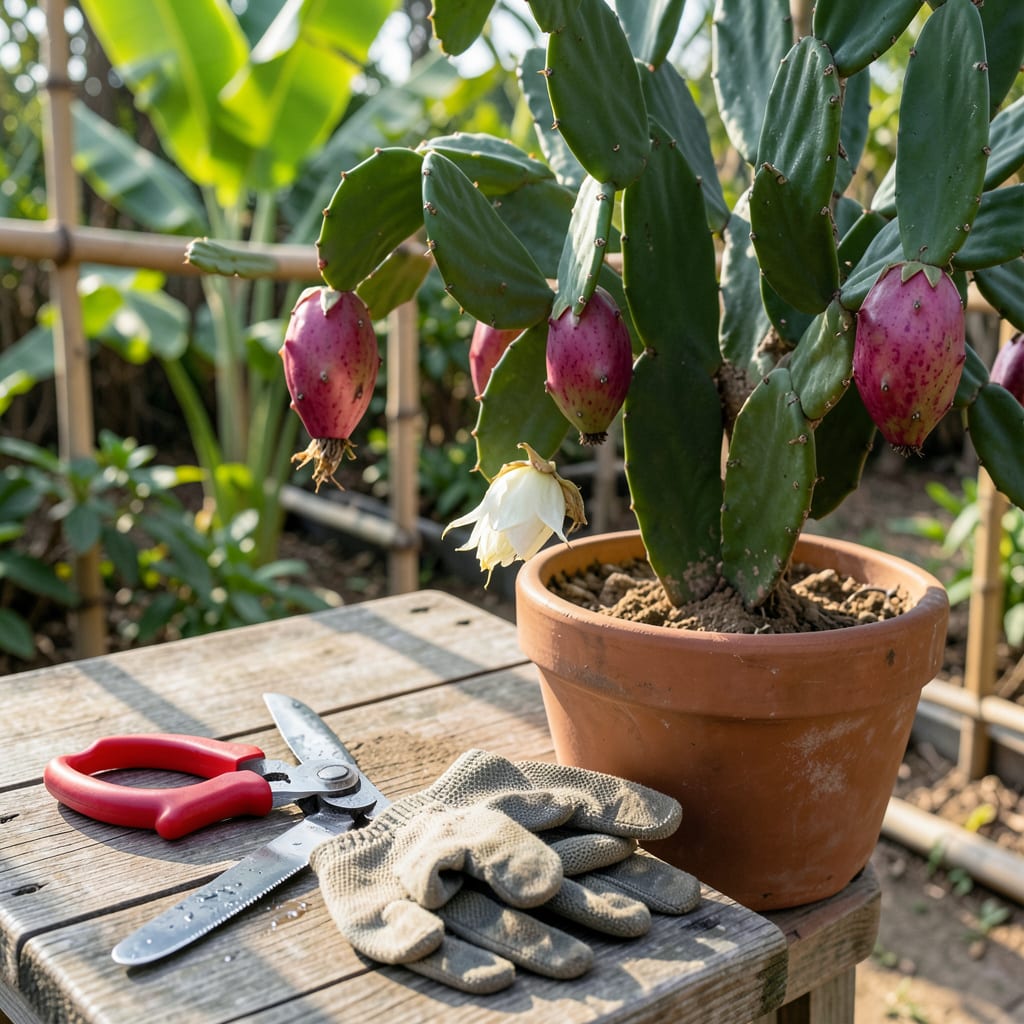
That moment when your 🐉 Dragon Fruit finally ripens—only to realize you missed the perfect window. One day too early, and it’s tart and firm; one day too late, and it’s mushy and overpowering. Timing isn’t just luck—it’s the difference between a forgettable bite and a burst of tropical sweetness.
I’ve learned the hard way that color shifts and subtle texture changes are your best clues. Whether you’re growing in Zone 6a or a sunnier climate, nailing the harvest comes down to a few key signs. Let me show you exactly what to watch for—so you never second-guess that perfect pick again.


Not all dragon fruit varieties ripen on the same schedule. The classic red-fleshed Pitaya (Hylocereus undatus) typically reaches peak ripeness 150 days after flowering, while the yellow dragon fruit (H. megalanthus) often matures faster—sometimes in just 120 days. Timing varies dramatically between types.
I’ve found that color progression is the most reliable indicator. Red varieties shift from green to deep magenta, while yellow types transition to a golden hue. The Costa Rican red (H. costaricensis) falls somewhere in between, with a vibrant pink shell when ready. Climate plays a role too—hotter zones speed up ripening.
| Variety | Ripeness Signs | Days to Harvest | Flavor Profile |
|---|---|---|---|
| Red Pitaya | Deep pink skin, slight give | 140-160 days | Sweet with kiwi-like texture |
| Yellow Dragon | Golden-yellow shell, fragrant aroma | 120-140 days | Honey-like sweetness |
| Costa Rican Red | Bright pink, wing scales soften | 130-150 days | Tart-sweet balance |
For yellow varieties, I always check for a sweet fragrance at the stem—this is a dead giveaway for ripeness. Red types, however, rely more on visual cues since their aroma is subtler. If you’re growing multiple varieties, keep a harvest log to track each plant’s timeline.
Climate tweaks the timeline too. In Zone 9-11, dragon fruit may ripen 2-3 weeks earlier than in cooler zones like Zone 6a. If you’re in a shorter growing season, consider greenhouse cultivation to extend the harvest window. I’ve had success with row covers to trap heat.
Pro tip: Night harvesting can improve flavor. Dragon fruit’s sugar content peaks in cooler evening temps. Use a headlamp to spot ripe fruit—look for those with uniform color and no green patches. A gentle twist should release the fruit cleanly from the vine.
If you’re unsure, perform the “thumb test”: press lightly on the fruit’s side. Perfect ripeness feels like a ripe avocado—firm but with a slight yield. Overripe fruit will feel mushy, while underripe ones stay rock-hard. Trust your instincts, and don’t rush the process! 🌱
Remember, harvest frequency varies. A healthy dragon fruit vine can produce 3-6 harvest cycles per year in ideal conditions. After picking, store fruit at room temperature for 1-2 days to enhance sweetness, or refrigerate for up to 5 days. 🪴
Timing your dragon fruit harvest is everything. Pick too soon, and you’ll end up with a hard, sour fruit that lacks sweetness. Wait too long, and the flesh turns mushy or fermented, ruining the texture. I’ve made both mistakes—trust me, neither is worth repeating!
The underripe dragon fruit is easy to spot: it stays firm as a rock, with green-tinged skin and a tart, almost bitter taste. Even if it eventually softens off the vine, the flavor never fully develops. Overripe fruit, on the other hand, feels spongy to the touch and may ooze liquid.
If you’ve picked fruit slightly early, try the paper bag trick: place it in a bag with a ripe banana for 24-48 hours. The ethylene gas speeds ripening. For overripe fruit, immediate refrigeration can slow decay—use it within 24 hours for smoothies or freezing.
Climate affects consequences too. In hot zones (9-11), overripe fruit ferments faster, while in cooler areas (6a-8), underripe fruit may never sweeten properly. I’ve noticed that yellow varieties tolerate slight under-ripeness better than red types, which turn mealy if left too long.
Adjust future harvests by tracking your mistakes. If fruit was sour, wait 2-3 more days next time. If mushy, pick 1 day earlier. Keep a harvest journal noting dates, variety, and ripeness signs—it’s the best way to refine your timing. 🌱
Look for vibrant color changes—red varieties turn deep pink/magenta, while yellow types shift to golden hues. The “wings” (scales) should also appear slightly dried at the tips. A uniform color without green patches is key.
Size matters too: ripe fruit typically measures 6-8 inches long.
Early morning or evening is ideal—sugar content peaks during cooler hours. Avoid midday harvests when temps exceed 90°F, as heat can stress the plant and reduce fruit quality.
Use a headlamp for night picking if needed—just watch for nocturnal pollinators!
Yes! Place underripe fruit in a paper bag with a banana for 24-48 hours. The ethylene gas from the banana accelerates ripening. Check daily—once it yields slightly to pressure, it’s ready.
This trick works best for fruit that’s already 80% colored.
This often happens with over-watered plants or fruit harvested after heavy rain. Excess moisture dilutes sugars. Also, yellow varieties naturally taste sweeter than red types—check your variety’s expected flavor profile.
Next season, reduce water 2 weeks before harvest to concentrate sugars.
A mature dragon fruit vine can produce 3-6 harvest cycles annually in ideal conditions. Each cycle yields 4-6 fruits per branch. Cooler climates may see fewer cycles, while tropical zones can get year-round production.
Prune after each harvest to encourage new growth and more blooms!
