
Beautiful Plants For Your Interior
Beautiful Plants For Your Interior
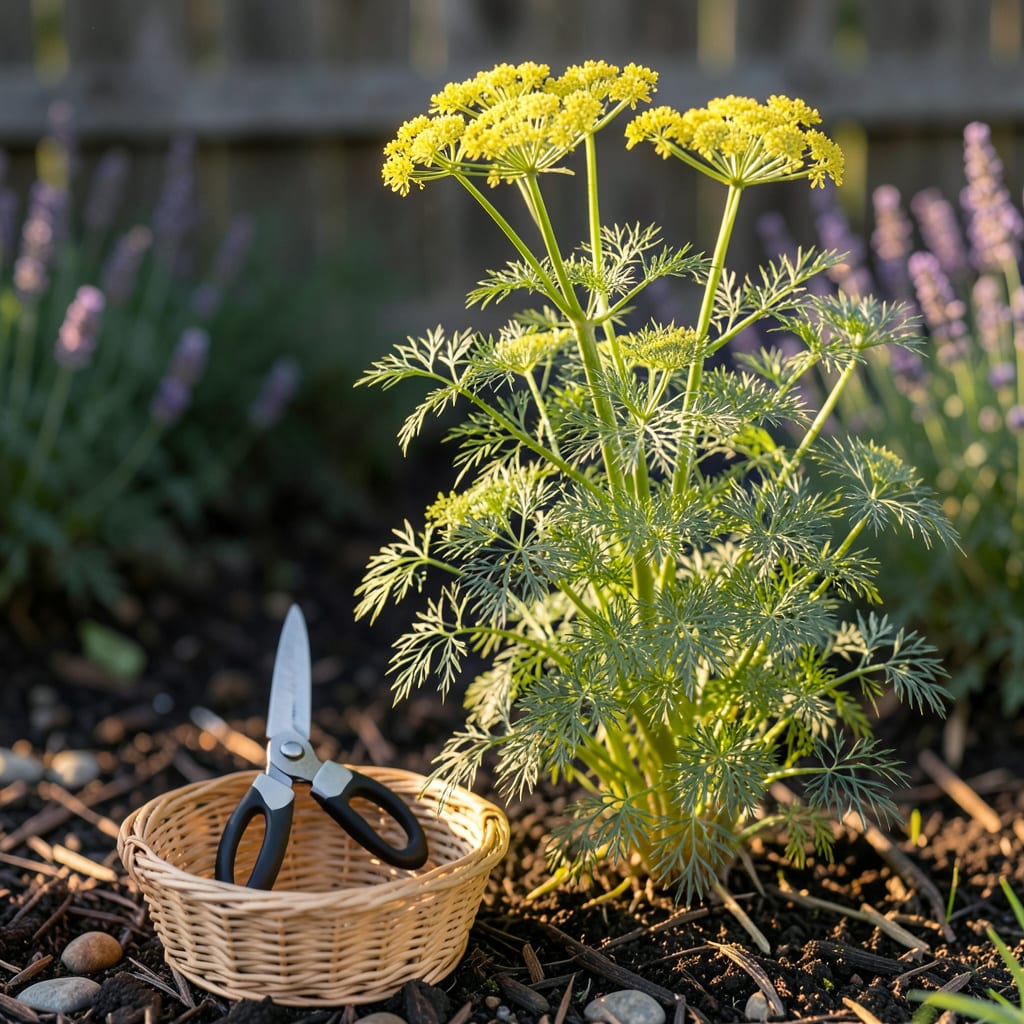
There’s nothing like the burst of fresh dill to elevate your dishes—but pick it too early or too late, and you’ll miss that signature flavor. I’ve learned the hard way that timing is everything when it comes to harvesting this delicate herb.
Whether you’re growing 🌿 dill in your garden or containers, knowing exactly when to snip those feathery fronds makes all the difference. Let me walk you through the simple visual cues and seasonal timing that guarantee the most aromatic harvest—without harming your plant’s future growth.


If you’ve ever wondered when to pick dill for that perfect burst of flavor, I’ve got good news—your plant actually gives you clear signals. The ideal window opens when your dill reaches 6-8 inches tall, typically 60 days after sowing. This is when the leaves are most aromatic and tender.
Timing matters because dill’s flavor changes dramatically as it matures. Young leaves offer a milder, grassier taste, while mature foliage delivers that bold, tangy punch we love. Watch for bright green, feathery leaves and sturdy stems—these are your first visual cues that harvest time is near.
| Stage | When to Pick | Best For |
|---|---|---|
| Young Leaves | 4-6 weeks after sowing | Salads, garnishes |
| Mature Leaves | 8-10 weeks (6-8″ tall) | Cooking, pickling |
| Flower Buds | Just before opening | Dill weed, pollinators |
| Seed Heads | When brown & dry | Pickling, seed saving |
⏰ Pro Tip: Morning harvests yield the most flavorful dill—wait until dew evaporates but before midday heat.
For the strongest flavor, I always check the aroma test—rub a leaf between your fingers. If it releases a potent dill scent, it’s ready. This usually happens when the plant is fully leafed out but before flowers appear. Once flowers form, the leaves become bitter, so act fast!
If you’re growing dill for seeds, you’ll need more patience. Wait until the flower heads turn brown and the seeds are firm and dry. This typically takes 90-120 days from sowing. The seeds should detach easily when rubbed between your fingers.
Climate plays a role too. In cooler zones, dill matures slower, so you might harvest leaves at 10 weeks instead of 8. Hot climates speed things up—watch for early flowering and harvest leaves sooner. I’ve found that successive planting every 3 weeks ensures a steady supply.
One trick I swear by: Harvest before the hottest part of summer. Dill bolts quickly in heat, turning bitter. If temperatures soar above 80°F, prioritize leaf harvests and consider shade cloth to extend your season. The plant’s lifespan shortens after flowering, so timing is critical.
Don’t forget the stem test—when stems snap cleanly instead of bending, your dill is at peak harvest readiness. This simple check prevents you from picking too early when stems are still soft and flexible. For seed harvests, wait until stems turn tan and brittle.
If you’re growing dill in containers, monitor moisture closely. Potted dill often matures 1-2 weeks faster than garden-planted herbs due to root restriction. I check my container dill daily once it reaches 4 inches tall—it can go from ready to overgrown surprisingly fast!
Remember, the more you harvest, the more dill produces—if you do it right. Never remove more than 1/3 of the plant at once, and always cut above a leaf node to encourage bushier regrowth. With these timing tips, you’ll enjoy fresh dill all season long. 🌱
I’ve ruined my fair share of dill plants by harvesting too aggressively. The secret is knowing exactly where to cut and how much to take at once. Start by examining your plant—look for healthy stems that are at least 6-8 inches tall with vibrant green leaves.
Always use sharp garden scissors or pruning shears to make clean cuts. Avoid tearing the stems, which can introduce disease. The best time to harvest is in the early morning when the plant’s essential oils are most concentrated, giving you the strongest flavor possible.
⚠️ Warning: Over-Harvesting Kills Dill
Never remove more than 1/3 of the plant at once. Cutting the central stem too early stops regrowth. Always leave 2-3 healthy stems untouched to keep your plant producing.
For leaf harvesting, snip individual stems about 1 inch above the base. This encourages bushier growth. If you’re after dill seeds, wait until the flower heads turn light brown but cut before they fully dry out and shatter.
After harvesting, give your plant a light watering to help it recover. I like to add a half-strength fertilizer every 4-6 weeks during growing season to boost regrowth. Avoid heavy feeding, which can dilute the dill’s signature flavor.
If you notice yellowing leaves after harvesting, your plant may need more water or less direct sun. Dill recovers quickly when given proper care—most of mine bounce back within 7-10 days for another harvest cycle.
Remember that container-grown dill needs more frequent harvesting to prevent legginess. I check my potted plants every 3-4 days during peak season, while in-ground plants can go 5-7 days between harvests without issues.
Understanding when to pick dill at each growth stage ensures you get the best flavor and keep your plant productive. The same plant offers three distinct harvests: tender leaves, aromatic flowers, and flavorful seeds—each with its own perfect timing and uses.
Young dill leaves are ready in as little as 4-6 weeks, while seeds may take 12+ weeks. The key is recognizing the visual differences between stages—bright green leaves for early harvests, feathery yellow flowers for mid-season, and brown seed heads for late-season collecting.
| Stage | Harvest Time | Visual Cues | Best Uses |
|---|---|---|---|
| Young Leaves | 4-6 weeks | 6″ tall, bright green | Fresh salads, garnishes |
| Mature Leaves | 8-10 weeks | 12″+ tall, feathery | Cooking, pickling |
| Flower Buds | 10-12 weeks | Yellow umbels forming | Dill weed, pollinators |
| Seed Heads | 12-14 weeks | Brown, dry heads | Pickling, seed saving |
💡 Pro Tip: For continuous harvests, plant new seeds every 3 weeks and focus on leaf picking before flowers form.
For leaf production, harvest frequently but lightly—never more than 1/3 of the plant at once. This encourages bushier growth. Once flowers appear, the leaves become bitter, so shift focus to seed collection if you’ve missed the leaf window.
Seed harvesters should watch for brown, papery seed heads that rattle when shaken. Cut entire stems and hang upside-down in a paper bag to catch falling seeds. The seeds are ready when they’re flat and tan, not green or plump.
Remember that container-grown dill often matures 1-2 weeks faster than garden plants. Check potted dill daily once it reaches 4 inches tall. In-ground plants can wait until 6 inches before their first harvest, giving you more leeway.
Climate affects timing too—cool springs may delay maturity by 1-2 weeks, while hot summers rush the process. I’ve found that morning harvests (after dew dries) yield the most flavorful dill, regardless of growth stage. Always use clean, sharp scissors to avoid crushing stems. 🌱
Wait until your dill reaches 6-8 inches tall, which usually happens 60 days after planting. At this height, the leaves are most flavorful and the stems sturdy enough for clean cuts. Harvesting too early results in weak flavor and stunted growth.
You can, but the leaves become bitter and less aromatic once flowers appear. Focus on harvesting seeds instead at this stage—they’re perfect for pickling. For continuous leaf production, snip flower buds before they open to delay bolting.
Early morning (after dew dries) yields the most flavorful dill. The plant’s essential oils peak before midday heat. Avoid evening harvests when oils diminish. Always use sharp scissors for clean cuts that heal quickly.
Never remove more than 1/3 of the plant in a single harvest. Take outer stems first, leaving the center intact for regrowth. Over-harvesting stresses the plant and may kill it. Container dill recovers faster than garden plants.
Yes, if harvested correctly! Cut 1 inch above a leaf node to encourage bushier regrowth. Water lightly after harvesting and apply half-strength fertilizer every 4-6 weeks. Most plants produce 2-3 harvest cycles per season when cared for properly.
