
Beautiful Plants For Your Interior
Beautiful Plants For Your Interior
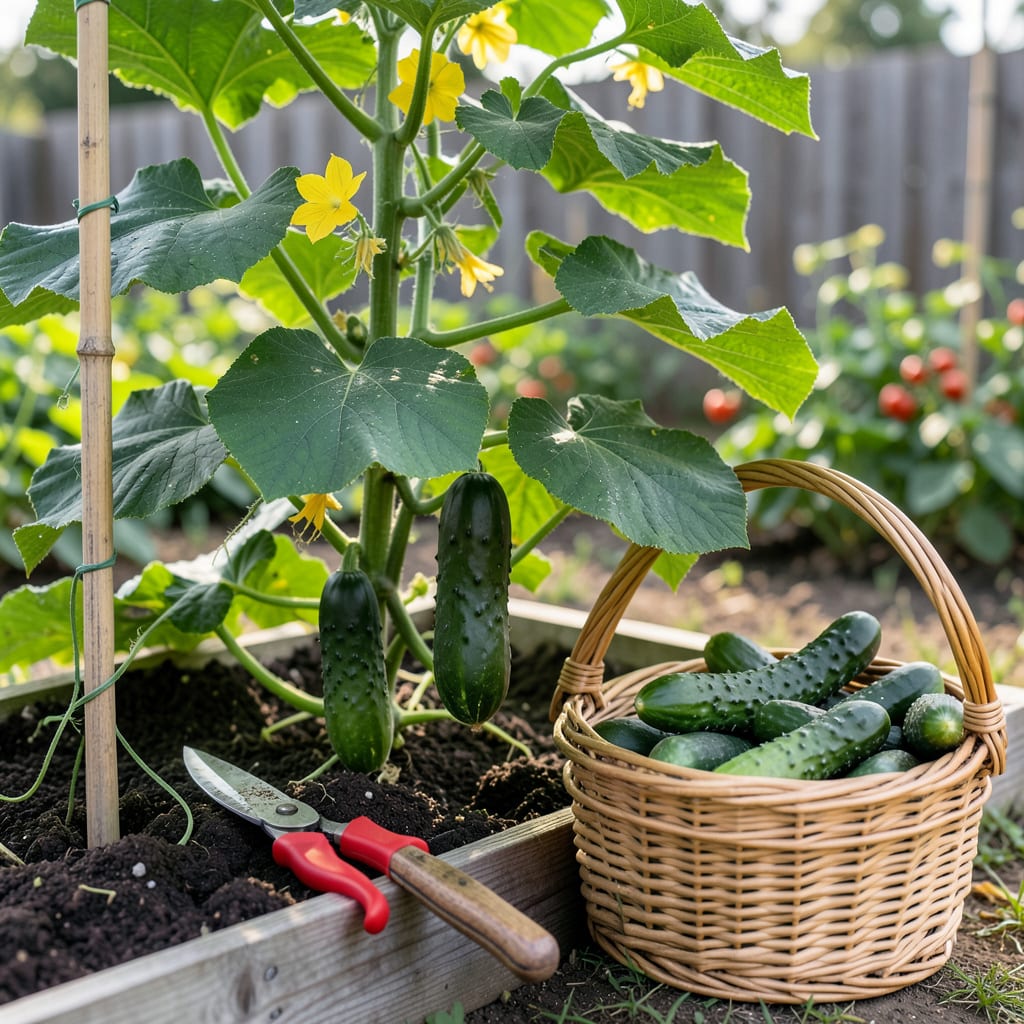
That moment when you pull a jar of homemade pickles from the pantry—only to find them disappointingly soft instead of crisp—is heartbreaking. I’ve been there, and the hard truth is: perfect pickles start long before the brine. The real magic happens in your garden when you harvest those 🥒 cucumbers at just the right stage.
Timing isn’t just about size—it’s about texture, flavor, and avoiding the pitfalls that turn pickles mushy or bitter. Whether you’re growing classic ‘Boston Pickling’ or another variety, I’ll show you the exact signs to watch for and why that early morning harvest window makes all the difference. Let’s get this right from the vine.


If you’ve ever bitten into a homemade pickle only to be met with a disappointing squish instead of that satisfying crunch, you know timing is everything. The secret lies in those first 48 hours after picking—when cucumbers are at their peak firmness and ready to soak up brine like a sponge.
But how do you know when they’re truly ready? Forget guessing games—your cucumbers will tell you through five unmistakable signs. From the nail test to the color shift, I’ll walk you through what to look for so you never end up with hollow, bitter pickles again. 🥒
Here’s where variety makes a difference: ‘Boston Pickling’ cucumbers are ready at 3-5 inches, while ‘National Pickling’ can go up to 6 inches without losing crispness. I always keep a ruler in my garden apron—it’s the easiest way to avoid overgrown disappointments.
The nail test is my favorite trick. Run your thumbnail gently over the skin—if it leaves a shallow mark but doesn’t break through, you’ve hit the crispness jackpot. This indicates the cell walls are still tight, which means they’ll stay firm during brining.
Watch the color transition closely. Cucumbers start pale green and darken as they mature. For pickling, you want that deep emerald hue—but if you see even a hint of yellow, they’re past their prime. That yellowing means the seeds are developing, which leads to soft centers in your pickles.
Don’t overlook the stem end. A fresh cucumber will have a stem that’s slightly woody and dry. If it’s soft or moist, the cucumber is either overwatered or overripe. I check this first because it’s the quickest way to sort through a harvest basket.
Remember that morning harvests give you the crispiest results. The cucumbers are plump with overnight moisture, and cooler temps mean less stress on the plants. I’ll dive deeper into timing in the next section, but trust me—your pickles will thank you for that 6 AM picking habit. ☀️
If you’re growing heirloom varieties, pay extra attention to their unique signs. Some, like ‘Calypso’, develop tiny white spines that disappear when they’re ready. Others, like ‘Little Leaf’, have smaller leaves that make the cucumbers easier to spot when they’re hiding under foliage.
One final pro tip: harvest every other day during peak season. Cucumbers can grow surprisingly fast—what’s perfect today might be overripe tomorrow. I set phone reminders during harvest season to stay on top of my vines. Your diligence now means crunchy pickles later! ✂️
You’ve checked all the signs—your cucumbers are the perfect size and color—but did you know the time of day you harvest can make or break your pickles? That satisfying crunch isn’t just about maturity; it’s about water content and plant stress levels when you pluck them from the vine.
I’ve learned through many batches that early morning is the golden window. Between 6 AM and 9 AM, cucumbers are at their peak hydration after cooling overnight. This means firmer flesh that holds up better during brining. Wait until midday, and you risk cucumbers that have lost moisture to the sun’s heat. ☀️
For maximum crispness, harvest when:
Avoid harvesting after rain—excess water dilutes flavor!
Here’s the science behind it: cucumbers are 95% water, and that moisture content drops as the day progresses. I tested this myself by picking cucumbers at different times—those harvested at 7 AM stayed crisp for days, while noon picks softened within hours. The difference was shocking!
After picking, immediate chilling is crucial. I keep a cooler with ice packs in my garden shed during harvest season. Transferring cucumbers straight from vine to 35-40°F temps preserves their firmness until you’re ready to brine. Even 30 minutes at room temperature can start the softening process.
What about evening harvests? While better than midday, they’re still second-best. By sunset, cucumbers have endured a full day of transpiration (water loss through leaves). I only resort to evening picking if morning isn’t possible, and I
Remember that plant stress affects texture too. On days above 85°F, I harvest even earlier—sometimes starting at sunrise. Heat-stressed cucumbers develop bitter compounds and lose firmness faster. Your plants will thank you for the early relief, and your pickles will reward you with that perfect snap. 🌡️
We’ve all been there—life gets busy, and suddenly those perfect pickling cucumbers you were watching turn into overgrown monsters overnight. What started as a promising 4-inch Kirby is now a seedy, bloated beast that looks better suited for a submarine sandwich than your pickle jar.
The harsh truth? Overripe cucumbers make disappointing pickles. Their skins turn tough, seeds develop into watery pockets, and that crisp snap you crave becomes a sad, mushy bend. But before you toss them in the compost, let me show you which problems have fixes—and which mean it’s time to start over. 🥒
*For Boston Pickling over 6″ or National Pickling over 7″
When cucumbers pass the 6-inch mark, their cell structure changes dramatically. The once-tight flesh develops air pockets around growing seeds, creating that dreaded hollow center in your finished pickles. I learned this the hard way with a batch of ‘Calypso’ cucumbers that looked fine but turned to mush in the jar.
The bitter compound cucurbitacin also concentrates as cucumbers overmature. You’ll taste it first in the skin and seeds. If you catch it early, peeling can help, but severely overripe cucumbers will make your entire brine taste harsh. I now do a taste test on a small piece before committing to a big batch.
Here’s my emergency protocol for slightly overripe cucumbers: First, trim off both ends—this is where bitterness concentrates. Then slice lengthwise and scoop out seeds with a spoon. For refrigerator pickles, this works surprisingly well, though you’ll never get that perfect crunch. For canning, it’s better to start fresh. ✂️
Remember that variety matters in forgiveness. ‘Boston Pickling’ cucumbers turn bitter faster than ‘National Pickling’ when overripe. I’ve had better luck salvaging ‘Little Leaf’ cucumbers because their thinner skins mean less toughness to begin with. Keep notes on which varieties give you more wiggle room next season.
Check your vines every 24-48 hours during peak season. Cucumbers grow incredibly fast—what’s perfect today might be overripe tomorrow. I set phone reminders to inspect my plants first thing in the morning when cucumbers are at their crispiest.
You can, but they require extra prep. Peel thick skins and scoop out large seeds to improve texture. These work best for refrigerator pickles or relish rather than canning. For Boston Pickling over 6 inches, consider using them for quick pickles instead.
Soft pickles often result from post-harvest handling. Always chill cucumbers immediately after picking and process within 12 hours. Avoid washing until ready to use—excess moisture speeds up softening. The ice water soak before brining helps maintain crispness too.
Morning-harvested cucumbers have higher water content from overnight hydration, making them ideal for pickling. Evening picks lose moisture during the day’s heat. I’ve tested both—morning cucumbers stay crisp 3x longer in brine.
Keep them unwashed in the crisper drawer at 40°F for up to 48 hours. Place in a perforated bag with a damp paper towel to maintain humidity. Never store with ethylene-producing fruits like tomatoes—they’ll speed up softening.
