
Beautiful Plants For Your Interior
Beautiful Plants For Your Interior
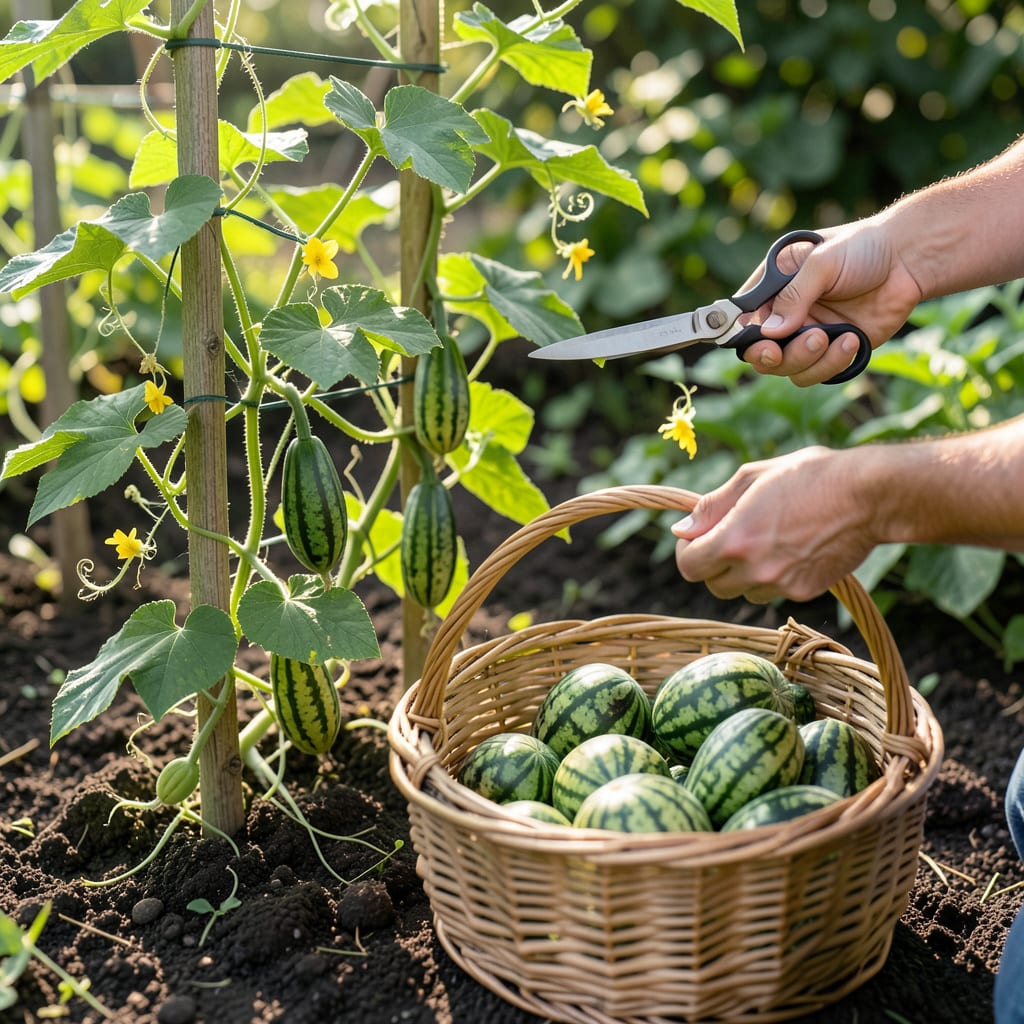
I remember the first time I grew Cucamelon – those tiny 🥒 fruits had me guessing when they were ready. Timing is everything with these little powerhouses.
Harvest too soon and they lack flavor, wait too long and they turn bitter. I’ll show you the exact signs to look for so you get them at their peak every time.


I’ve learned that cucamelons are ready when they’re about 1-1.5 inches long—roughly the size of a grape. This is the sweet spot for flavor and texture, and missing it can mean a bitter or bland harvest.
Another key sign is the color change. They start bright green, then develop a pale yellowish tint with darker stripes as they ripen. The skin should feel firm, not soft or squishy, when gently squeezed.
| Sign | Ready When |
|---|---|
| Size | 1-1.5 inches long |
| Color | Pale yellowish-green with stripes |
| Texture | Firm to the touch |
| Stem | Dries slightly |
If you wait too long, the seeds inside become large and bitter. I check my vines daily during peak season because cucamelons can go from perfect to overripe in just a day or two.
The stem condition also gives clues. When the tiny stem connecting the fruit to the vine starts to dry and turn brown, it’s usually a sign the cucamelon is ready to pick.
Underripe cucamelons are still fully green and may feel too firm. They’ll lack the tangy flavor that makes these little fruits so special. Don’t rush them—patience pays off.
On the flip side, overripe ones may turn soft or wrinkled. If you see the skin shriveling or the fruit separating from the vine easily, you’ve likely missed the window.
I’ve found that morning harvesting works best. The fruits are crisp and hydrated after a cool night, making them easier to pick and store.
Use a gentle twisting motion to remove them from the vine. Pulling too hard can damage the plant or leave the stem attached, which might cause the fruit to spoil faster.
With these signs in mind, you’ll consistently pick cucamelons at their peak. It’s all about observing the subtle changes and acting quickly when the time is right.
🌱I make it a habit to inspect my cucamelon vines daily during peak season. These little fruits grow quickly, and missing a day can mean some pass their prime. The window for perfect ripeness is surprisingly narrow.
Early morning is the best time to check and harvest. The fruits are at their crispiest after a cool night, and the vines are less stressed from heat. This timing also helps prevent moisture loss in the picked fruits.
When I find a ripe cucamelon, I use a gentle twisting motion to detach it. Pulling can damage the vine or leave part of the stem attached, which might lead to faster spoilage.
For prolific producers, I recommend harvesting every other day at minimum. These plants can produce dozens of fruits in a short time, and regular picking encourages more production.
If you notice the vines are loaded with nearly-ripe fruits, you might need to check twice daily. I once had a plant where fruits went from perfect to overripe in less than 24 hours during a heatwave.
After harvesting, I always give the vines a quick inspection for pests or disease. Regular checks help catch problems early while ensuring you don’t miss any hidden fruits.
🌱I make it a habit to check my cucamelon vines daily during peak season. These little fruits can ripen surprisingly fast, sometimes going from underripe to perfect in just 24-48 hours.
The best time to pick is in the morning when the fruits are most hydrated. I’ve found they’re crispest and easiest to handle after a cool night, making the harvest process smoother.
When I spot a ready cucamelon, I use a gentle twisting motion to detach it. If it doesn’t come off easily, I leave it for another day. Forcing it can damage the vine or the fruit itself.
For stubborn fruits, I keep a pair of clean pruning shears handy. A quick snip at the stem base does the trick without harming the plant or the neighboring fruits.
I’ve noticed that prolific producers can overwhelm you with fruit. If you can’t harvest daily, prioritize the most mature ones first to prevent overripening and keep the vines productive.
🌱They’ll be smaller than 1 inch and still fully green with no yellow tint. They’ll also feel too firm when squeezed and lack their signature tangy flavor.
The seeds become large and bitter, and the skin turns soft or wrinkled. Overripe fruits may separate from the vine easily, making them less enjoyable to eat.
Inspect vines daily during peak season (July-September). They ripen quickly, sometimes in just 24-48 hours. Morning checks work best for crispness.
Use a gentle twisting motion to detach the fruit. If it resists, leave it for another day or use clean pruning shears to snip the stem.
