
Beautiful Plants For Your Interior
Beautiful Plants For Your Interior
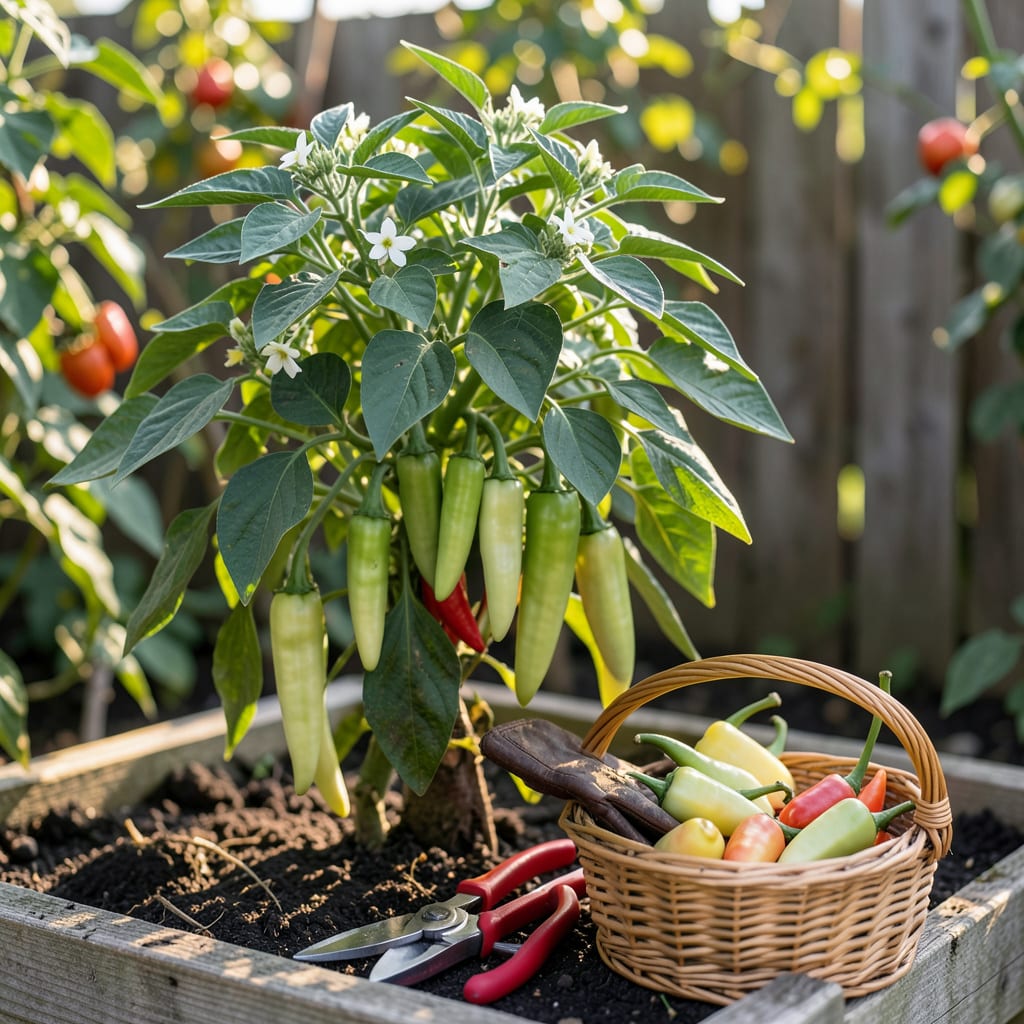
There’s nothing quite like the satisfaction of plucking a perfectly ripe 🌶️ Cubanelle Pepper from your garden—only to realize it’s either underwhelmingly bitter or disappointingly mushy. Timing is everything when it comes to these sweet, versatile peppers.
I’ve learned the hard way that waiting for that just-right moment makes all the difference in flavor and texture. Let me share the simple visual cues and seasonal secrets that’ll help you harvest Cubanelle Peppers at their absolute peak—every single time.


Timing your Cubanelle pepper harvest is all about visual and tactile cues. These peppers transition from light green to vibrant yellow as they ripen, but color alone isn’t the only indicator. I’ve found that size and texture are just as important for that perfect sweet, crisp bite.
Most Cubanelle peppers reach their prime at 4-6 inches long, with a glossy, firm skin. If the pepper feels soft or the skin looks dull, it’s either not ready or past its peak. Remember, these peppers are typically harvested in their mature green to yellow stage—they rarely turn red like some other varieties.
| Ripeness Stage | Visual Sign | Texture | Harvest? |
|---|---|---|---|
| Too Early | Small (under 4 inches), dull green | Firm but thin walls | ❌ Wait longer |
| Perfect Time | 4-6 inches long, glossy yellow | Crisp, thick walls | ✅ Pick now! |
| Overripe | Orange tinges, wrinkled skin | Soft, seeds may rattle | ⚠️ Use quickly |
One trick I swear by is the “snap test”. Gently bend the pepper—if it snaps cleanly from the stem with minimal effort, it’s ready. If it bends without breaking, give it 2-3 more days of sunshine. Cubanelles typically reach this stage 60-70 days after transplanting, though cooler climates may extend this by a week or two.
Watch the shoulders of the pepper too—the area near the stem. When ready, this part will feel slightly yielding when pressed, not rock-hard. The stem itself should still be green and flexible, not dry or brittle. These subtle details make the difference between a good harvest and a great one.
Climate plays a role in your timing. In hotter zones (8-10), Cubanelles may mature faster—sometimes in as little as 55 days. Cooler regions (zones 5-6) often need the full 70-90 days. I keep a garden journal to track these patterns year to year—it’s the best way to fine-tune your harvest window.
If you’re growing multiple plants, you’ll notice some peppers mature faster than others. This is normal! The first peppers of the season often take longer, while subsequent fruits may ripen more quickly. I prioritize picking the largest, most colorful peppers first to encourage the plant to produce more.
For those in container gardens, your Cubanelles might mature slightly faster due to the warmer root zone. Just be extra vigilant about watering consistency—fluctuations can cause uneven ripening. A good rule of thumb is to harvest when about 70% of the pepper has turned yellow, as the remaining green will often color up after picking.
Remember that Cubanelles are mildest and sweetest when harvested at that perfect yellow-green stage. Let them turn fully yellow for maximum sweetness, but don’t wait until they start developing orange streaks—that’s your sign they’re beginning to lose their ideal texture. With these signs in mind, you’ll be enjoying perfectly timed Cubanelle peppers all season long. 🌱
Picking Cubanelle peppers at different stages dramatically changes their flavor profile and best uses. I’ve found that young green peppers offer a milder, slightly grassy taste perfect for quick cooking, while fully ripe yellow ones deliver maximum sweetness ideal for raw applications.
The secret lies in their cell wall development. Younger peppers have thicker walls that hold up beautifully when fried or sautéed, while mature ones develop thinner walls that practically melt when stuffed or roasted. This transformation happens over just 7-10 days of ripening on the plant.
| Ripeness Stage | Flavor Profile | Best Uses | Storage Life |
|---|---|---|---|
| Young Green (4″ long) | Mild, slightly bitter, crisp | Frying, pickling, stir-fries | 10-14 days refrigerated |
| Mature Yellow (4-6″) | Sweet, fruity, tender | Stuffing, raw salads, grilling | 7-10 days refrigerated |
| Overripe (orange tinges) | Very sweet, soft texture | Sauces, purees, roasting | 3-5 days (use immediately) |
For optimal storage, I recommend harvesting in the morning when peppers are most hydrated. Young green peppers can be stored in the crisper drawer for up to two weeks, while fully ripe yellow ones are best used within a week. The sugar content increases by 30-40% as they ripen, making them sweeter but more perishable.
Here’s a pro tip: If you need to store peppers longer, pick them at the yellow-green stage and place them in a paper bag at room temperature. They’ll continue ripening slowly while maintaining better texture than refrigerator-stored peppers. This method gives you about 3 extra days of prime quality.
The harvesting technique also impacts flavor. Always use clean pruning shears to cut peppers with a short stem attached—this prevents moisture loss through the cut end. Twisting peppers off by hand can damage the plant and lead to premature spoilage of your harvest.
For continuous production, I harvest peppers every 3-4 days during peak season. This regular picking signals the plant to produce more flowers, extending your harvest window by 2-3 weeks. The first flush usually yields the largest peppers, while later harvests may produce smaller but often sweeter fruits.
Remember that Cubanelles are at their absolute best when used within 48 hours of picking. Their thin skins make them more susceptible to moisture loss than bell peppers. If you’ve got more than you can use fresh, consider freezing sliced peppers on a tray before bagging—they’ll keep their texture better for cooked dishes. 🌱
Even experienced gardeners sometimes sabotage their Cubanelle pepper harvests without realizing it. The most common blunder I see is picking too early—those small green peppers might look tempting, but they’ll deliver bitter, underdeveloped flavor that’s a far cry from their sweet potential.
Another harvest killer is leaving peppers too long on the plant. Once they develop orange streaks or wrinkled skin, you’ve missed the sweet spot. These overripe peppers become mushy and pithy, losing that signature crisp texture Cubanelles are known for. The ideal window is surprisingly narrow—just 3-5 days between perfect ripeness and overripeness.
Small green peppers (<4 inches) taste bitter and lack sweetness. Wait until they're 4-6 inches long with glossy skin. The “snap test” helps—if it doesn’t break cleanly, it’s not ready.
Orange streaks or wrinkles mean overripeness. These peppers lose crispness and develop a mealy texture. Harvest when 70-80% yellow—they’ll continue ripening slightly off the plant without sacrificing quality.
Twisting peppers off damages plants and stems. Always use clean pruning shears, cutting 1/4 inch above the pepper. This prevents stem breakage and reduces disease risk while encouraging more production.
The third critical mistake is using improper harvesting techniques. I’ve seen gardeners twist peppers off by hand, which damages both the fruit and plant. Always use clean pruning shears and make a clean cut, leaving a short stem attached. This small step prevents moisture loss and keeps your plant productive for weeks longer.
Here’s a quick fix for each issue: If you’ve picked early, let peppers ripen in a paper bag at room temperature for 2-3 days. For overripe peppers, use them immediately in cooked dishes where texture matters less. And if you’ve damaged stems, apply a light fungicide to prevent infection in the wounded areas.
Timing your harvest around morning hours (before 10 AM) gives you the crispiest peppers, as they’re most hydrated after cool nights. I also recommend harvesting every 3-4 days during peak season—this regular picking stimulates more flower production, potentially doubling your total yield compared to sporadic harvesting.
Remember that Cubanelle peppers are most productive when harvested at the right stage. Each properly timed pick encourages the plant to redirect energy into new fruit production. With these simple adjustments, you’ll avoid the most common pitfalls and enjoy a bountiful harvest of perfectly ripe, sweet Cubanelles all season. 🌿
Cubanelle peppers are perfect when they reach 4-6 inches long. At this size, they’ve developed their signature sweetness and crisp texture. Smaller peppers will taste bitter, while oversized ones may become pithy.
Watch for the transition from light green to bright yellow. The pepper should have a glossy sheen when ready. Orange streaks mean it’s overripe, while dull green signals it needs more time.
Yes, but they’ll be less sweet. Green Cubanelles are great for frying or stir-fries where you want extra crunch. For maximum sweetness, wait until they’re mostly yellow. The flavor difference is noticeable!
During peak season, check every 2-3 days. Cubanelles can go from perfect to overripe quickly. Morning is best for harvesting when peppers are most hydrated and crisp.
Always use clean pruning shears and cut 1/4 inch above the pepper. Never twist them off by hand—this damages stems and reduces future production.
