
Beautiful Plants For Your Interior
Beautiful Plants For Your Interior
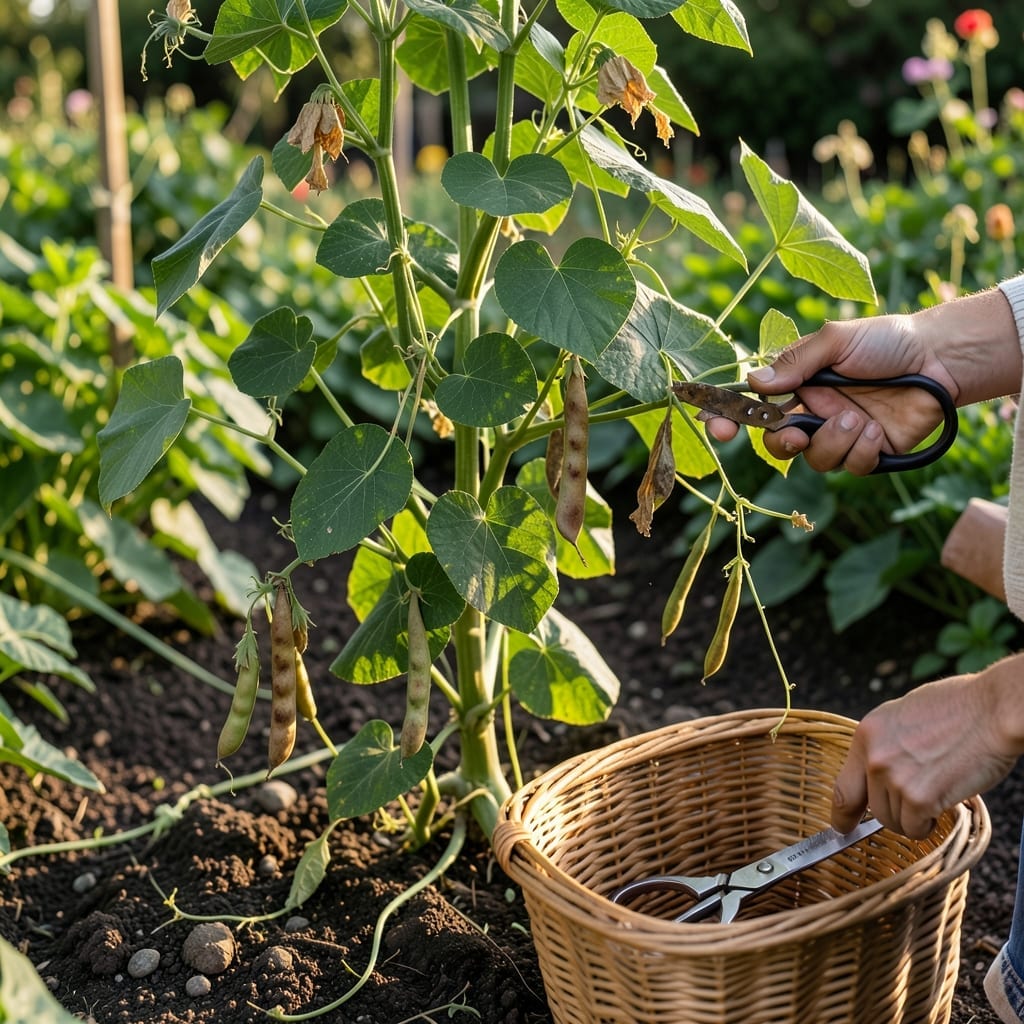
Knowing exactly when to pick Crowder Peas 🌱 can mean the difference between a lackluster harvest and a bountiful, flavorful yield. These Southern favorites thrive when harvested at peak maturity, but timing is everything.
I’ve learned through experience that watching for pod color changes and dryness signals makes all the difference. The right moment ensures the best taste and texture for your table.
Whether you’re a seasoned gardener or just starting out, understanding these cues will help you maximize your harvest. The signs are subtle but unmistakable once you know what to look for.
Discover how to identify the perfect harvest window for Crowder Peas 🌱 and enjoy the fruits of your labor at their absolute best.


Timing your crowder pea harvest perfectly ensures the best flavor and texture. I always watch for pod color changes first, as they shift from bright green to a deeper, duller hue as they mature.
Another clear indicator is pod dryness. When the shells start feeling paper-like and you hear the seeds rattling inside, that’s your signal they’re ready for picking.
| Signal | Description |
|---|---|
| Pod Color | Turns dark green or yellowish |
| Pod Texture | Feels dry and papery |
| Seed Sound | Seeds rattle inside when shaken |
| Pod Length | 3-6 inches long and plump |
The seed development stage is crucial. When I split open a pod, I look for fully formed seeds that are firm but not rock-hard. This means they’ve reached peak maturity.
I also check the plant behavior. As crowder peas approach harvest time, the vines begin yellowing and the leaves may start dropping. This is nature’s way of telling you it’s time.
For fresh eating, pick when pods are still slightly green but seeds are well-developed. For drying, wait until pods are completely brown and brittle.
Remember, morning harvesting is ideal. The pods are less likely to shatter, and the seeds retain more moisture at this time of day.
If you’re unsure, do a test harvest of a few pods. Open them up to check seed size and texture. This simple step can prevent an entire crop from being picked too early or too late.
In my experience, crowder peas typically reach maturity in 75-90 days after planting. But always rely on these visual cues rather than just the calendar.
Finally, don’t forget that weather conditions can affect harvest time. Hot, dry weather may speed up maturity, while cool, wet conditions can delay it by a week or two.
By mastering these harvest signals, you’ll consistently gather crowder peas at their absolute peak, ensuring the best quality for your garden’s bounty. ✂️
Testing crowder pea maturity is simpler than you might think. I rely on the squeeze test first—gently press a pod between your fingers. If it feels plump and firm, it’s likely ready. This tactile check reveals seed development inside.
Next, I inspect the pod color and texture. Mature crowder peas often shift from bright to duller green or develop subtle dryness. The seeds should be visible as bumps through the shell, indicating they’ve filled out properly.
For dry crowder peas, I wait until the pods turn brown and the seeds inside are hard. This stage is perfect for storage. Fresh harvests, however, need pods that are still green but fully filled.
A common mistake is picking too early. If seeds are underdeveloped or pods feel flat, give them more time. Patience ensures the best flavor and texture for your harvest.
I also compare pods across the plant. If most show maturity signs, it’s time to harvest. Inconsistent pods may need a few more days to catch up.
Remember, weather affects timing. Hot, dry spells can accelerate maturity, while cool, wet conditions may delay it. Always check multiple pods to confirm readiness.
🌱