
Beautiful Plants For Your Interior
Beautiful Plants For Your Interior
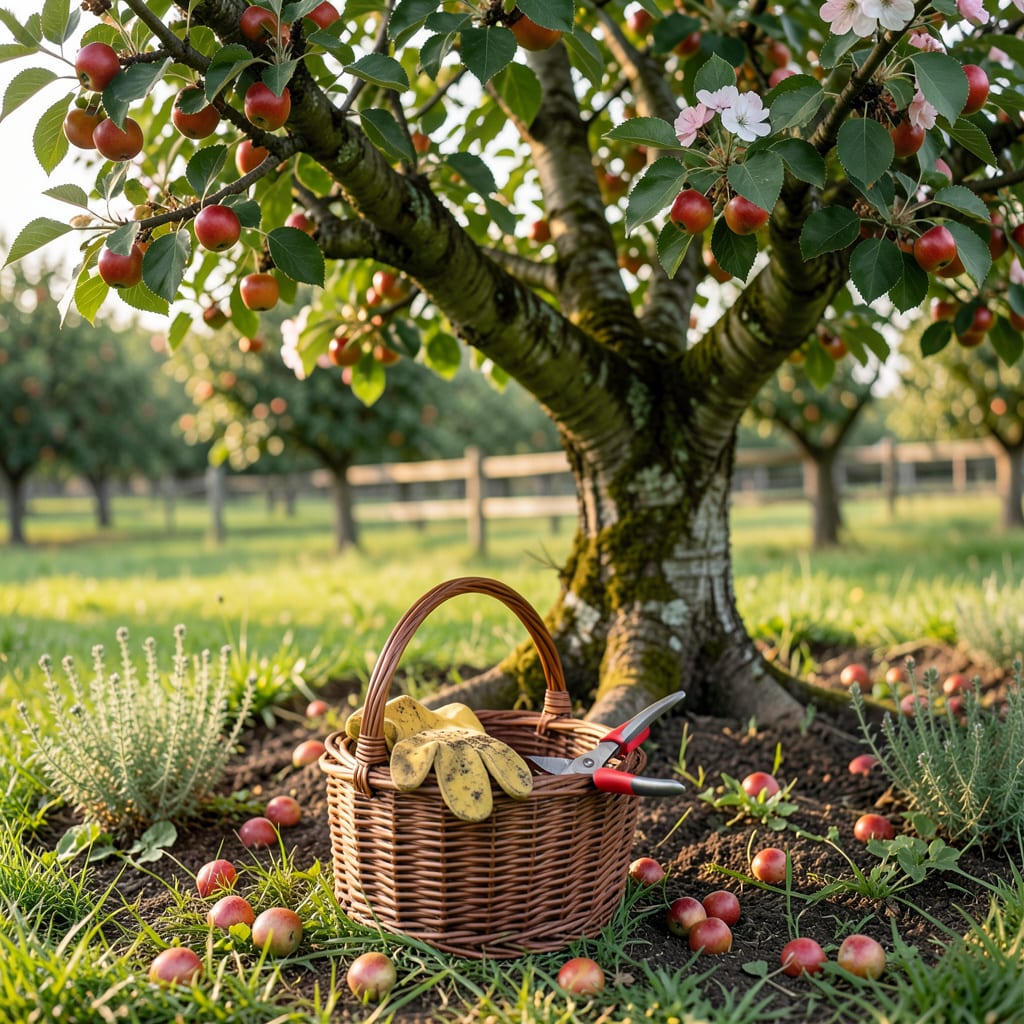
There’s a perfect moment to harvest crab apples—miss it, and you might end up with fruit that’s either mouth-puckeringly tart or disappointingly soft. I’ve learned the hard way that timing isn’t just about the calendar; it’s about reading the subtle signs your tree gives you.
Whether you’re planning to whip up a batch of spiced jelly, attract wildlife to your garden, or simply enjoy their ornamental charm, knowing exactly when to act makes all the difference. Let’s break down the clues hiding in plain sight on those branches—so you never second-guess your harvest again.


Timing your crab apple harvest isn’t just about ripeness—it’s about matching your plans for the fruit. Early picks deliver that puckery tartness perfect for jellies, while later harvests yield sweeter flavors ideal for cider or fresh eating. I’ve found the secret is in the timing.
If you’re aiming for long-term storage, mid-season harvests strike the best balance. The fruit holds its texture better and resists spoilage longer. For wildlife lovers, leaving some late-season fruit on the tree provides a winter food source for birds and small mammals.
Pro Tip: Freeze excess crab apples whole for later use—they’ll soften when thawed, perfect for sauces!
For ornamental displays, harvest when fruits are at peak color but still firm. Arrange them in bowls with pinecones or string them into garlands for autumn decor. I love using the ‘Centennial’ variety—its deep red hue lasts weeks indoors without wilting.
Crab apples destined for fermentation (like cider or wine) benefit from a mix of ripeness stages. Combine early tart fruit with later sweeter picks to balance acidity and sugar. A 70/30 ratio of tart-to-sweet works wonders in my experience.
Don’t overlook the leaves and stems! When processing fruit, save the trimmings for herbal teas or compost. The leaves contain compounds that deter pests in garden beds. Every part of the crab apple tree has a purpose if you know how to use it.
If you’re unsure about timing, conduct a taste test with a few fruits from different branches. Ripeness can vary even on the same tree. When in doubt, err on the earlier side—you can always ripen them indoors in a paper bag.
Remember, the best use depends on your goals. Whether you’re a preserver, a baker, or a nature enthusiast, there’s a perfect harvest window for you. Now grab those pruners and put your crab apples to work! ✂️
Not all crab apples ripen on the same schedule—variety matters just as much as weather. I’ve grown everything from ‘Dolgo’ (a tart favorite for preserves) to ‘Centennial’ (sweeter, ornamental stunner), and each has its own rhythm. Knowing your tree’s type helps you plan the harvest like a pro.
Regional climates shift these windows, too. In cooler zones (like USDA 4-5), expect a 2-3 week delay compared to warmer areas (zones 7-8). A ‘Hopa’ crab apple in Minnesota might peak in late September, while the same tree in Virginia could be ready by early August. Always watch the fruit, not just the calendar.
| Variety | Harvest Window | Flavor Profile | Best For |
|---|---|---|---|
| Dolgo | Mid-August to early Sept | Very tart, high pectin | Jelly, vinegar, preserves |
| Centennial | Late August to mid-Sept | Tart-sweet balance | Cider, fresh eating, decor |
| Hopa | Early to mid-Sept | Mildly tart, aromatic | Wildlife, baking, fermenting |
| Prairifire | Mid-Sept to early Oct | Sweet-tart, deep red | Ornamental, fresh snacks |
💡 Pro Tip: ‘Dolgo’ holds its tartness longest—great for batch processing over several weeks.
If you’re unsure which variety you have, examine the fruit size and color. ‘Centennial’ apples are typically 1.5 inches and deep red, while ‘Hopa’ runs smaller (1 inch) with a yellow blush. When in doubt, snap a photo and compare it to university extension guides—most states have detailed crab apple databases.
For urban gardeners, dwarf varieties like ‘Sargent’ (harvest in early September) fit perfectly in small spaces. Their compact size doesn’t sacrifice flavor—just adjust your picking schedule 7-10 days earlier than standard trees. I’ve successfully grown them in large containers on my patio!
No matter the variety, always do the “twist test”: Gently rotate a fruit upward. If it releases with minimal effort, it’s ready. If you’re met with resistance, wait 3-5 days and test again. Patience pays off with crab apples—rushing leads to disappointment, but perfect timing? That’s pure gardening magic. ✅
Look for bright red color and a slight softness when pressed. The fruit should detach easily with a gentle upward twist. If they’re still green or hard, they need more time.
Early-picked crab apples will be extremely tart and lack natural sweetness. They’re still usable for jellies (thanks to high pectin), but fresh eating or cider will taste unbalanced. Patience pays off!
Yes, but act quickly! Frost can soften the fruit, making them mushy. If a light frost hits, harvest within 24-48 hours for best quality. Heavy frost may ruin the crop.
No—varieties like ‘Dolgo’ ripen in mid-August, while ‘Prairifire’ may not be ready until October. Always check your specific tree type for accurate timing.
For short-term use, refrigerate in a ventilated container for up to 2 weeks. For long-term storage, freeze whole in bags or cook into preserves immediately. Avoid washing until ready to use.
