
Beautiful Plants For Your Interior
Beautiful Plants For Your Interior
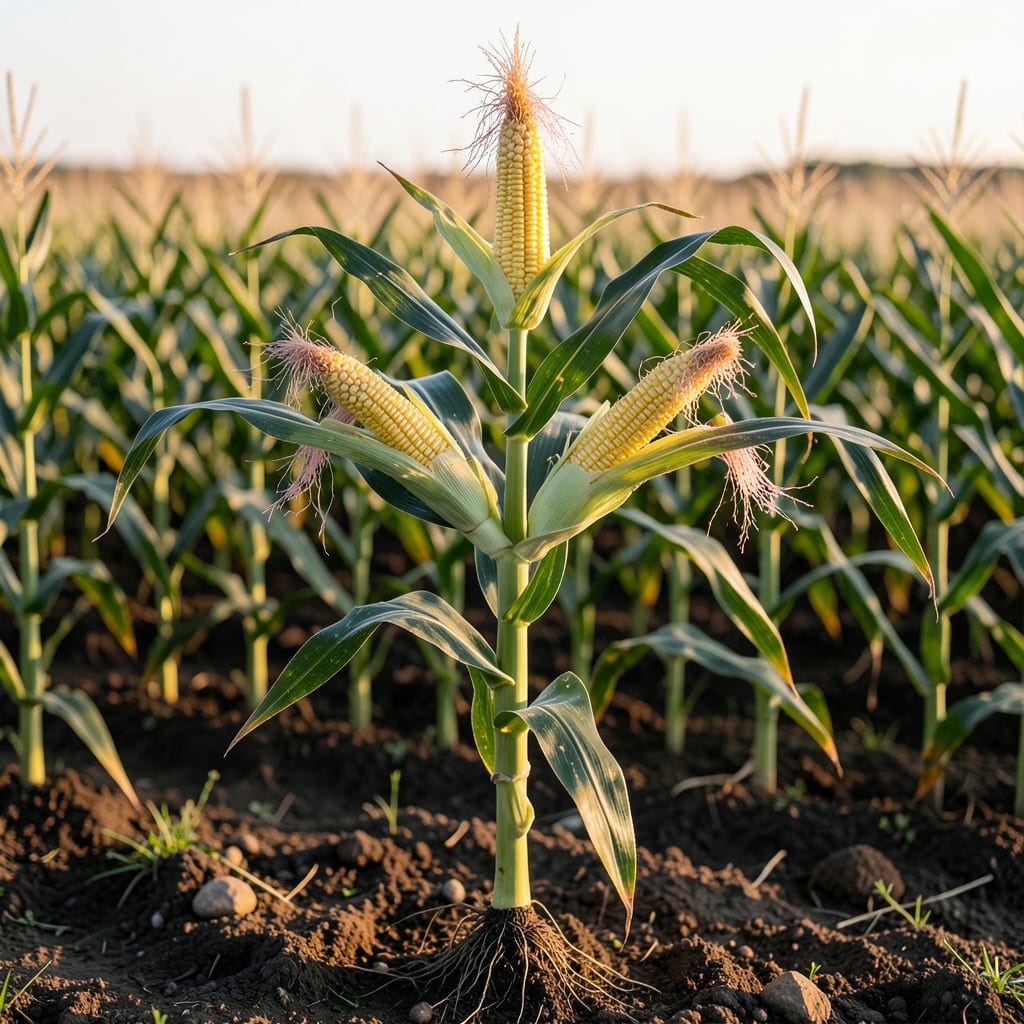
There’s nothing quite like biting into a perfectly ripe ear of 🌽 Corn—sweet, juicy, and bursting with flavor. But timing is everything. Pick it too early, and you’ll get underdeveloped kernels; wait too long, and that coveted sweetness turns starchy in a flash.
I’ve learned the hard way that knowing exactly when to harvest makes all the difference. Let me walk you through the foolproof signs to look for and the best time of day to pluck those ears. Your summer meals will never be the same.


Timing is everything when it comes to harvesting sweet corn. I’ve learned the hard way that picking too early leaves you with underdeveloped kernels, while waiting too long turns that perfect sweetness into starchy disappointment. The good news? Your corn plants will give you clear visual clues when they’re ready.
The first thing I check is the silk color. When those wispy strands turn from pale yellow to a deep, dried brown, it’s a strong indicator that the ears are maturing. But don’t rely on silk alone—you’ll want to confirm with a few more tests to be sure. The kernel texture and ear firmness are equally important.
The “milk test” is my go-to for confirming ripeness. Simply pierce a kernel with your fingernail—if a milky-white liquid oozes out, your corn is at peak sweetness. Clear liquid means it’s not ready, while a thick, doughy substance signals you’ve waited too long. I always test multiple ears since they can mature at slightly different rates.
Don’t forget to consider the ear’s position on the stalk. The top ears usually mature first, followed by the middle and lower ones. If you’re growing multiple varieties, keep track of their days-to-maturity—early-season corn may be ready in 60 days, while late-season types can take up to 90 days.
Weather plays a bigger role than you might think. A heat wave can speed up maturation by a few days, while cool, rainy spells might delay it. I’ve found that humidity levels also affect silk drying—high humidity can keep silks moist longer, even when kernels are ready. Always double-check with the milk test if you’re unsure.
One mistake I see beginners make is pulling back the husk too early, which exposes the ear to pests and sunburn. Instead, gently feel the ear through the husk—it should feel firm and rounded, not skinny or lumpy. If you’re still uncertain, peel back just a small section of the husk to inspect a few kernels.
For super-sweet varieties, timing is even more critical. These hybrids hold their sugar longer but can turn starchy faster once fully mature. I mark my calendar for 20 days after silking and start checking daily. If you’re growing bi-color corn, look for both white and yellow kernels to be uniformly plump and vibrant.
If you’ve missed the ideal window, don’t panic. Slightly overripe corn can still be used for grilling or soups, though the texture will be denser. Underripe corn, however, is best left on the stalk for another day or two. Trust me—your patience will be rewarded with that perfect crunchy-sweet bite we all crave.
Finally, remember that corn converts sugars to starch quickly after picking, so harvest right before you plan to use it. I like to bring a pot of boiling water to the garden—nothing beats corn cooked within 30 minutes of picking! If you must store it, refrigerate ears in their husks to slow sugar loss.
By mastering these signs and tests, you’ll never again wonder when to pick corn. Your summer feasts will thank you—one perfectly sweet, juicy ear at a time! 🌽
If you’ve ever wondered why your homegrown corn sometimes lacks that burst of sweetness, timing might be the culprit. The best time to harvest isn’t just about the plant’s maturity—it’s also about the time of day you pick those ears. I’ve found that early morning is ideal.
Corn converts its natural sugars into starches as the day warms up. By picking in the cool morning hours, you lock in that peak sweetness before the sun triggers the conversion process. This is especially critical for super-sweet varieties like ‘Honey & Pearl’ or ‘Kandy Korn’.
I always carry a sharp knife to the garden just in case. While twisting works for most ears, some stubborn ones need a clean cut at the base. Make your incision about 1 inch below the ear to avoid damaging the stalk. This also leaves room for secondary ears to develop on prolific varieties.
The temperature difference between night and day plays a huge role in flavor. During heat waves, I’ve noticed corn can lose up to 50% of its sweetness if left on the stalk past 10 AM. That’s why I set my alarm for sunrise harvests during summer peaks.
Don’t forget about post-harvest handling. Leaving corn in the sun after picking—even for 30 minutes—can degrade quality. I immediately move ears to a shaded bucket with a damp towel to maintain moisture. For long-term storage, blanch and freeze within 4 hours for best results.
Pro tip: If you’re growing multiple varieties, harvest the earliest maturing types first. This prevents cross-pollination issues in next year’s crop and ensures you’re always picking at optimal ripeness. I keep a garden journal to track which varieties hold their sweetness longest in my climate.
Remember, the golden rule of corn harvesting: when in doubt, pick early and check. You can always let an underripe ear stay on the stalk another day, but you can’t reverse over-maturity. That’s why I do my first daily check at dawn with a flashlight if needed!
Not all corn is created equal when it comes to harvest timing. I’ve grown everything from early-season sweet corn to late-maturing bi-color varieties, and each has its own perfect window. The key is knowing your variety’s days to maturity—typically listed on seed packets.
For example, ‘Early Sunglow’ can be ready in just 60 days, while ‘Ambrosia’ might need 80+ days. Hybrid varieties like ‘Peaches & Cream’ often have a wider harvest window, giving you more flexibility. Always mark your planting date to track progress accurately.
| Variety | Days to Maturity | Best For |
|---|---|---|
| Early Sunglow | 60-65 days | Quick harvests, cool climates |
| Peaches & Cream | 75-80 days | Sweet flavor, home gardens |
| Ambrosia | 80-85 days | Extended sweetness, hot summers |
To extend your harvest, I recommend staggering plantings every 2 weeks. This way, you’ll have fresh corn for months instead of all at once. Pay attention to your USDA zone too—cooler zones may need faster-maturing varieties to avoid early frosts.
If you’re growing super-sweet varieties, note they often hold their sweetness longer on the stalk but may require isolation from other corn to prevent cross-pollination. I once lost a crop by planting different types too close—lesson learned!
For bi-color or specialty corn, watch for the kernel color deepening at the tip of the ear first. This is your signal that the rest of the ear is maturing evenly. And remember, heat waves can speed up maturity, so check ears daily in summer peaks.
Finally, keep a garden journal to track which varieties perform best in your climate. Over time, you’ll dial in the perfect harvest schedule for your favorite corn types. It’s the little details that make the difference between good corn and spectacular corn! 🌽
Peel back the husk slightly and press a kernel with your fingernail. If it releases a milky liquid, it’s perfect. Clear liquid means it’s underripe, while doughy consistency indicates over-maturity.
Corn converts sugars to starch as temperatures rise. Picking in the cool morning hours (6-9 AM) locks in maximum sweetness. Midday harvests can lose up to 30% sweetness in hot weather.
Heat accelerates maturity by 1-3 days. Check ears daily and harvest at first light to beat the heat. Consider shading plants with 30% shade cloth during extreme temps.
Wait until husks dry completely—usually 4-6 hours post-rain. Wet ears are prone to mold and spoil faster. Morning dew doesn’t count; focus on heavy rainfall events.
