
Beautiful Plants For Your Interior
Beautiful Plants For Your Interior
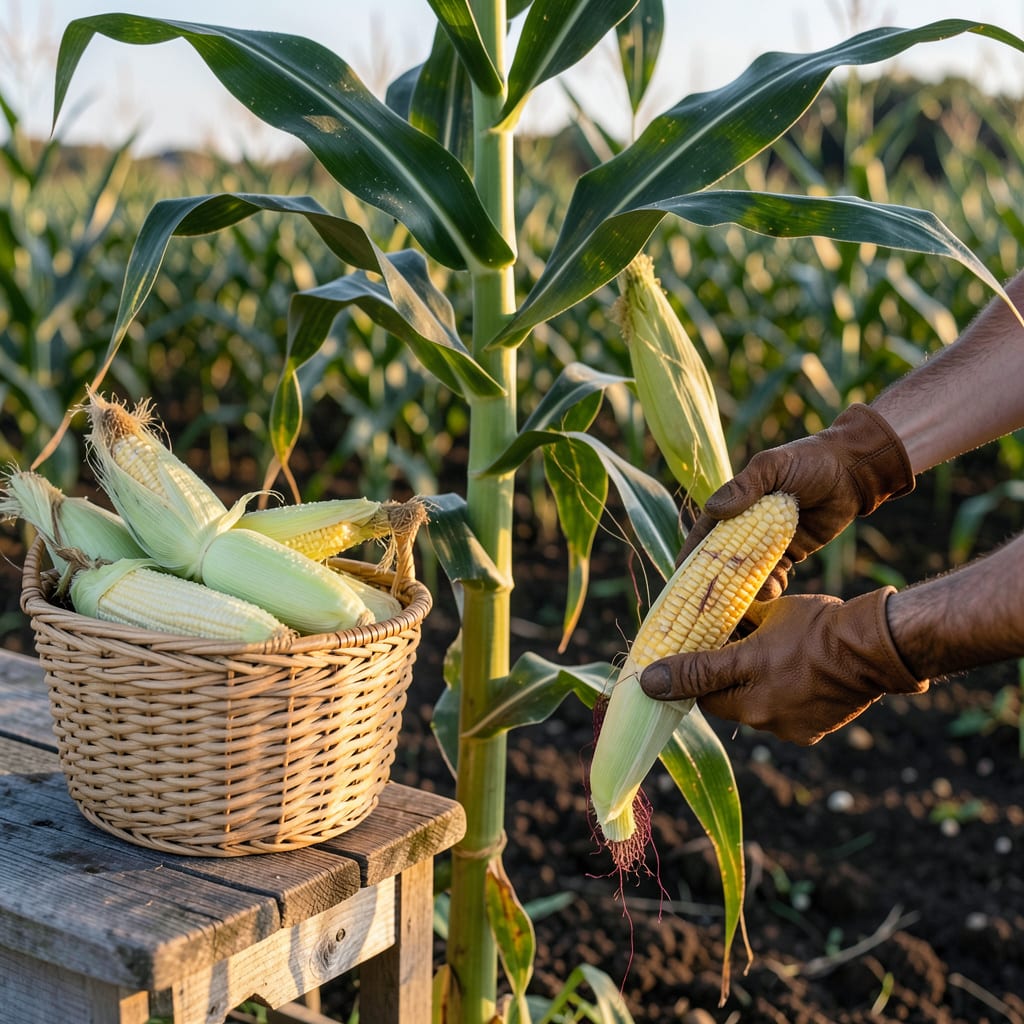
There’s nothing quite like biting into a perfectly ripe ear of 🌽 corn on the cob—juicy, sweet, and bursting with flavor. But pick it too soon or too late, and you’ll miss that ideal taste entirely.
Timing is everything, and I’ll help you nail it. From checking the silks to testing the kernels, we’ll cover the foolproof signs that your corn is ready. Get ready to harvest at its peak—no guesswork required.


Picking corn at its peak is all about reading the visual cues your plants give you. The first thing I check is the silk color—when it turns from green to a deep, dry brown, you’re getting close. But don’t stop there; the real test is hidden beneath the husk.
Next, I gently peel back the husk to examine the kernels. They should be plump and tightly packed, not shriveled or uneven. If they’re still small or watery, give them a few more days. This is where most beginners go wrong, assuming size alone means ripeness.
| Sign | Ready to Pick | Not Ready Yet |
|---|---|---|
| Silk Color | Brown & dry 🟡 | Green & moist 🟢 |
| Kernel Texture | Plump, milky juice ✅ | Small, watery 🔴 |
| Ear Firmness | Feels full & heavy 🔍 | Soft or lightweight ❄️ |
| Husk Appearance | Tight, green, crisp | Loose or yellowing |
The thumb test is my go-to trick for confirming ripeness. Press a kernel with your thumbnail—if a milky liquid squirts out, it’s perfect. Clear juice means it’s underripe, while no liquid or a doughy texture means you’ve waited too long.
Don’t overlook the ear size either. Most varieties are ready when the ear measures 6–8 inches long. If it’s still under 5 inches, it needs more time. I also check the husk tightness—a ripe ear will feel snug and slightly resistant when squeezed.
Timing varies by variety, but most sweet corn reaches maturity in 60–100 days. If you planted a super-sweet hybrid, it might hold its sugar longer, giving you a wider harvest window. Field corn, on the other hand, is typically left to dry fully before picking.
One mistake I see often is harvesting based on calendar days alone. Instead, watch your plants daily once they’re close. Hot weather can speed up ripening, while cooler temps might delay it. Trust the physical signs over a predetermined schedule.
If you’re still unsure, try the shake test. Hold the ear and give it a gentle shake—if it feels solid and doesn’t rattle, it’s likely ready. Overripe corn will feel dense and heavy, but the kernels lose their sweetness quickly after peak.
Once you’ve confirmed ripeness, harvest immediately. Corn sugars start converting to starch within 24 hours of peak ripeness. For the best flavor, I pick in the early morning when sugars are highest and temperatures are cool.
Finally, handle your harvest with care. Twist the ear downward to snap it off the stalk, avoiding damage to the plant. Store unshucked corn in the fridge and eat it within 3–5 days for the freshest taste. The difference between store-bought and homegrown is night and day! 🌽
If you want the sweetest corn possible, timing isn’t just about ripeness—it’s also about the time of day you pick. I always harvest my corn in the early morning when temperatures are cool and sugar levels are highest. This small detail makes a huge difference in flavor.
Corn sugars begin converting to starch as soon as it’s picked, and heat speeds up this process. By harvesting before 9 AM, you lock in that natural sweetness before the sun starts breaking down the sugars. Trust me, your taste buds will thank you for the extra effort.
Corn loses 50% of its sweetness within 24 hours of picking. For peak flavor, harvest in the morning and eat it the same day. If you must store it, keep the husks on and refrigerate immediately.
After picking, I handle the ears with care to avoid bruising the kernels. Twist the ear downward with a firm grip, then snap it off the stalk cleanly. Avoid pulling straight out, as this can damage the plant and reduce future yields from the same stalk.
Once harvested, I leave the husks intact until I’m ready to cook. The husk acts as a natural protective layer, keeping moisture in and preventing sugar loss. If you need to store corn for more than a day, place it in a perforated plastic bag in the fridge’s crisper drawer.
For the absolute best flavor, I recommend eating your corn within 3–5 days of harvesting. The longer it sits, the more starch replaces sugar. If you’ve grown more than you can eat fresh, consider blanching and freezing it to preserve that garden-fresh taste.
If you’re growing multiple varieties, stagger your planting dates by 1–2 weeks to extend your harvest window. This way, you’ll have fresh corn ready to pick over several weeks instead of all at once. It’s a simple trick that keeps your summer meals exciting! 🌽
Not all corn is created equal when it comes to harvest timing. The variety you plant directly affects when you should pick it. Sweet corn typically matures in 60–75 days, while super-sweet hybrids may take up to 100 days. Knowing your type is key.
For example, bi-color varieties like ‘Peaches and Cream’ often reach peak sweetness around 75–80 days. Meanwhile, classic yellow sweet corn, such as ‘Golden Bantam’, is usually ready closer to 65–70 days. Always check your seed packet for exact timelines.
| Variety | Days to Maturity | Harvest Window | Best For |
|---|---|---|---|
| Sweet Corn | 60–75 days | 1–2 weeks | Fresh eating, grilling |
| Super-Sweet | 75–100 days | 2–3 weeks | Longer storage, shipping |
| Bi-Color | 70–85 days | 10–14 days | Balanced flavor, visual appeal |
| Field Corn | 100+ days | When fully dry | Animal feed, cornmeal |
Climate plays a big role in timing too. In hotter regions, corn may mature 5–10 days faster than the seed packet suggests. Cooler areas might delay ripening by a week or more. I always adjust my expectations based on the season’s weather patterns.
If you’re growing heirloom varieties, pay extra attention to the silk drying process. These types often have a narrower harvest window than modern hybrids. I like to start checking them daily once the silks begin to brown, usually around day 60.
For super-sweet varieties, you’ve got a bit more flexibility. Their higher sugar content means they stay sweet longer after picking. But don’t push it—even these should be harvested within 3–5 days of reaching peak ripeness for the best flavor.
Pro tip: If you’re planting multiple varieties, stagger your sowing dates by 2 weeks. This ensures a continuous harvest rather than a single overwhelming glut. I plant my first batch in early May and a second in late May for a steady summer supply. 🌽
Overripe corn has kernels that feel tough and doughy when pressed. The silks will be completely brown and brittle, and the husk may start yellowing. If you pierce a kernel and no liquid comes out, it’s past its prime.
No, corn doesn’t ripen further once picked. In fact, its sugars start converting to starch immediately. For best flavor, harvest only when fully ripe and eat within 24 hours. Refrigerate unshucked to slow sugar loss.
While morning is ideal, evening harvesting is fine if you refrigerate immediately. Avoid midday when heat accelerates sugar conversion. If evening picking is necessary, store corn in the coldest part of your fridge.
Ears at the top of the stalk often mature 2-3 days later than lower ones due to less direct sunlight. Varieties with multiple ears per stalk may also have staggered ripening. Check each ear individually for readiness signs.
Heavy rain can delay ripening by 3-5 days as it cools the soil. However, consistent light rain may speed up growth. After rainfall, check silks for excess moisture—wait until they dry completely before testing kernels.
