
Beautiful Plants For Your Interior
Beautiful Plants For Your Interior
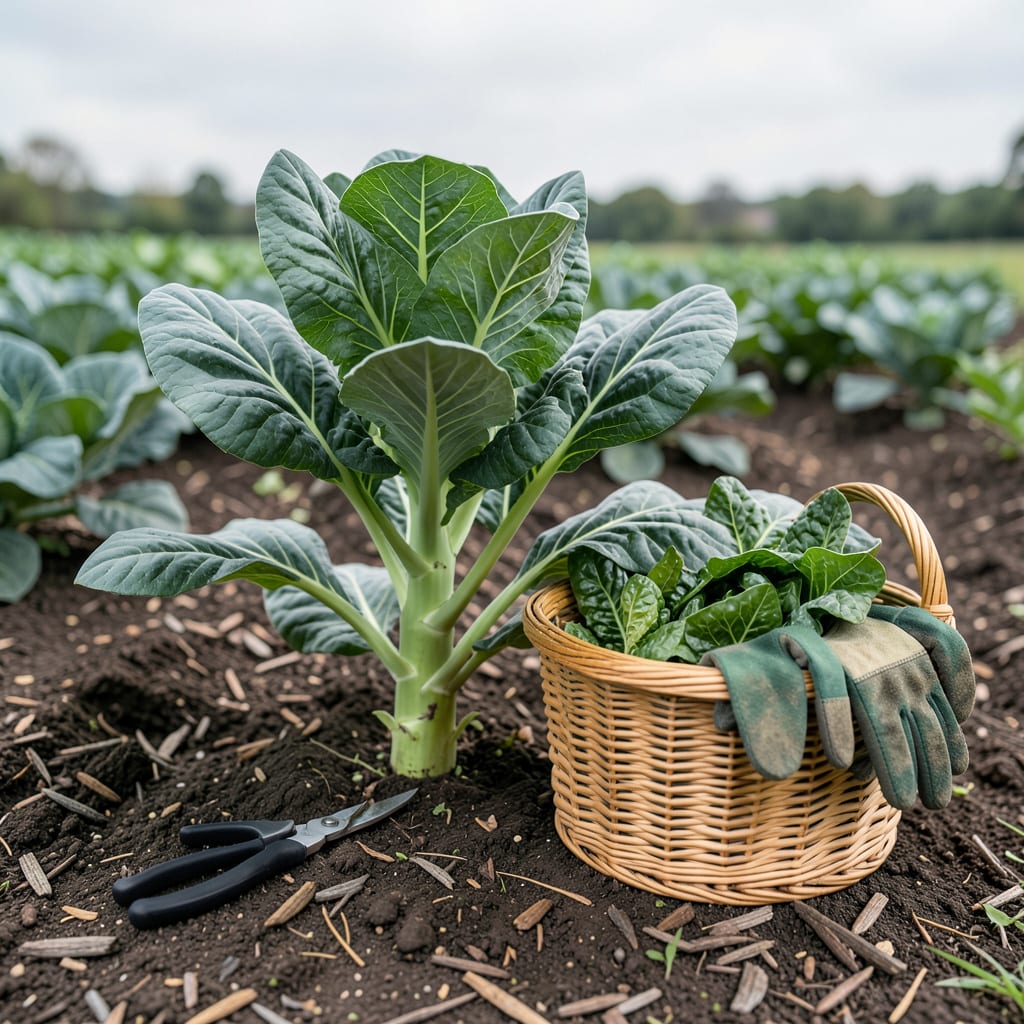
There’s nothing quite like the satisfaction of plucking tender, vibrant collard greens straight from your garden—if you time it right. Miss that perfect window, and you’re left with tough, bitter leaves that even your compost pile might reject.
I’ve learned the hard way that timing is everything with 🥬 Collard Greens. Whether you’re harvesting for the first time or trying to extend your season, I’ll show you the foolproof signs to watch for—so every bite is as flavorful as it should be. Let’s get this right.


Knowing exactly when to pick collard greens transforms your harvest from “meh” to “magnificent.” I’ve ruined my share of crops by harvesting too early—or waiting too long. The secret? Watch for three key signs: size, color, and texture. Let’s break it down so you never second-guess again.
First, forget the calendar—your plants will tell you when they’re ready. I start checking my collards around 55-65 days after planting, but the real clues are in the leaves. If they’re still small and pale, give them time. But once they hit that sweet spot, it’s go time. Here’s what to look for.
I always harvest the outer leaves first, leaving the center intact. This trick lets your collards keep producing for months. Use clean pruning shears or your fingers—just snap the leaf downward at the stem. If the leaf resists, it’s not ready. Pro tip: Morning harvests yield the crispiest leaves.
Watch out for bolting—when the plant sends up a flower stalk. Once that happens, the leaves turn bitter fast. In hot climates, I harvest younger leaves (around 6 inches) to beat the heat. In cooler zones, you can let them grow larger. The goal? Tender but sturdy leaves that hold up in cooking.
If you’re unsure, do the “bend test”: Gently fold a leaf. If it snaps cleanly, it’s ready. If it bends like rubber, wait a few days. And don’t stress about frost—collards actually sweeten after light freezes. I’ve harvested perfect leaves after temps dipped to 28°F!
For baby collards, pick when leaves are 4–6 inches—they’re perfect for salads. Mature leaves (up to 12 inches) work best for cooking. Just avoid the “monster leaf” stage, where they get fibrous. Trust me, your taste buds will thank you.
Remember: Collards are “cut-and-come-again” stars. Harvest every 7–10 days during peak season, and your plants will keep giving. I’ve had single plants produce for 4+ months with this method. Now that’s what I call a garden investment! 🌿
Still not sure? Here’s my foolproof rule: When in doubt, harvest a test leaf. Taste it raw—if it’s mild and slightly sweet, the rest are ready. If it’s tough or bitter, give them a few more days. Your plants will tell you everything you need to know.
And don’t forget: The more you harvest, the more they’ll produce. It’s like a gardening magic trick—the gift that keeps on giving. Now grab those shears and get picking! ✂️
If you’ve ever wondered why your neighbor’s collard greens taste sweeter than yours, the answer might be in the calendar. Climate and season play a huge role in flavor and tenderness. I’ve found that cool weather brings out the best in collards, while summer heat can turn them bitter faster than you’d expect.
In most regions, you’ll get two prime harvest windows: spring and fall. Spring collards mature quickly but may bolt in heat, while fall crops often taste sweeter after light frosts. The trick is knowing your USDA zone and adjusting accordingly. Here’s how to nail the timing.
For spring-planted collards, start checking leaves around 60-70 days after sowing. I like to harvest when they’re 10-12 inches tall but before temperatures consistently hit 80°F. Once summer arrives, collards grow tough and bitter—unless you’re in a cooler coastal area.
Fall is my favorite time for collards because light frosts actually improve their flavor. In zones 6-8, I plant in late summer for a October-November harvest. The leaves become sweeter and more tender after a few 28-32°F nights, but avoid heavy freezes which can damage the plant.
If you’re in the Deep South (zones 9-11), collards thrive as a winter crop. Plant in fall for harvests through winter and early spring. Watch for bolting as days lengthen—once you see flower stalks, the leaves turn bitter. I cut mine back hard and fertilize to extend the season.
Pro tip: Succession planting works wonders. Sow new seeds every 3-4 weeks from late summer through early fall for a continuous supply. And remember, morning harvests yield the crispiest leaves—wait until dew dries but before the sun gets too intense.
No matter your zone, always harvest outer leaves first, leaving the center to keep producing. With the right timing, you’ll get 3-4 months of fresh collards from a single plant. Now that’s what I call a garden win! 🌱
Even experienced gardeners can sabotage their collard greens harvest without realizing it. I’ve made these mistakes myself—like harvesting too aggressively or using dull tools—and watched my plants suffer. The good news? These errors are easy to fix once you know what to watch for.
First up: over-harvesting. It’s tempting to take all those beautiful leaves at once, but stripping more than 1/3 of the plant at a time stresses it. I learned this the hard way when my collards stopped producing after I got greedy. Stick to the outer leaves only, and your plant will keep giving.
Another critical mistake: harvesting at the wrong time of day. Picking collards in the heat of afternoon leads to wilted, limp leaves. I always harvest in the early morning when leaves are crisp and hydrated. If you must harvest later, shade the plants first or use a mist bottle to revive them.
Watch out for bolting—when collards send up flower stalks. This happens in heat or when plants are stressed. Once you see that central stalk forming, harvest all leaves immediately because they’ll turn bitter. In hot climates, I plant collards where they get afternoon shade to delay bolting by 2-3 weeks.
Finally, don’t forget post-harvest care. After picking, I always water my collards deeply and add a balanced fertilizer (like 10-10-10) to encourage new growth. Skipping this step means slower regrowth and smaller leaves. A quick mulch refresh helps too—it keeps roots cool and moist during recovery.
Here’s my quick collard rescue
You can harvest every 7-10 days during peak season. Always take just 3-4 outer leaves per plant to avoid stressing it. With proper care, a single collard plant can produce for 3-4 months or longer.
Light frosts actually improve flavor by converting starches to sugars. Collards tolerate temps down to 28°F beautifully. Heavy freezes may damage leaves, so cover plants if temps drop below 25°F for extended periods.
Once collards bolt (send up flower stalks), the leaves turn bitter. Harvest all remaining leaves immediately when you see flower buds forming. The plant’s energy shifts to reproduction, making leaves inedible.
Early morning is ideal—leaves are crispest after dew dries but before heat sets in. Avoid afternoon harvesting when plants are stressed. If you must pick later, shade plants first or mist leaves to revive them.
