
Beautiful Plants For Your Interior
Beautiful Plants For Your Interior
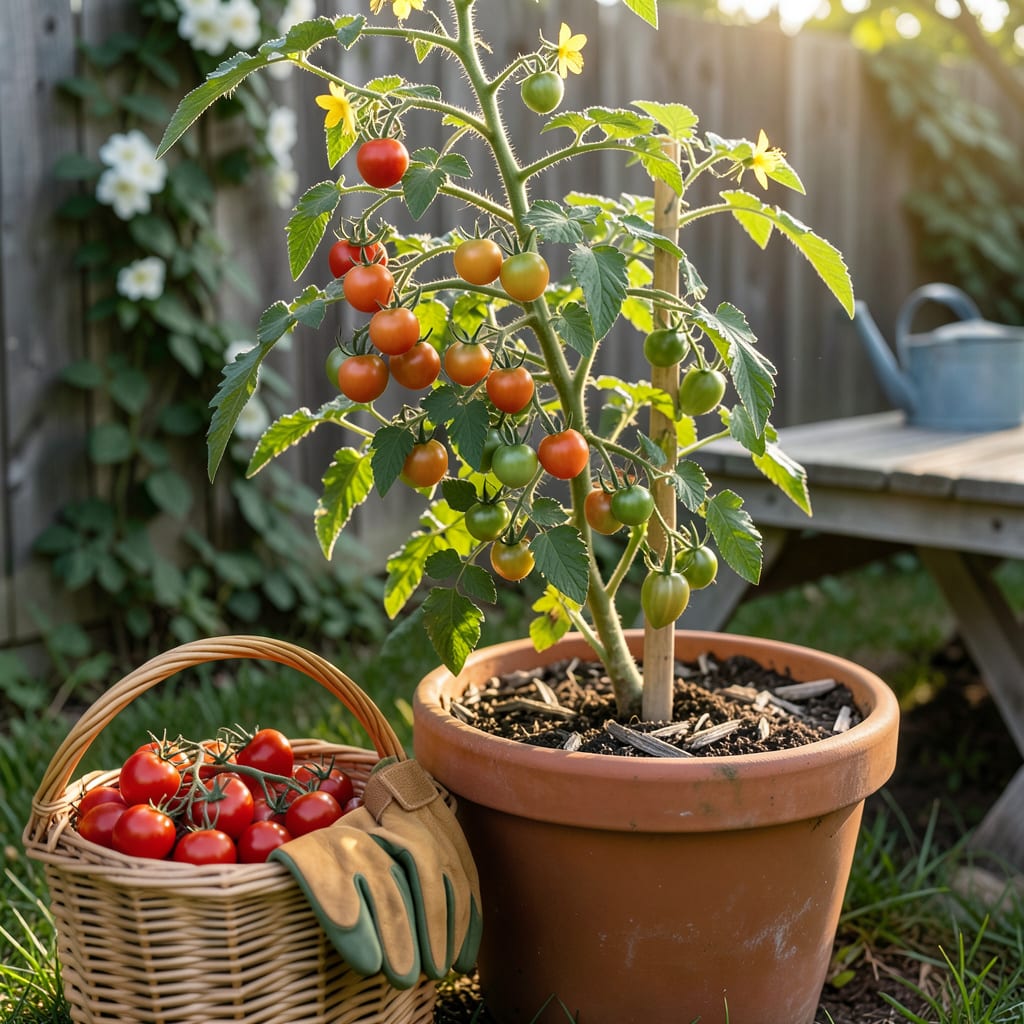
Nothing beats the taste of a sun-ripened cherry tomato straight from your garden—when it’s picked at just the right moment. But how do you know when that perfect window arrives? One day too early, and you miss out on sweetness; one day too late, and the texture turns mushy.
I’ve learned the hard way that timing is everything. Whether you’re growing Sweet 100s or Sun Golds, the clues are in the color, feel, and how easily they release from the vine. Let me show you the 3 foolproof signs that guarantee your 🍅 harvest is bursting with flavor—not disappointment.


Nothing beats the taste of a sun-ripened cherry tomato plucked straight from the vine. But how do you know when they’re truly ready? Forget counting days—your plants will tell you! I’ve found that color, texture, and stem behavior are the three foolproof indicators.
First, let’s talk about color transformation. Most cherry tomatoes start green and gradually deepen to red, yellow, or purple depending on the variety. But don’t be fooled by partial color changes—we’re looking for uniform richness across the entire fruit.
Fully colored with no green shoulders—deep red for Sweet 100, golden orange for Sun Gold, or dark purple for Black Cherry varieties.
Skin yields slightly to thumb pressure—like a ripe avocado’s firmness. Too soft means overripe; too firm means wait another day.
Tomato separates cleanly from the vine with a gentle twist. If it resists, it’s not ready. Forced picking damages both fruit and plant.
Let’s dive deeper into color changes. With red varieties like Sweet 100, you want a deep, even crimson—no green streaks near the stem. For yellow types such as Sun Gold, look for a bright, sunny hue without pale patches. I always check the underside of the fruit too, as it often ripens last.
The squeeze test is my favorite way to confirm ripeness. Gently press the tomato between your thumb and forefinger. It should have a slight give, like a stress ball that’s not fully inflated. If it feels rock-hard, give it another day in the sun. Remember, overhandling can bruise the fruit, so test just one or two per cluster.
Now for the stem test—this is where many gardeners go wrong. A ripe cherry tomato will detach with a light twist and minimal resistance. If you’re yanking hard, it’s not ready! I like to cup the fruit in my palm and roll it gently between my fingers until it pops free. This prevents stem damage to the plant.
Here’s a pro tip: Check your plants daily during peak season. Cherry tomatoes can go from underripe to overripe in just 24-48 hours, especially in hot weather. I make it part of my morning routine to inspect vines—it’s amazing how quickly those little jewels transform when the sun’s out!
Watch out for common mistakes like harvesting after heavy rain (which dilutes flavor) or picking during the hottest part of the day (tomatoes can scald). Early morning is ideal when sugars are most concentrated. And never pull tomatoes by the vine—this can damage future fruit production.
Different varieties have slightly different cues. Black Cherry tomatoes develop a deep purple-black hue when ripe, while White Currant types turn pale yellow. I keep a little notebook with photos of each variety at perfect ripeness—it’s my secret weapon for consistent harvests!
Remember, size isn’t everything. While most cherry tomatoes reach 1-2 inches in diameter when mature, some varieties stay smaller. Focus on the color and texture we discussed earlier. And don’t worry if your first few harvests aren’t perfect—you’ll develop an eye for it after just a week or two of practice.
I get it—you don’t want to pluck a cherry tomato too soon and miss out on that perfect sweetness. The good news? You can check ripeness without picking using two simple, non-destructive techniques. These methods save you from guesswork and prevent bruising delicate fruit.
First, try the gentle squeeze test. Place your thumb and forefinger around the tomato and apply light pressure. A ripe cherry tomato will yield slightly—like a stress ball—but still feel firm. If it’s rock-hard, it needs more time. If it’s mushy, you’ve waited too long.
Over-squeezing can bruise fruit or cause premature dropping. Limit testing to 1-2 tomatoes per plant and always support the vine with your other hand.
Avoid testing after rain—excess moisture makes fruit feel softer than it is, leading to false ripeness signals.
Next, use the stem tug method. Grasp the tomato between your fingers and give it a gentle twist. A ripe fruit will detach easily with minimal effort. If it resists, leave it for another day or two. This works because ripe tomatoes develop an abscission layer—a natural separation point at the stem.
For best results, test tomatoes in the early morning when temperatures are cooler. Heat can make fruit feel softer than it actually is. I like to check the same few tomatoes daily once they start changing color—this helps me catch the perfect harvest window without second-guessing.
Remember that variety matters: Sun Gold tomatoes turn golden-orange when ripe, while Black Cherry varieties deepen to a purplish-brown. When in doubt, compare your fruit to the mature color shown on your seed packet or plant tag.
If you’re growing heirloom varieties, watch for subtle cues like a glossy sheen or slight wrinkling near the stem—these often indicate peak ripeness. And don’t forget: daily checking during peak season prevents missed opportunities, especially with fast-ripening varieties like Sweet 100.
Timing isn’t just about ripeness signs—it’s also about the clock on the wall. I always recommend harvesting cherry tomatoes in early morning (before 10 AM) when temperatures are cool. This preserves their natural sugars and crisp texture that heat can degrade.
The science is simple: overnight cooling concentrates flavors, while morning dew adds a refreshing crispness. Compare this to afternoon picking when plant stress from heat can make fruit mealy. Even 24 hours of difference in harvest time can change your tomato’s taste profile dramatically.
⏰ Bonus: Picked tomatoes continue ripening off-vine, but flavor development stops at harvest.
Many gardeners ask about evening harvesting, but I caution against it. While the cooler evening temps might seem ideal, tomatoes actually lose 10-15% of their sugar content during daytime heat. That’s why my morning-only rule gives consistently sweeter results.
For those in hot climates (Zones 9-11), you might need to adjust to pre-dawn harvesting during peak summer. I’ve found that 70°F or below is the magic temperature threshold for preserving that just-picked perfection. Use a soil thermometer if you’re serious about timing!
Post-harvest handling matters too. Never leave picked tomatoes in direct sunlight—even 30 minutes can cause flavor loss. Instead, store them stem-side down in a single layer at room temperature. This prevents moisture loss through the scar where the fruit detached from the vine.
Check your cherry tomato plants daily once they start changing color. They can ripen incredibly fast—sometimes in just 24-48 hours—especially in warm weather. I make it part of my morning routine to gently inspect the vines.
Focus on clusters that are already showing color changes. A quick daily check prevents missing that perfect harvest window.
It’s best to avoid harvesting immediately after rain. The excess moisture can dilute flavor and make the fruit more prone to splitting. Wait until the plants have dried out, usually 4-6 hours after rainfall stops.
If you must harvest wet tomatoes, handle them extra gently and use them quickly. They won’t store as well as dry-picked ones.
Store them at room temperature, stem-side down in a single layer. Never refrigerate unless they’re cut—cold kills flavor and texture. They’ll keep for 2-3 days this way, though they’re best eaten within hours of picking.
For longer storage, spread them on a tray in a cool, dark place with good airflow. Avoid plastic bags which trap moisture.
Several factors affect ripening speed: sun exposure, variety, and plant health. Tomatoes getting full sun ripen faster than shaded ones. Some varieties like Sun Gold mature quicker than heirloom types.
Also, plants under stress (from drought or pests) may produce fruit that ripens unevenly. Consistent watering helps maintain steady ripening.
