
Beautiful Plants For Your Interior
Beautiful Plants For Your Interior
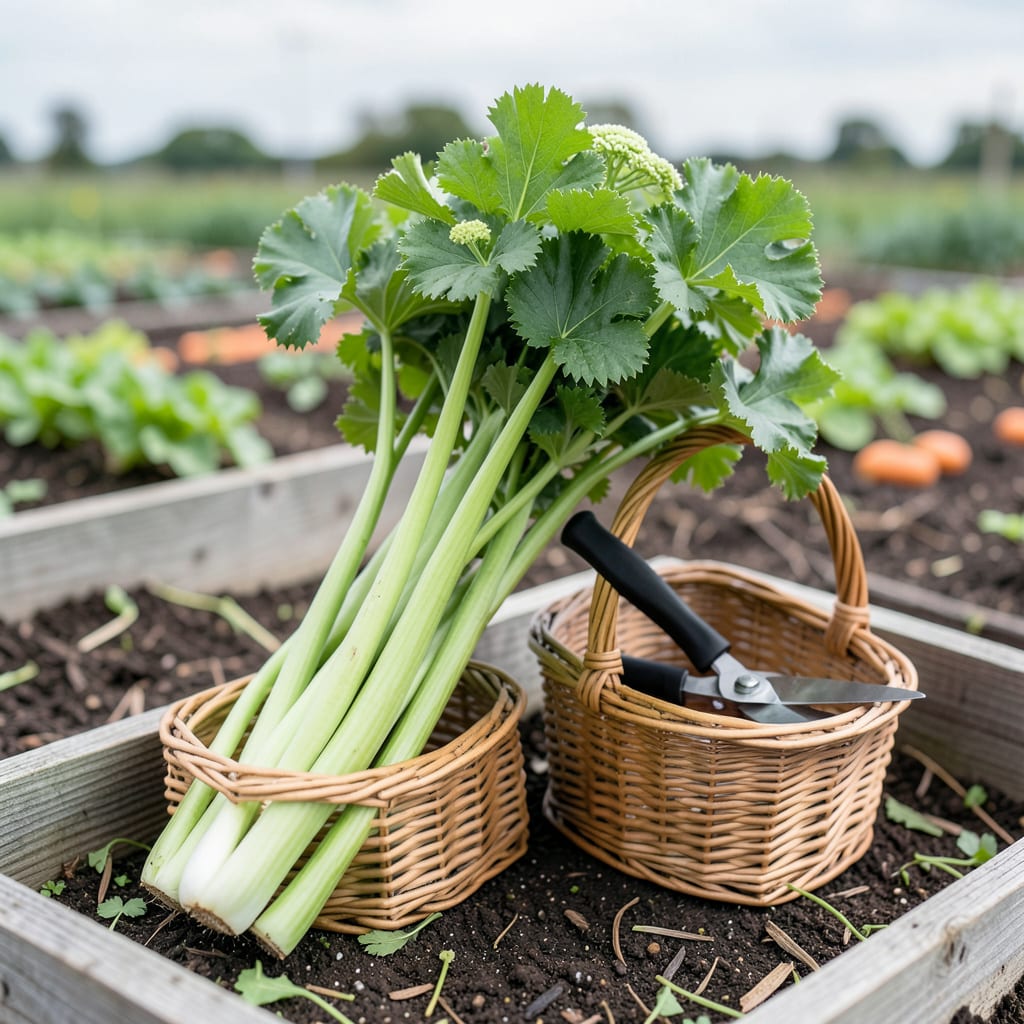
There’s nothing worse than waiting months for your 🥬 celery to grow, only to harvest it too soon—or too late—and end up with tough, flavorless stalks. I’ve been there, and let me tell you, timing makes all the difference between a crisp, satisfying crunch and a disappointing chew.
After years of trial and error in my own garden, I’ve pinpointed the perfect moment to pick celery for maximum flavor and texture. Whether you planted in early spring or late summer, I’ll show you the foolproof signs to watch for—so you never second-guess your harvest again.


If you planted your 🥬 celery in early spring, you’ll typically harvest in 100–130 days, depending on your climate. I’ve found that spring-planted celery matures faster in warmer zones but may need extra time in cooler regions.
For fall plantings, adjust your expectations—cool weather slows growth, so add 2–3 weeks to your timeline. In my garden, fall celery often tastes sweeter, but it requires more patience as daylight decreases.
In USDA Zones 7–9, you can often sneak in a second harvest by planting in late summer. I’ve had success with this method, but be sure to protect young plants from heat stress with shade cloth.
Watch the weather forecast as your harvest window approaches. A sudden cold snap can damage celery, so I always keep row covers handy. If frost threatens, harvest immediately—even slightly immature celery is better than frozen stalks.
For container-grown celery, the timeline stays similar, but you’ll need to monitor soil moisture closely. Potted plants dry out faster, which can delay maturity. I check my containers twice daily in hot weather to keep growth on track.
Remember, partial harvesting extends your season. By cutting only the outer stalks, you can enjoy fresh celery for weeks while the inner stalks continue growing. This method works especially well in mild climates where celery won’t bolt quickly.
If you’re growing heirloom varieties, note that some take longer to mature. My ‘Golden Self-Blanching’ celery, for example, needs a full 130 days, but the wait is worth it for its tender, sweet stalks. Always check your seed packet for variety-specific timelines.
Once you’ve harvested your 🥬 celery, proper storage is key to maintaining that garden-fresh crunch. I always start by gently rinsing the stalks under cool water to remove any soil, then pat them dry with a clean towel. This simple step prevents mold growth during storage.
For short-term storage, wrap your celery in aluminum foil or place it in a sealed container with a damp paper towel. This method keeps stalks crisp for 2–3 weeks in the fridge. I’ve found this works better than plastic bags, which trap too much moisture.
For long-term freshness, stand celery upright in a jar of water (like flowers) and refrigerate. Change water every 2–3 days for stalks that stay crisp up to 4 weeks!
If you’ve harvested more than you can use, consider freezing celery for cooking. Chop stalks into 1-inch pieces, blanch for 3 minutes, then freeze in single layers before bagging. This preserves flavor for 6–8 months in soups and stocks.
For container-grown celery, you can often regrow the base. Simply cut off the stalks about 2 inches from the root end, place the base in water, and watch new growth appear in 5–7 days. I’ve regrown celery this way multiple times!
Remember that wilting isn’t permanent. If your celery loses crispness, trim the ends and soak in ice water for 30–60 minutes. This trick revives stalks almost every time in my experience. Store revived celery in the fridge for best results.
Celery stalks are ready when they reach 6-8 inches in height. This is the sweet spot where they’re mature enough for optimal flavor but not yet tough or fibrous. Check the base too—stalks should feel firm and crisp when gently pressed.
Start by cutting the outer stalks first, leaving the inner ones to continue growing. This method extends your harvest window by 2-3 weeks. Just be sure to use clean shears to avoid damaging the remaining plant.
Overmature celery becomes woody and stringy, losing its signature crunch. The stalks may also develop a bitter taste. In warm weather, delayed harvesting can cause the plant to bolt (go to seed), making the stalks inedible.
Yes, fall celery typically needs 2-3 extra weeks compared to spring plantings. Cooler temperatures and shorter daylight hours slow growth. However, many gardeners find fall-harvested celery has a sweeter, more intense flavor worth the wait.
Use the “snap test”: bend a stalk near the base. If it breaks cleanly with a crisp snap, it’s ready. Also check the leaves—they should be deep green and glossy, not pale or wilted. Trust your instincts!
