
Beautiful Plants For Your Interior
Beautiful Plants For Your Interior
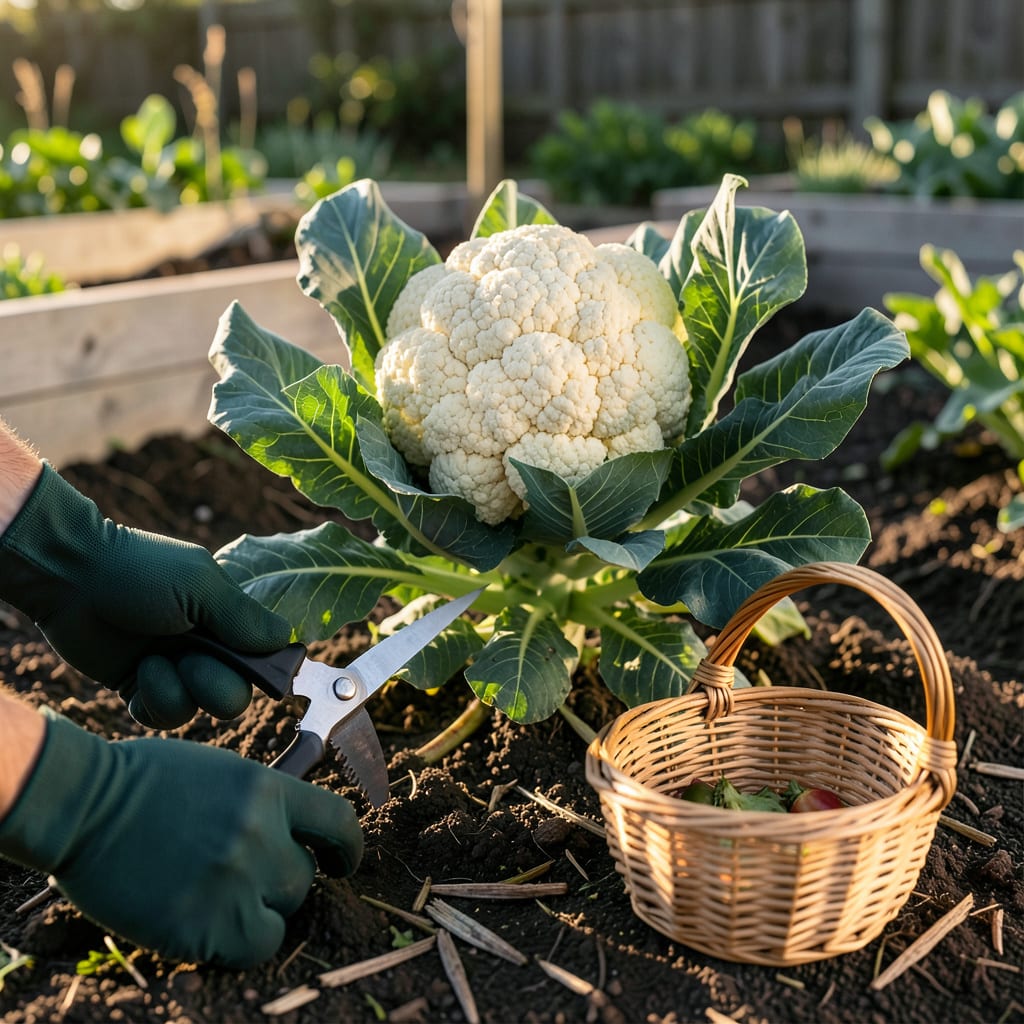
That moment when your 🥦 cauliflower is finally ready to pick—only to realize you might’ve waited too long. One day it’s perfect, the next it’s turning yellow or splitting open. The difference between a crisp, sweet harvest and a bitter, woody disappointment? Just a few days.
I’ve lost count of how many gardeners I’ve seen rush or delay harvesting, only to regret it later. The good news? Cauliflower gives you clear signals when it’s at its peak—if you know what to look for. Let’s break down the exact signs so you never second-guess your timing again.


There’s nothing worse than watching your 🥦 cauliflower head turn from crisp perfection to a yellow, bitter mess overnight. The secret? Three key visual cues—size, color, and leaf behavior—that tell you it’s go time. Miss these, and you risk a harvest that’s either underdeveloped or past its prime.
Most varieties hit their sweet spot at 6–8 inches in diameter, but that’s just the start. The head should feel dense and firm when pressed, with florets so tightly packed they almost squeak. If the leaves start curling away from the head like they’re doing the limbo, that’s your plant’s way of saying, “Pick me!”
💡 Pro Tip: If florets start separating like a blooming flower, you’ve waited too long—flavor turns bitter and woody fast.
Here’s where gardeners get tripped up: waiting for “bigger” heads. Cauliflower won’t keep growing like zucchini—once it hits maturity, it bolts or rots within days. I’ve seen “Snowball” varieties go from perfect to split-open in 48 hours during a heatwave. Check your plants every morning once heads form.
Color changes are your red flag warning system. A hint of yellow means the head is starting to open up and lose sweetness. Purple varieties like ‘Graffiti’ should be deep and vibrant, not dull. If you spot brown edges, that’s sunburn—harvest immediately and provide shade next season.
The leaf test is my favorite trick. When the outer leaves start to curl away from the head like they’re shying from sunlight, that’s nature’s timer going off. This happens because the head is stealing energy, and the leaves can’t keep up. Ignore this, and you’ll end up with a loose, mealy harvest.
Don’t forget the stem check—it’s the backbone of your harvest. A thick, sturdy stem means the plant has channelled energy into the head. If it’s thin or bendy, the head isn’t fully developed yet. I use my thumb and forefinger to gauge thickness: if it feels like a sharpie marker, it’s ready.
Timing varies by variety, but most cauliflower hits peak ripeness 75–85 days after transplanting. ‘Early Snowball’ might be ready in 55 days, while ‘Romanesco’ can take 100+ days. Always note your planting date and start checking at the earlier end of the range—better early than late!
One final test: the “bounce” check. Gently press the head with your palm. If it feels like a firm pillow and springs back slightly, it’s perfect. If it’s rock-hard, you’ve got another day or two. If it’s soft? You’re already too late—compost time.
Remember, cauliflower doesn’t ripen off the plant like tomatoes. Once it’s past prime in the garden, there’s no saving it. When in doubt, harvest a little early—you can always let it sit on the counter for a day to firm up, but you can’t reverse over-maturity.
If you’ve ever wondered why your neighbor’s 🥦 cauliflower is ready weeks before yours, blame the weather and the variety. A cool-season crop, cauliflower thrives in 60–65°F temperatures. Push past 75°F, and heads bolt or turn bitter. Frost? It can kiss your harvest goodbye—unless you’re growing a cold-hardy type.
Not all cauliflower plays by the same rules. Early varieties like ‘Snowball Y Improved’ mature in 55–60 days, while ‘Purple of Sicily’ takes 80–90 days. Your USDA zone matters too: Gardeners in Zone 5 might harvest in June, but Zone 9 folks could be picking in late winter.☀️
| Variety | Days to Maturity | Best for Zones | Heat Tolerance |
|---|---|---|---|
| Snowball Y Improved | 55–60 days | 3–9 | Low (bolts at 75°F+) |
| Purple of Sicily | 80–90 days | 5–10 | Moderate (handles 80°F) |
| Cheddar (Orange) | 70–75 days | 4–8 | High (tolerates 85°F) |
| Romanesco | 75–90 days | 6–9 | Low (needs cool nights) |
Here’s the kicker: Humidity speeds up or slows down maturity. In dry climates, cauliflower may need extra water to size up, while humid regions risk fungal diseases if heads sit too long. I once lost a entire patch of ‘Graffiti’ (purple cauliflower) to downy mildew because I waited for “perfect” size in a wet summer.
For fall plantings, timing is trickier. Count backward from your first frost date—cauliflower needs 60–80 days to mature. In Zone 6, that means seeding by mid-July for an October harvest. Miss the window, and you’ll be racing against freezing temps.🌡️
Pro tip: Blanching (tying leaves over heads) isn’t just for color—it buys you 3–5 extra days in warm weather. Use rubber bands or soft twine when heads reach 2–3 inches wide. This trick saved my ‘Skywalker’ hybrid during a surprise heatwave last year.
If you’re growing heirloom varieties, expect more variability. ‘Walcheren Winter’ can handle light frosts, but ‘Early Snowball’ will split if left too long. When in doubt, harvest smaller—a 6-inch head beats a bitter, overgrown one every time.✂️
Still unsure? Check the stem thickness. A pencil-sized stem means “wait,” while a baseball-bat stem screams “harvest NOW!” Pair this with the variety’s days-to-maturity, and you’ll never guess wrong again. Trust me, your taste buds will thank you.🌱
You’ve spotted the perfect 🥦 cauliflower head—now what? The difference between a clean harvest and a botched one comes down to three critical steps: cutting technique, post-harvest handling, and storage. Do it right, and you’ll enjoy fresh cauliflower for weeks; mess it up, and you’ll be tossing wilted florets in days.
First, grab a sharp chef’s knife (or pruners for thick stems) and sanitize it with rubbing alcohol. Cut the head with a single clean motion, leaving 2–3 inches of stem attached. Avoid sawing—this crushes cells and speeds up spoilage. I like to angle my knife slightly to let water drain off later.
💡 PRO TIP:
Harvest in the morning when heads are most hydrated. If you must cut later, soak the head in ice water for 30 minutes to revive crispness. For stubborn stems, twist the head slightly while cutting—it’ll pop right off!
Post-harvest, don’t rinse your cauliflower unless it’s caked in dirt. Excess moisture = mold. Instead, brush off debris with a soft vegetable brush. For storage, wrap the head loosely in a damp paper towel and place it in a perforated plastic bag in the fridge’s high-humidity drawer. This combo keeps it fresh for 10–14 days.
For long-term storage, blanch florets in boiling water for 3 minutes, then plunge into ice water. Drain well, pat dry, and freeze in single layers on a tray before bagging. This prevents that dreaded freezer-burn mush. I’ve kept blanched cauliflower tasty for up to 8 months this way—perfect for winter stir-fries.
Reviving wilted cauliflower? Trim the stem end at an angle and stand it in a jar of cold water (like flowers). After 1–2 hours, it’ll crisp up enough for cooking. For meal prep, cut florets into uniform sizes and store in airtight containers with a dry paper towel to absorb moisture. Replace the towel every 2 days.
Remember: Cauliflower’s flavor peaks at harvest and declines fast. If you grow colored varieties (purple, orange, green), their pigments fade with time. Eat ‘Graffiti’ within 5 days for maximum vibrancy. And never store cauliflower near apples or bananas—the ethylene gas they emit turns florets yellow overnight.🌱
Leaving cauliflower too long causes heads to turn yellow, develop a bitter taste, or even split open. The florets also become loose and mealy instead of crisp. Once you see yellowing, harvest immediately—flavor declines fast after that point.
It’s best to avoid harvesting during or right after heavy rain. Excess moisture makes heads prone to mold during storage. If you must harvest in wet conditions, pat the head dry immediately and store it with a dry paper towel to absorb moisture.
Small heads usually result from stress during growth, like inconsistent watering, poor soil nutrients, or extreme temperatures. Planting too late in warm weather can also stunt development. Next season, ensure steady moisture and feed with a balanced 10-10-10 fertilizer every 4-6 weeks.
Leave 2-3 outer leaves attached to protect the head during storage. These leaves help retain moisture and prevent bruising. Trim any damaged leaves first, but avoid stripping the head completely—it shortens freshness.
Underripe heads feel soft when pressed and have loose, uneven florets. The stem will also be thinner than a sharpie marker. If the head hasn’t reached 6 inches and the leaves aren’t curling upward yet, give it a few more days.
