
Beautiful Plants For Your Interior
Beautiful Plants For Your Interior
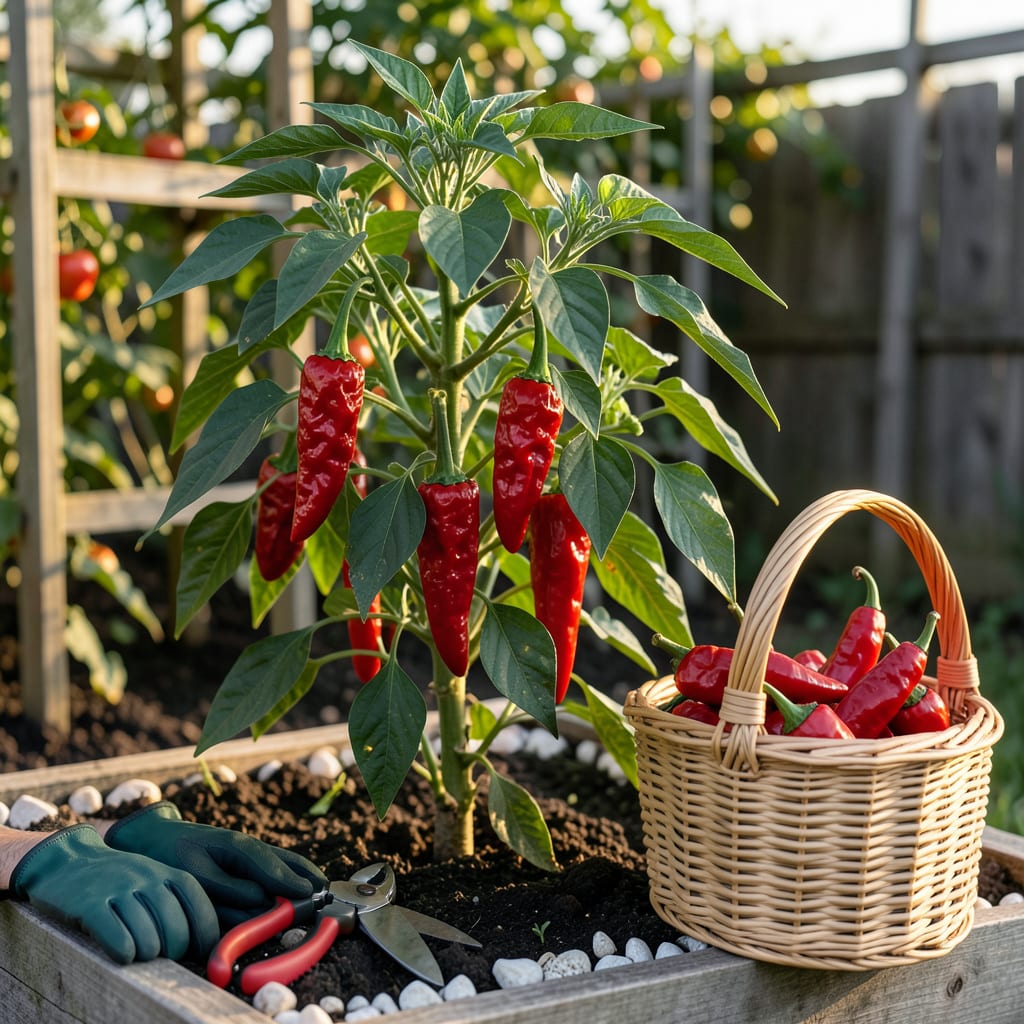
That moment when your 🌶️ Carolina Reaper finally turns deep red is thrilling—but pick it too soon or too late, and you’ll miss out on its legendary heat and flavor. I’ve seen gardeners ruin months of work by guessing wrong.
Here’s the good news: perfect timing isn’t luck. By watching for 3 key signs and understanding your climate’s role, you’ll harvest peppers at their fiery peak. Let me break down exactly what to look for—and when to make your move.


Knowing exactly when to pick your Carolina Reaper peppers is crucial for maximizing their legendary heat and flavor. The key is observing visual cues and physical changes that signal peak ripeness. I’ve learned through experience that timing can make or break your harvest.
First, focus on color transformation. Carolina Reapers start green, then transition through yellow and orange before reaching their signature deep red. This final stage is when capsaicin levels peak, giving you that intense heat the pepper is famous for.
| Sign | What to Look For |
|---|---|
| Color | Deep, uniform red (no green patches) |
| Size | 2-3 inches long with full shape |
| Texture | Firm with slight give when squeezed |
| Stem | Easily snaps when bent gently |
| Skin | Glossy, not wrinkled or dull |
Next, check the pepper’s size and shape. A mature Carolina Reaper typically measures 2-3 inches long with its distinctive scorpion-like tail. If it’s still small or misshapen, give it more time. The skin should feel firm but slightly yielding when gently pressed.
The stem test is another reliable indicator. When the pepper is ready, the stem will snap cleanly when bent. If it bends without breaking, the pepper needs more time. Also, examine the skin’s surface—it should be glossy and smooth, not dull or wrinkled.
Timing matters too. Carolina Reapers usually take 90-120 days from planting to harvest. In my garden, I start checking for ripeness around day 100. Remember that cooler climates may extend this timeline, while warmer regions might shorten it.
Avoid common mistakes like harvesting too early (you’ll miss out on full heat) or waiting too long (peppers may become soft or attract pests). If you notice the pepper starting to wrinkle or soften, it’s past its prime. For the best flavor and heat, pick when it’s at its peak red color and firmness.
Safety note: Always wear gloves and eye protection when handling Carolina Reapers. The capsaicin oils can cause severe irritation. I keep a dedicated pair of gardening gloves just for my peppers to avoid cross-contamination with other plants.
After harvesting, handle your peppers carefully. The heat continues to develop for a few days post-pick, so if you’re planning to dry or process them, do so within 3-5 days for optimal flavor preservation. Store fresh peppers in a cool, dark place until you’re ready to use them.
By mastering these visual and physical cues, you’ll consistently harvest Carolina Reapers at their fiery best. The satisfaction of picking a perfectly ripe pepper—knowing you’ve captured its maximum heat and flavor—makes all the careful observation worthwhile.
🌶️Your Carolina Reaper won’t ripen on a fixed calendar date—it’s all about how your local climate and care routine interact. I’ve seen peppers in hotter zones (like Texas) ripen 2-3 weeks earlier than those in cooler areas (like the Pacific Northwest). Even your watering habits can speed up or delay the process.
Temperature plays the biggest role. Consistent warmth (80–90°F) accelerates ripening, while cool nights (below 60°F) slow it down. If you’re in a shorter growing season, consider using row covers to trap heat. Sunlight is another game-changer—peppers need 6+ hours of direct sun daily to develop their signature heat and color.
| Condition | Effect on Ripening |
|---|---|
| Hot climate (85°F+) | Speeds up ripening by 10–14 days |
| Cool climate (below 70°F) | Delays ripening by 2–3 weeks |
| Drought stress | Slows growth, may cause smaller peppers |
| Overwatering | Leads to soft, less spicy peppers |
| Full sun (6+ hours) | Maximizes heat and color development |
If you’re in a humid climate, watch for fungal issues like powdery mildew, which can stress plants and delay ripening. I combat this by pruning lower leaves for airflow and watering at the base—never overhead. In dry regions, mulch heavily to retain moisture and prevent heat stress, which can cause peppers to drop prematurely.
Soil quality matters too. Poor, compacted soil slows nutrient uptake, delaying maturity. Amend your beds with compost and aged manure before planting, and side-dress with a 5-10-10 fertilizer every 4–6 weeks. I’ve found this boosts ripening time by up to a week compared to unamended soil.
For those in cooler zones (USDA 6 or below), start seeds indoors 10–12 weeks before your last frost. Use black plastic mulch to warm the soil faster in spring. If frost threatens before harvest, cover plants with frost blankets—peppers can still ripen on the vine even if growth slows.
Pro tip: If your season is winding down and peppers aren’t fully red, harvest them at the first sign of color change (orange-red) and ripen indoors. Place them in a paper bag with a banana—the ethylene gas speeds up the process. Just don’t expect the same intense heat as vine-ripened Reapers.
Remember, stress isn’t always bad. A mild drought (letting soil dry slightly between waterings) can actually increase capsaicin levels, making your peppers hotter. But balance is key—too much stress leads to stunted growth. Monitor your plants daily, and adjust care as conditions change.
You’ve finally harvested your Carolina Reaper at peak ripeness—now what? The moments after picking are critical for preserving that intense heat and flavor. I’ve ruined batches by mishandling them, so let me share the right way to process your peppers safely and effectively.
First, safety comes first. Always wear nitrile gloves (latex isn’t thick enough) and eye protection. The capsaicin oils can cause severe burns if they touch your skin or eyes. I keep a dedicated pair of gloves just for handling hot peppers to avoid cross-contamination with other garden tasks.
Never touch your face or eyes after handling Carolina Reapers—even with gloves. Wash your hands with soap and cold water immediately after. Avoid inhaling pepper dust when drying or grinding.
For short-term storage, place whole peppers in a paper bag (not plastic) in the crisp drawer of your fridge. They’ll stay fresh for 2–3 weeks. For longer storage, freeze them whole on a tray first, then transfer to airtight bags. This locks in heat and flavor for up to 6 months.
If you’re drying your Reapers, air-drying works best for small batches. Hang them in a well-ventilated, dark place for 2–4 weeks until brittle. For faster results, use a dehydrator at 135°F for 8–12 hours. Never wash peppers before drying—moisture leads to mold.
Once dried, store them in airtight containers away from light. Whole dried peppers keep for 1–2 years, while ground powder loses potency faster. For maximum heat retention, I vacuum-seal my dried peppers before storing. Label everything clearly—you don’t want to mistake Reaper powder for paprika!
🌶️Pro tip: If you’re saving seeds, remove them from fully ripe peppers and dry them on a paper towel for 5–7 days before storing. Viable seeds will remain cream-colored when dry. Store in a cool, dark place for next season’s planting.
From planting, expect 90–120 days until full red ripeness. The transition from green to deep red typically takes 2–3 weeks once color change begins. Cooler climates may extend this timeline by 1–2 weeks.
You can, but they won’t be at peak heat. Orange peppers are about 70% as hot as fully red ones. For maximum spiciness, wait until they’re uniformly deep red and slightly glossy. If frost threatens, harvest orange peppers and ripen indoors.
Overripe Reapers become soft, lose heat, and may attract pests. Watch for wrinkled skin or a mushy texture—these are signs they’ve passed their prime. In humid climates, they’re also more prone to rot if left too long.
Always use nitrile gloves (thicker than latex) to protect your skin. The capsaicin oils can cause burns or irritation that last for hours. I also recommend long sleeves and eye protection if you’re handling multiple peppers.
Green Carolina Reapers won’t ripen properly off the vine. They need to reach at least the yellow-orange stage before picking for indoor ripening. Place them in a paper bag with a banana to speed up the process, but expect reduced heat compared to vine-ripened peppers.
