
Beautiful Plants For Your Interior
Beautiful Plants For Your Interior
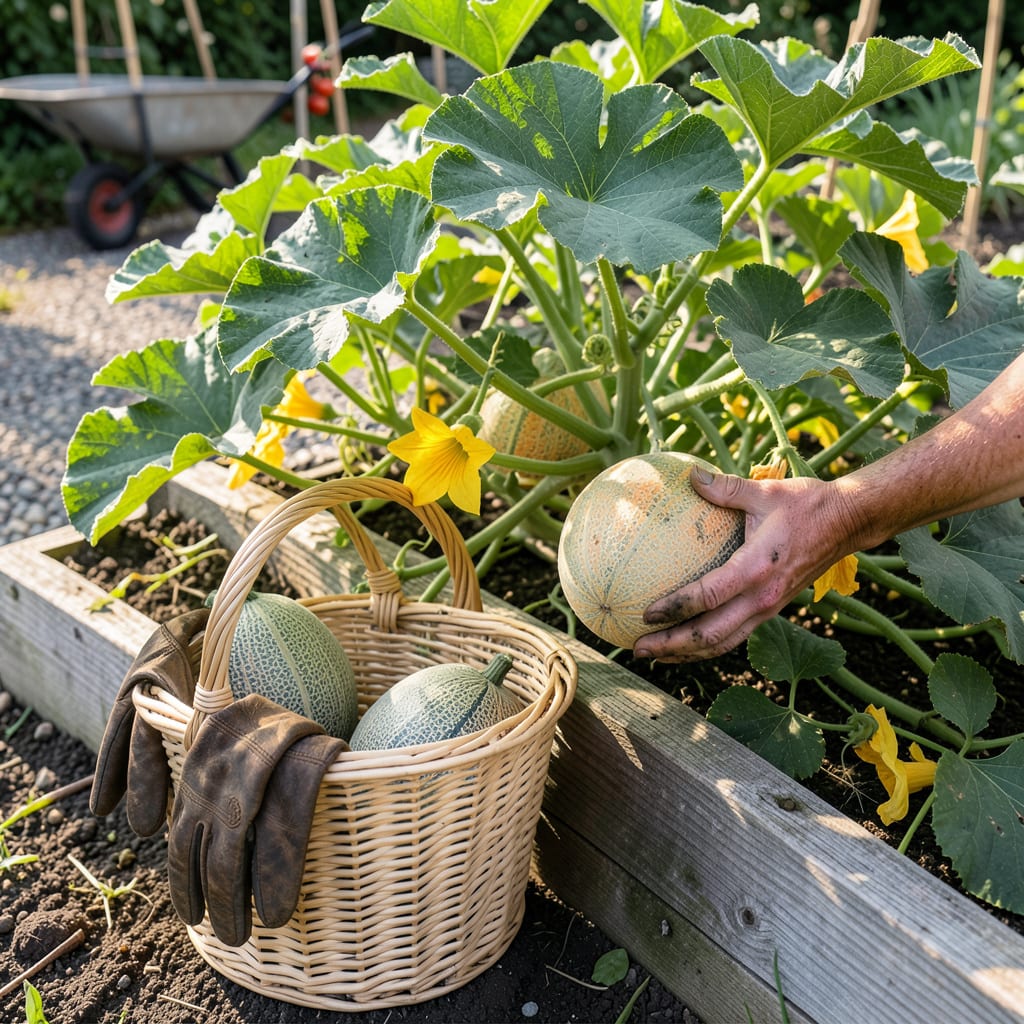
There’s nothing quite like biting into a perfectly ripe 🍈 cantaloupe—juicy, sweet, and bursting with flavor. But timing is everything when it comes to harvesting. Pick too soon, and you’ll get a bland, underwhelming bite; wait too long, and the texture turns mushy.
I’ve learned the hard way that cantaloupes don’t ripen much after picking, so getting it right in the garden is crucial. Let me show you the 3 simple signs to look for—no guesswork, just sweet, sun-ripened perfection every time.


After months of tending your cantaloupe vines, the moment of truth arrives: deciding when to harvest. Unlike store-bought melons, homegrown cantaloupes won’t ripen further once picked, so timing is everything. I’ve learned the hard way that guessing leads to disappointment—either rock-hard fruit or overripe mush.
The secret lies in three foolproof signs: stem slippage, rind color, and fragrance. These aren’t just old wives’ tales—they’re backed by the way cantaloupes naturally signal ripeness. Let’s break down each one so you can harvest with confidence. 🍈
Gently twist the cantaloupe—if it detaches with minimal effort, it’s ripe. This “full slip” stage means the fruit has naturally released from the vine. Avoid pulling; let gravity do the work.
Watch for the underside color to shift from green to a buttery tan. The webbing (netting) also becomes more pronounced. Pro tip: Check the spot where the melon rests on the soil—it should turn yellowish.
A ripe cantaloupe perfumes the air with a musky, sweet scent. If you don’t smell anything, it’s not ready. Sniff the blossom end (opposite the stem)—this is where the fragrance is strongest.
I always double-check by pressing the blossom end—it should yield slightly, like a ripe avocado. If it’s rock-hard, give it more time. If it’s too soft, you’ve waited too long. Remember, size isn’t everything; a smaller melon can be sweeter than a giant unripe one.
Climate plays a role too. In hotter regions, cantaloupes may ripen 5–7 days faster than the seed packet suggests. Cool, cloudy weather can delay ripening by a week or more. When in doubt, use the stem slip test—it’s the most reliable indicator.
Here’s a trick I swear by: Mark your calendar when flowers appear. Most cantaloupes need 35–45 days from flowering to harvest. Combine this timeline with the three signs above, and you’ll never guess wrong again. Trust me, your taste buds will thank you!
If you’re growing multiple varieties, note that heirloom cantaloupes often ripen unevenly, while hybrids tend to mature all at once. I once lost half my crop by assuming all fruits would be ready simultaneously—now I check each one individually.
Don’t forget to harvest in the early morning when temperatures are cool. This helps preserve the melon’s sugar content and crispness. Use clean pruners to cut the stem if it doesn’t slip easily, leaving about 1 inch of stem attached to prevent rot.
Finally, resist the urge to “help” the process by twisting unripe melons. Forcing them off the vine damages the plant and ruins the fruit. Patience is key—your perfectly ripe cantaloupe is worth the wait! 🌱
Timing is everything when harvesting cantaloupe. Picking too soon means you’ll miss out on that sweet, juicy flavor we all love. The fruit won’t ripen properly off the vine, leaving you with a bland, underwhelming taste. Trust me, I’ve been there!
On the flip side, waiting too long can turn your perfect melon into a mushy, overripe mess. The sugars break down, and the texture becomes grainy. It’s a delicate balance, but once you know the signs, you’ll nail it every time.
| Timing | Flavor Impact | Texture | Storage Life |
|---|---|---|---|
| Too Early | Bland, lacks sweetness | Firm, underripe | Short (3-5 days) |
| Just Right | Sweet, aromatic | Firm but yields slightly | Long (7-10 days) |
| Too Late | Overly sweet, fermented | Mushy, grainy | Very short (1-2 days) |
If you’ve picked a cantaloupe too early, don’t panic! Place it in a paper bag with a ripe banana or apple. The ethylene gas they release can help it ripen slightly—but it won’t be as sweet as vine-ripened.
For overripe cantaloupe, your best bet is to use it quickly. Cut it up and freeze the chunks for smoothies. While the texture won’t be ideal for fresh eating, the flavor can still shine in blended recipes.
Remember, days to maturity (usually 75-85 days) are just a guideline. Weather, soil, and variety all play a role. When in doubt, rely on the stem slip test and fragrance—they’re foolproof!
I’ve found that morning harvesting gives the best results. The fruit is crisp, and the sugars are at their peak after a cool night. Plus, it’s a great way to start the day with a taste of your hard work!
Next time you’re unsure, give the rind a gentle press near the blossom end. If it gives just a little, like a ripe avocado, you’re golden. Happy harvesting!
Once you’ve harvested your cantaloupe, how you store it can make or break its flavor and shelf life. I’ve found that room temperature is ideal for ripening underripe fruit, while refrigeration preserves perfectly ripe melons. The key is knowing which stage your cantaloupe is in when you pick it.
If your cantaloupe was harvested a bit early, place it in a paper bag at room temperature for 1-2 days. This traps ethylene gas, which speeds up ripening naturally. Avoid plastic bags—they can cause moisture buildup and spoilage. Check daily for that telltale sweet aroma near the stem.
💡 Pro Storage Tips
Avoid washing until ready to eat—moisture speeds up decay!
For fully ripe cantaloupes, I recommend wrapping them loosely in cloth or paper towels before refrigerating. This absorbs excess moisture while allowing airflow. Never stack melons—they bruise easily! If you notice soft spots or an off smell, it’s time to compost that fruit.
Did you know cantaloupes continue to ripen after picking, but sugar content stops increasing? That’s why timing the harvest is critical. If you must store them long-term, cool temperatures (around 45°F) slow decay without sacrificing texture. Just bring them back to room temp before eating for the best flavor!
Finally, if you’ve got a bumper crop, share the wealth! Cantaloupes don’t improve after picking, so enjoy them fresh. I like to label harvest dates with a marker to track freshness. Trust me, nothing beats the taste of a vine-ripened melon eaten within days of picking. 🍈🌿
Check for three key signs: the stem should slip easily from the vine, the rind should turn from green to a creamy tan, and you’ll smell a strong, sweet fragrance. Press gently near the blossom end—it should give slightly, like a ripe avocado.
Pick in the early morning when temperatures are cool. The fruit is crispest, sugars are most concentrated, and the vine is fully hydrated. Avoid midday heat, which can stress the plant and shorten shelf life.
It won’t get sweeter, but you can soften it slightly. Place it in a paper bag with a banana or apple for 1-2 days at room temperature. The ethylene gas helps ripen the texture, but flavor depends on vine maturity.
At room temperature, a ripe melon lasts 2-3 days. Refrigerated, it stays fresh for 5-7 days. Cut cantaloupe should be eaten within 3 days when stored in an airtight container.
This usually happens due to inconsistent watering or poor soil nutrients during growth. Cantaloupes need steady moisture and high-phosphorus fertilizer for sweetness. Hot, dry weather can also reduce sugar content.
