
Beautiful Plants For Your Interior
Beautiful Plants For Your Interior
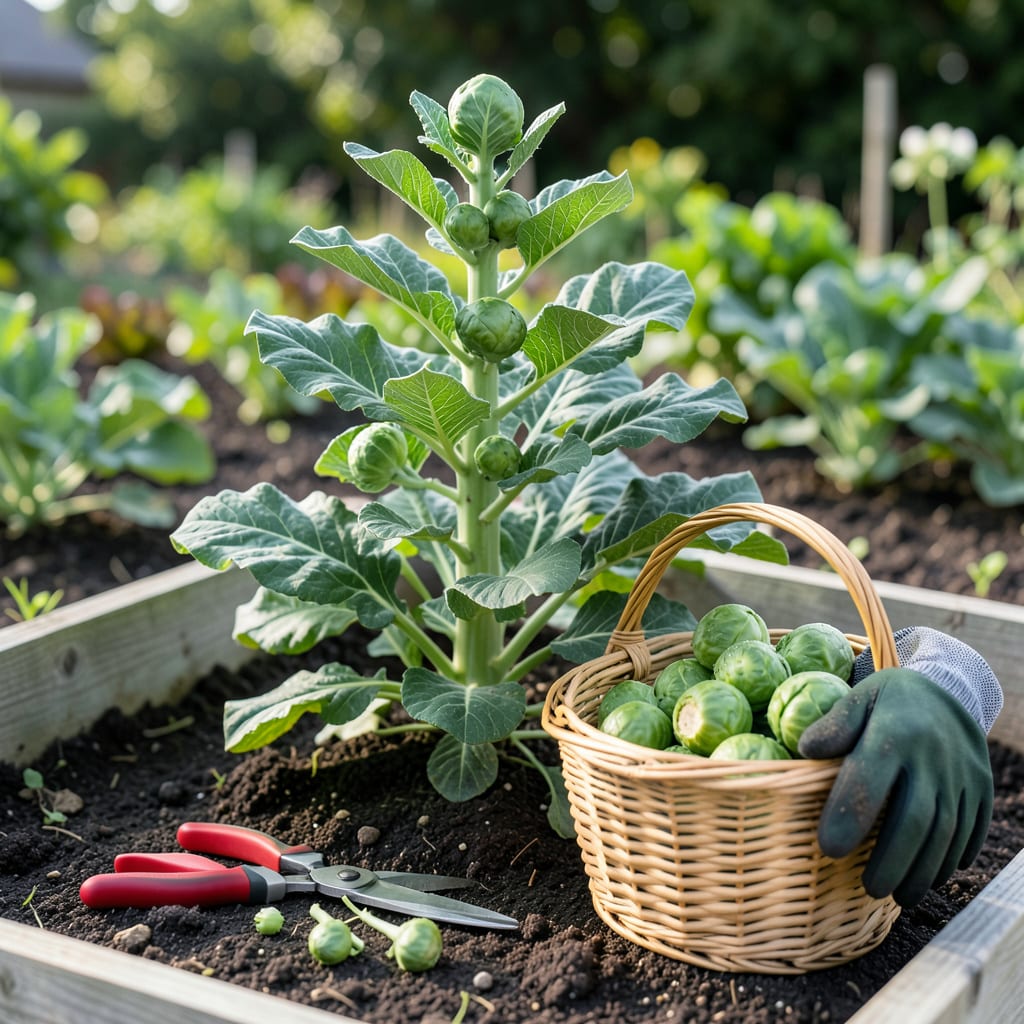
Nothing ruins a homegrown harvest faster than picking your Brussels sprouts too early—or too late. Those tiny green buds can go from sweet and crisp to bitter and woody in what feels like overnight.
I’ve learned the hard way that timing is everything with these finicky plants. Whether you’re a first-time grower or just want to refine your technique, I’ll show you the foolproof signs to watch for—and when to make your move. Let’s get this harvest right.


Timing is everything when harvesting Brussel sprouts. Picking too early gives you tiny, underdeveloped sprouts, while waiting too long leads to bitter, woody textures. I’ve found the sweet spot is when sprouts reach 1–2 inches in diameter and feel firm to the touch. 🪴
Don’t just rely on size—look for visual cues too. The lower leaves of your plant should start yellowing and wilting, signaling that energy is shifting to the sprouts. This is nature’s way of telling you it’s time to start checking for readiness. ✂️
| Readiness Sign | What to Look For | Why It Matters |
|---|---|---|
| Sprout Size | 1–2 inches in diameter | Ensures tender texture and optimal flavor |
| Firmness | Feels dense and solid | Soft sprouts are underripe; hard ones are overmature |
| Leaf Color | Lower leaves yellow | Plant is redirecting nutrients to sprouts |
| Stalk Snap | Stem breaks cleanly when bent | Indicates full maturity and easy harvest |
| Days to Maturity | 90–120 days from planting | Helps track progress if visual cues are subtle |
One mistake I see gardeners make is waiting for all sprouts to mature at once. Brussel sprouts grow from the bottom up, so start harvesting the lowest, largest sprouts first. This encourages the plant to focus energy on the upper sprouts, extending your harvest window. ⏰
If you’re unsure, do the thumb test: gently press a sprout. It should feel like a firm grape, not a squishy pea or a rock-hard marble. Sprouts that are too soft lack flavor, while overly hard ones turn bitter. Trust your instincts—your fingers know best! 🌱
Watch the weather too. A light frost can actually sweeten your sprouts by converting starches to sugars. But a hard freeze (below 25°F) can damage them. If frost is forecasted, harvest mature sprouts first or cover plants with frost cloth. ☀️
Color is another telltale sign. Ready sprouts are bright green with tight leaves. If they start turning yellowish or gray, they’re past their prime. Similarly, if the leaves begin to open or loosen, harvest immediately—they’ll turn bitter fast. ✅
For those growing in warmer climates, keep an eye out for bolting (when the plant shoots up a flower stalk). This happens if temps exceed 80°F consistently. Harvest all sprouts at once if you see this—they won’t improve further. 🌡️
Pro tip: Use sharp pruners or scissors to avoid tearing the stalk. Cut just above the sprout, leaving a small stem attached. This prevents damage to the plant and reduces the risk of disease. I like to harvest in the early morning when sprouts are crispest. ✂️
After picking, give your plant a boost of compost tea to encourage the remaining sprouts. If you’ve harvested the lower third, your plant still has weeks of production left! With these signs in mind, you’ll enjoy the sweetest, most tender Brussel sprouts of the season. 🌿
Timing your Brussels sprouts harvest isn’t just about watching the calendar—it’s about understanding how your local climate and growing zone influence maturity. In my zone 6 garden, I start checking plants around 90 days after transplanting, but colder zones may need extra weeks.
What surprises most gardeners is how frost actually sweetens these little greens. A light frost can turn bitter sprouts into candy-like bites, but hard freezes (below 25°F) risk damage. Let’s break down the ideal windows by region so you don’t miss your peak harvest.
| USDA Zone | Planting Window | Harvest Start | Frost Impact |
|---|---|---|---|
| Zones 3-5 | May-June | Sept-Oct | Enhances sweetness |
| Zones 6-7 | March-April | June-Oct | Ideal for flavor |
| Zones 8-10 | Sept-Oct | Dec-Feb | Minimal frost risk |
*Days to maturity: 90-120 days from transplant. Adjust for direct sowing (+2 weeks).
If you’re in cooler zones (3-5), don’t rush—your sprouts may take up to 120 days to mature. I’ve found that Pacific Northwest gardeners often harvest into November thanks to mild winters, while Midwest growers should aim to finish before hard freezes hit.
For warmer zones (8-10), timing shifts dramatically. Plant in fall to avoid bolting in heat, and expect harvests from winter to early spring. Pro tip: Use shade cloth if temps creep above 75°F to prevent bitterness.
No matter your zone, always check the lower sprouts firstgentle twist-and-pull method: if the sprout resists, it’s not ready. And remember, size isn’t everything—a 1-inch firm sprout beats a 2-inch soft one every time.
After your first harvest, the plant keeps producing upward. I’ve stretched my season by 3 weeks just by picking selectively and protecting plants with row covers during cold snaps. Store harvested sprouts in the fridge (unwashed) for up to 10 days, or blanch and freeze for longer keeping.
Watch for yellowing leaves at the base—that’s your plant’s way of saying, “The lower sprouts are ready!” But if leaves turn brown and crispy, you’ve waited too long. Trust me, bitter sprouts are a sad reward for patience pushed too far.
🌱Want to enjoy fresh Brussels sprouts for weeks instead of days? With a few smart techniques, you can stretch your harvest window and even improve flavor along the way. I’ve used these tricks to keep my plants producing long after neighbors have pulled theirs. 🌱
The secret starts with selective harvesting. Instead of stripping the plant all at once, pick only the lowest mature sprouts first. This signals the plant to redirect energy upward, giving you a rolling harvest for up to 6 weeks. Always leave the top buds—they’ll keep growing!
Bonus: Store picked sprouts in the fridge unwashed in a perforated bag for up to 10 days.
Here’s a game-changer: frost-kissed sprouts taste entirely different. After a light frost, their flavor becomes nuttier and sweeter, almost like a different vegetable. But don’t let temps drop below 25°F—cover plants with frost cloth if harder freezes threaten. I’ve left sprouts on the stalk until Thanksgiving in my zone 6 garden! ☀️
For storage and preservation, timing matters too. Harvest sprouts in the early morning when they’re most crisp, then refrigerate immediately. To freeze, blanch for 3–4 minutes, cool in ice water, and pat dry before bagging. This locks in that garden-fresh texture for months. ✂️
If your plant starts to bolt (shoot up a flower stalk), harvest all remaining sprouts at once—they won’t improve further. This often happens in warm spells or if you planted too late. To prevent it, keep soil consistently moist and provide afternoon shade in hotter zones. 💧
Wait until they reach at least 1 inch in diameter. Anything smaller lacks flavor and texture. Check the firmness too—immature sprouts feel soft like a grape, while ready ones are dense like a marble.
Avoid harvesting after temps drop below 25°F. Light frost sweetens sprouts, but hard freezes damage cell walls, making them mushy. Cover plants with frost cloth if extreme cold is forecasted.
Harvest in the early morning when sprouts are most crisp and hydrated. Avoid midday heat, which can cause wilting. Use sharp scissors to cut stems cleanly, leaving ½ inch attached.
This happens when left too long on the stalk. Open sprouts turn bitter quickly. Harvest immediately if leaves start to loosen. Warmer temps (above 80°F) speed up this process.
Pick only the lowest mature sprouts first, working upward. This encourages the plant to keep producing for 4-6 weeks. Protect plants from extreme cold with row covers to extend further.
