
Beautiful Plants For Your Interior
Beautiful Plants For Your Interior
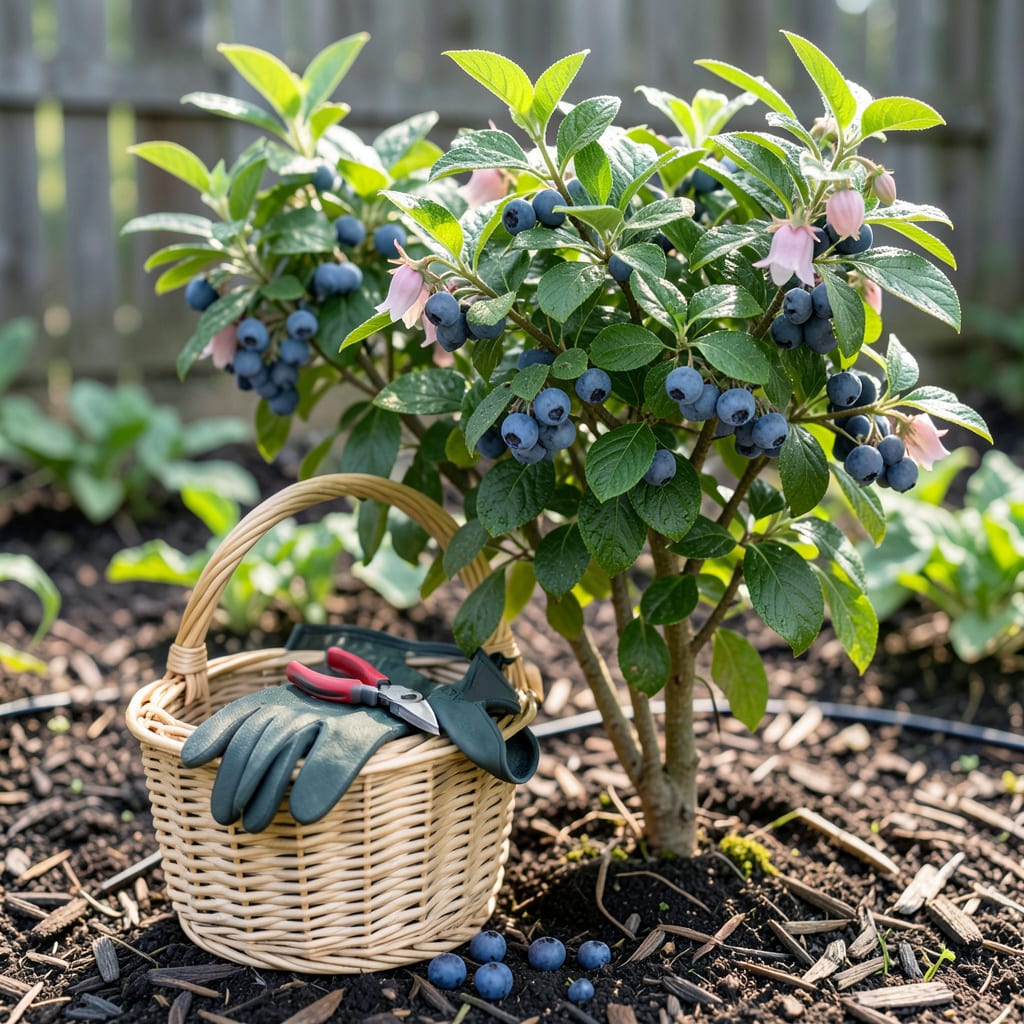
That moment when you pluck a blueberry and it practically jumps into your hand—perfectly ripe, bursting with sweetness—is what every grower dreams of. But timing that pick? That’s where even seasoned gardeners second-guess themselves.
I’ve stood in front of blueberry bushes wondering: Is today the day? The difference between a tart disappointment and a summer’s worth of jam-worthy berries comes down to a few key signs. Let’s cut through the guesswork so you know exactly when to harvest.


Standing in front of a blueberry bush, I used to think deep blue color was the only sign of ripeness. Wrong! After years of trial and error (and a few tart disappointments), I’ve learned that texture, aroma, and detachment matter just as much. Here’s how to spot the perfect moment.
Blueberries won’t ripen after picking, so timing is critical. A fully ripe berry should roll off the stem with a gentle tug—no yanking required. If it resists, leave it for another day. And forget the old “squeeze test”; you’ll crush the fruit. Instead, look for these subtle clues.
Early-season varieties like ‘Duke’ or ‘Earliblue’ often ripen in late June, while late-season types (think ‘Elliott’) may hold off until August or September. Your USDA zone plays a role too—cooler climates delay ripening by 1–2 weeks.
Here’s a pro trick: Sample a few berries from different parts of the bush. If they’re uniformly sweet with no tart aftertaste, it’s go time. But if they’re still slightly sour, wait 2–3 days and test again. Patience pays off with juicier, sweeter fruit.
Morning is the best time to pick. Berries are plump from overnight hydration, and cooler temps reduce wilting. Bring a shallow container (like a basket or tray) to avoid crushing layers. And don’t wash them until you’re ready to eat—moisture speeds up spoilage.
Wild blueberries often ripen earlier than cultivated varieties, sometimes by 2–3 weeks. If you’re foraging, check low-bush types in early July and high-bush in mid-to-late July. Always leave some for wildlife—it’s good karma and ensures future harvests.
Overripe berries turn dull in color and soft to the touch. They’re still edible but won’t store well. If you spot split skins, heavy rain or irregular watering is likely the culprit. Adjust your irrigation schedule to keep soil consistently moist but not soggy.
For container-grown blueberries, ripening may come a week earlier due to warmer root zones. Keep pots in partial shade during heatwaves to prevent stress. And if birds are stealing your harvest, drape fine netting over bushes—just secure it loosely to avoid damaging branches.
Remember: Blueberries ripen in stages. You’ll likely harvest from the same bush over 2–3 weeks. Check plants every 2–3 days during peak season to catch berries at their prime. And if you’re freezing extras, spread them on a tray first to prevent clumping.
With these tips, you’ll never again wonder, “Are they ready?” Your taste buds—and your blueberry pancakes—will thank you. Now grab a bucket and get picking! 🪴
If you’ve ever wondered why your neighbor’s blueberries ripen weeks before yours, the answer likely boils down to variety and climate. Not all blueberries follow the same schedule—some are early risers, while others take their sweet time. Let’s break down the timelines so you’re never caught off guard.
Your USDA hardiness zone plays a huge role in harvest timing. In cooler zones (3–5), blueberries often ripen later, while warmer zones (7–9) see earlier harvests. Even within the same garden, microclimates can create a 2-week difference between sun-drenched spots and shadier areas.
Early-season varieties like ‘Duke’ or ‘Spartan’ kick off the harvest in late June to early July, while late-season stars like ‘Elliott’ or ‘Aurora’ can stretch into September. If you’re in a hot, humid climate, watch for split berries after heavy rains.
A sudden heatwave can rush ripening, sometimes compressing your harvest window to just 5–7 days. Conversely, a cool, wet spring might delay things by 10–14 days. I’ve seen bushes in full sun ripen a full week ahead of those in partial shade—so scout your plants daily once they start coloring up.
For container-grown blueberries, expect ripening 7–10 days earlier than in-ground plants. The confined roots warm up faster, speeding up maturity. Just be sure to move pots to shade during extreme heat to prevent stress. And if you’re growing organic blueberries, they may ripen slightly later due to slower nutrient uptake.
Wild blueberries (like Vaccinium angustifolium) often ripen 2–3 weeks earlier than cultivated types. If you’re foraging, start checking low-bush varieties in late June and high-bush by mid-July. Always sample a few berries—wild ones can vary in sweetness even on the same plant.
Pro tip: Keep a harvest journal noting first/last pick dates each year. Over time, you’ll spot patterns and adjust for weather anomalies. And if birds are raiding your crop, install reflective tape or netting just as berries turn blue—not before, or you’ll trap pollinators. 🌿
Even the most experienced gardeners can sabotage their blueberry harvest without realizing it. I’ve made every mistake in the book—from picking too early to letting birds feast first. Let’s fix these common blunders so you get the sweetest, plumpest berries every time.
The biggest error? Harvesting too soon. Impatience leads to tart, underripe berries that won’t sweeten later. Blueberries don’t ripen off the bush, so if they’re not fully blue and slightly soft, leave them be. Wait for that deep indigo hue and gentle give when pressed.
Another critical mistake? Waiting too long to harvest. Overripe blueberries turn mushy and split, attracting pests. Check bushes every 2–3 days during peak season. If berries feel soft or leak juice, they’re past their prime—use them immediately for jams or smoothies.
Forgetting to test for sweetness is a rookie move. Sample a few berries from different branches. If they’re uniformly sweet with no tartness, start picking. If not, wait another day or two. I like to taste-test from the top, middle, and bottom of the bush since sun exposure varies.
Finally, harvesting during rain leads to waterlogged, split berries. Wait for dry weather, and if rain’s forecasted, pick early. Use scissors or pruners to snip clusters instead of pulling—this prevents damaging the bush and ensures next year’s crop. Happy picking! 🪴
Inspect your plants every 2–3 days once berries start turning blue. Blueberries ripen in stages, so frequent checks ensure you catch them at peak sweetness. Morning is ideal—berries are firmer and easier to assess.
Color alone doesn’t guarantee sweetness! If berries look ripe but taste sour, they need 1–2 more days on the bush. Check for a sweet aroma at the stem and gentle give when pressed. Patience pays off.
Avoid harvesting during or immediately after rain. Wet berries are prone to splitting and mold. Wait for dry weather, or pick early if rain’s forecasted. Use scissors to snip clusters—this prevents damage to waterlogged fruit.
Skip washing until ready to eat—moisture speeds up spoilage. Store in shallow containers (like trays) in the fridge for up to 10 days. For longer storage, freeze on a tray first to prevent clumping, then transfer to bags.
Yes! Wild low-bush varieties often ripen 2–3 weeks ahead of cultivated high-bush types. Start scouting wild patches in late June, while farmed bushes typically peak in July–August. Always sample a few to confirm sweetness.
