
Beautiful Plants For Your Interior
Beautiful Plants For Your Interior
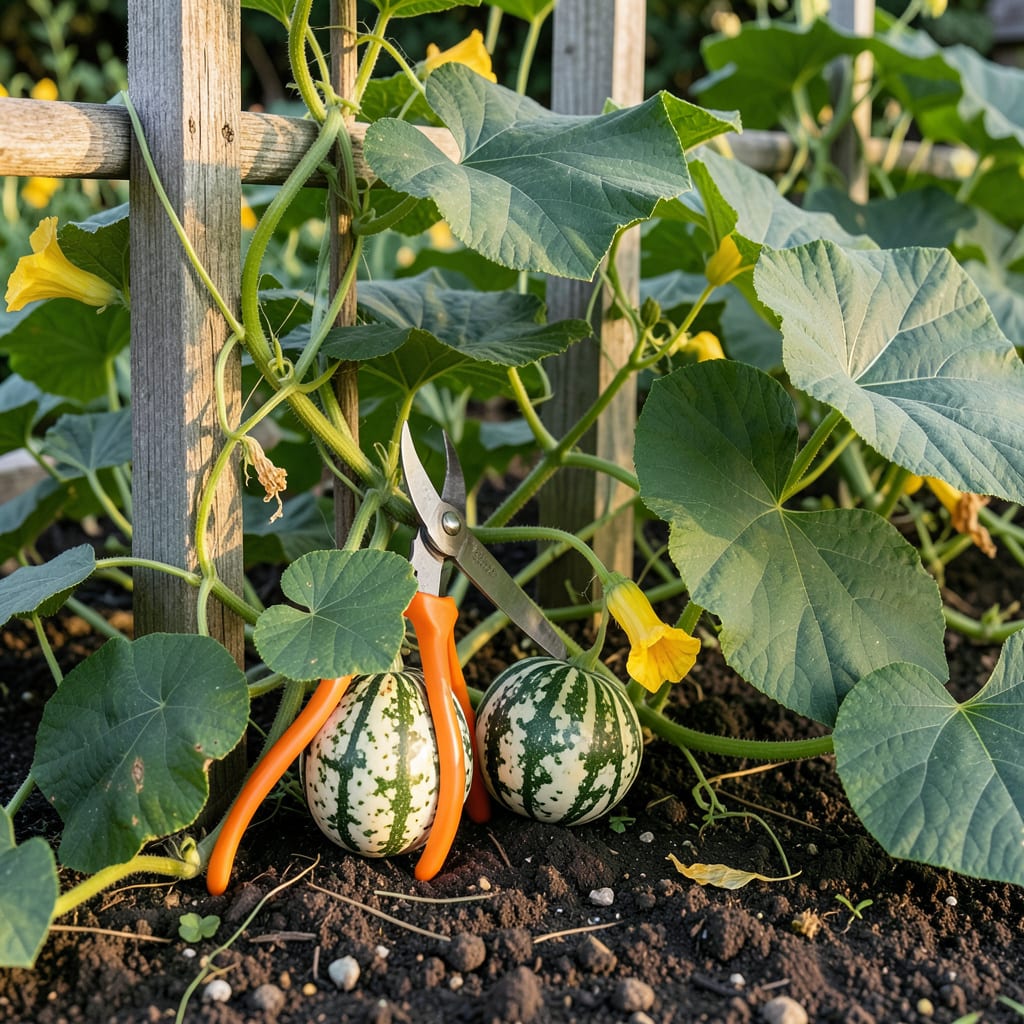
Timing your harvest can make or break your birdhouse gourd project. Picking too soon leaves you with soft, unusable fruits, while waiting too long risks splitting.
With the 🎃 Birdhouse Gourd, perfect timing means the difference between crafting durable birdhouses and ending up with a pile of compost. I’ll show you the key signs to watch for.


I always check for visual cues first when deciding if my birdhouse gourds are ready. The most obvious sign is the color change from green to a pale tan or yellow. This shift means the gourd is maturing inside too.
Next, I feel the rind texture. A mature gourd will have a hard, woody shell that resists puncturing with a fingernail. If it dents easily, it’s not ready yet.
| Sign | Description |
|---|---|
| Color Change | Shell turns pale tan or yellow |
| Hard Rind | Fingernail cannot puncture the surface |
| Dry Stem | Stem turns brown and brittle |
| Hollow Sound | Makes a hollow thud when tapped |
The stem condition is another critical clue. When the stem near the gourd turns brown and dry, it signals the plant has stopped feeding it. A green stem means it’s still growing.
I also listen for the sound test. Tap the gourd lightly—if it makes a hollow thud, it’s likely mature. A dull sound means it needs more time on the vine.
Size matters too. Most birdhouse gourds reach 6-12 inches long at maturity. Measure a few to confirm they’ve hit their expected size for your variety.
The vine itself gives hints. When the vine begins to die back and leaves turn yellow, the gourds are usually ready. This often happens in late summer or early fall.
Weight is a subtle but useful indicator. A mature gourd feels lighter for its size because the moisture content decreases as it ripens. Compare a few to notice the difference.
Finally, I check the surface texture. A ready gourd often develops a slightly rough or bumpy exterior. Smooth skin can indicate it’s not fully mature yet.
Remember, these signs work together. I never rely on just one indicator. Combining color, texture, sound, and stem condition gives the most accurate reading for perfect harvest timing. 🌱
I’ve seen many gardeners rush to harvest their birdhouse gourds too early, only to find them rotting before they can dry. Immature gourds often have soft shells and won’t cure properly for crafting.
On the flip side, leaving them on the vine too long can lead to overripe gourds that split or become vulnerable to pests. Timing is everything with these unique plants.
⚠️ Avoid These Harvesting Pitfalls
Harvesting too early results in soft, unusable gourds. Waiting too long risks splitting or pest damage. Always use clean, sharp tools to prevent crushing the stem.
Another common mistake is cutting the gourd instead of twisting it off the vine. This can damage the stem and reduce its drying potential. I always use pruning shears and leave a few inches of stem attached.
Don’t forget to check the vine’s condition too. If the vine is still green and healthy, your gourds might not be ready. A dying back vine is a natural sign that harvest time is near.
Also, avoid harvesting during wet weather or when the gourds have morning dew. Excess moisture can lead to mold growth during the curing process, ruining your hard work.
Finally, handle your gourds with care. Rough handling can cause bruising or cracks, which will affect their durability for crafting. I always place them in a single layer in a well-ventilated area to start the drying process.
✂️Once you’ve picked your birdhouse gourds, the curing process begins. I always start by gently cleaning the surface with a damp cloth to remove dirt. This prevents mold during drying. Never soak them, as excess moisture can ruin the hardening process. ✂️
Next, place your gourds in a well-ventilated area away from direct sunlight. I prefer a covered porch or garage. Space them out to allow air circulation, which is crucial for even drying. This stage typically takes 2-3 weeks.
After the initial drying, I rotate the gourds weekly to ensure all sides dry evenly. You’ll notice the shell becoming harder and the color deepening. This is a good sign your gourds are on their way to being craft-ready.
Once fully cured, the gourds should feel lightweight and hollow when shaken. The shell will be hard enough to resist a fingernail scratch. At this point, they’re ready for drilling and carving into birdhouses or other projects.
Store your cured gourds in a cool, dry place until you’re ready to use them. Properly cured gourds can last for years, making them perfect for long-term crafting projects. 🌿
Try pressing your fingernail into the shell. If it resists and doesn’t leave a mark, it’s ready. A soft shell means it needs more time on the vine.
Immature gourds will remain soft and won’t harden properly for crafting. They’re also prone to rotting during the curing process. Always wait for the shell to harden fully.
A light frost won’t harm mature gourds, but a hard freeze can damage them. Harvest before the first frost if possible, or check for hard shells and dry stems afterward.
No, they mature at different rates. Check each one individually for signs like a hollow sound when tapped or a brown, dry stem. Harvest as they reach maturity.
